To admire nature, you don’t need to jet off to an exotic destination. The French and European biodiversity has plenty of surprises to dazzle the whole family. This summer, let’s discover our ordinary biodiversity.
What animals can you observe in summer?
A pair of binoculars and a healthy dose of patience may reveal a budding naturalist in you. Here’s our compact selection of animals you can observe during the summer.
Chamois or Isards, masters of the climb
This particularly agile caprine lives in most of France’s mountainous regions. In the Pyrenees, it’s called the Isard. Its exceptional lung and heart endurance allow it to cover about 1,000 meters of elevation gain in a quarter of an hour.
For a hiker, it is not uncommon to glimpse a herd of chamois on a particularly steep slope or along a ridge.
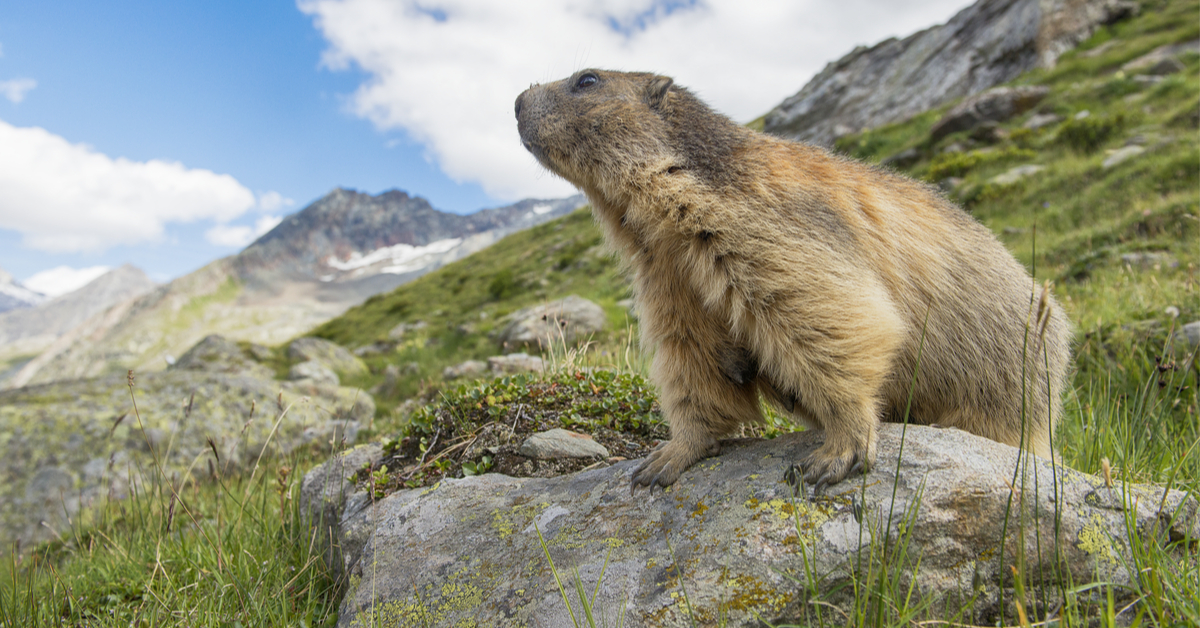
Marmot, the mascot of the alpine pastures
This emblematic rodent is observed not only in the Alps and the Pyrenees, but also in the Massif Central, the Vosges, and the Jura. If it hibernates in winter, you’ll encounter the marmot from April to October on sunny, open slopes where it digs its burrows among scree and rocks.
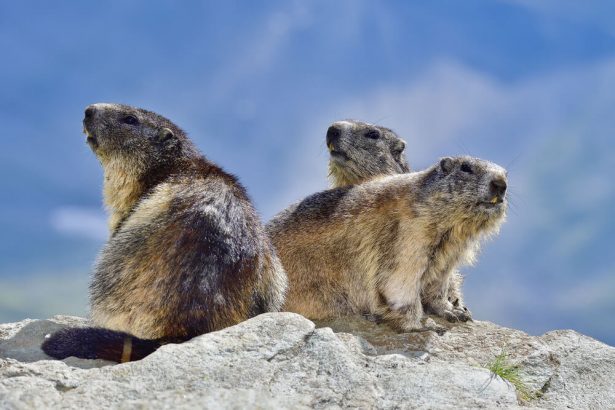
One can detect a colony by the chirps from sentries as an intruder approaches.
On the trail of the ibex
This animal with enormous horns was recently reintroduced to the French mountains. France hosts two species: one derived from populations in Switzerland or Italy, and the Iberian ibex now inhabiting the Ariège Pyrenees.
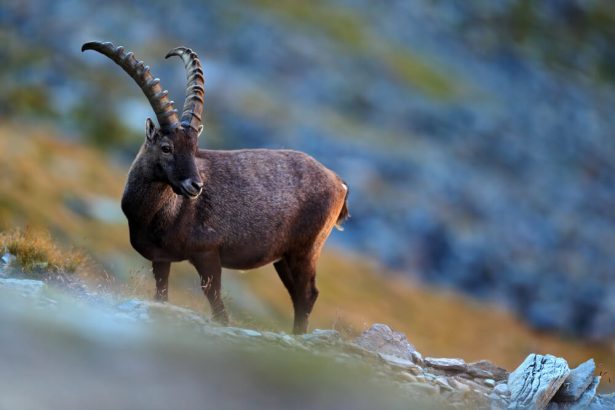
Note that many tourist offices and regional nature parks organize pre-dawn excursions to observe chamois and ibex.
The marsh copper butterfly, fluttering from bloom to bloom
The marsh copper (Lycaena dispar) is a striking day-flying butterfly, famous among enthusiasts for its vivid and distinctive colors. Endangered and protected at the national level, it must be observed without disturbing it!
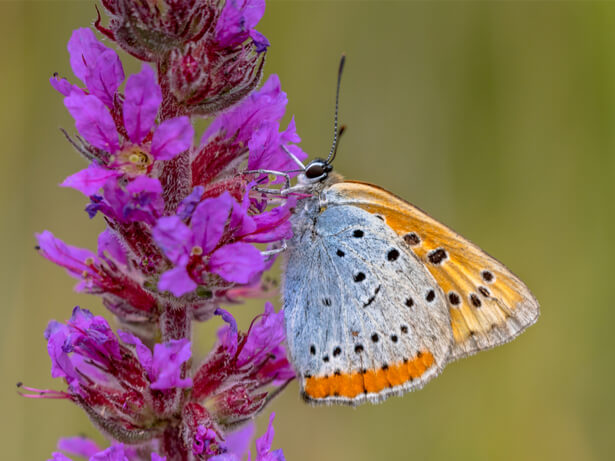
You’ll find it in wetlands (floodplains or along riverbanks), where it nectars from nectar-rich plants such as the “salicaire.”
The flight of the golden eagle
Difficult to spot this protected species. But not impossible. Recognizable by its pale brown plumage and a wingspan of about two meters, the golden eagle nests on inaccessible cliffs and sometimes at treetop level.
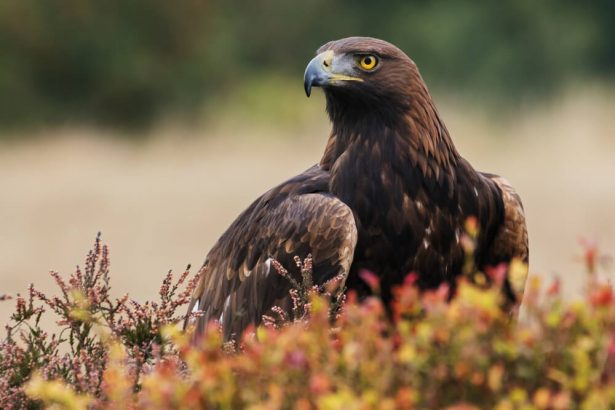
In France, you can observe it in the mountain ranges south of a line running from Biarritz to Annecy.
Bearded vulture, Europe’s largest raptor
Present in the Pyrenees, the species is listed as endangered and has been recently reintroduced in the Alps and the Cévennes. This scavenger is characterized by its rust-orange ventral plumage and the black feathers perched on its beak.
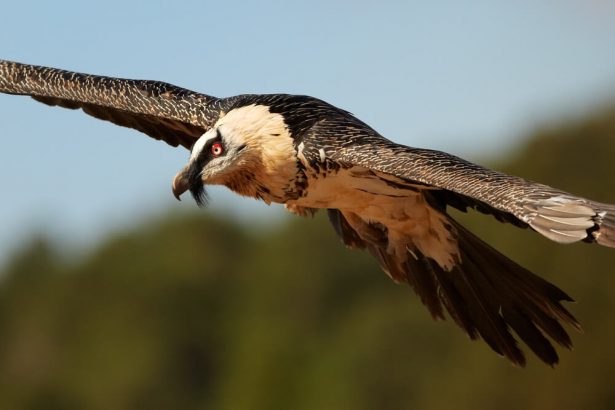
You’ll recognize the bearded vulture when it flies: a slender silhouette, diamond-shaped tail, and tapered wings.
Wild boar, the forest runner
It is the most common mammal in Europe’s forests. Despite its proliferation, it tends to flee from humans who have hunted it since ancient times.
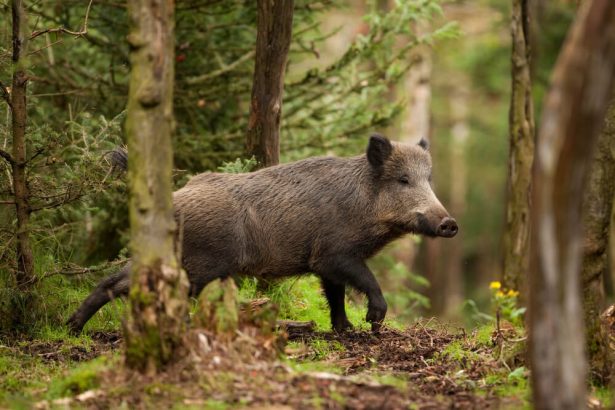
You can still observe wild boars after first spotting their travel routes or feeding areas.
Glowing night bug or lampyrid, the natural lantern
Seeing its glow on a summer evening is always a pleasure! Most often it’s a female perched on a blade of grass or a shrub trying to attract a male with her bioluminescent abdomen.
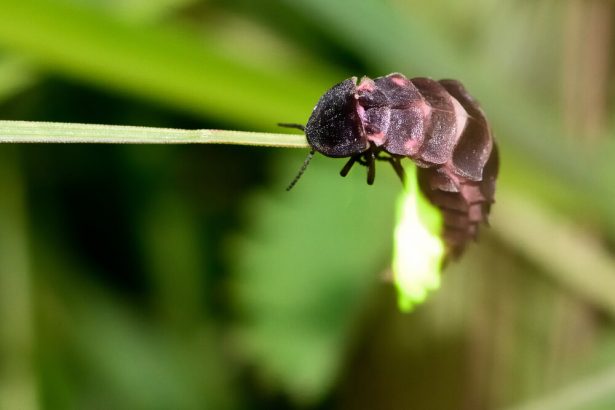
To observe these animals in summer, arm yourself with patience and keep a lookout in the grassy clearings at the edge of woods during those warm, balmy summer nights.
The cry of the bat
France is home to 34 species of bats. Curious little creatures especially helpful for hunting pests harmful to crops and fruit trees. Renovation of buildings, illumination of monuments, and the removal of hollow trees threaten their habitat and hunting grounds today.
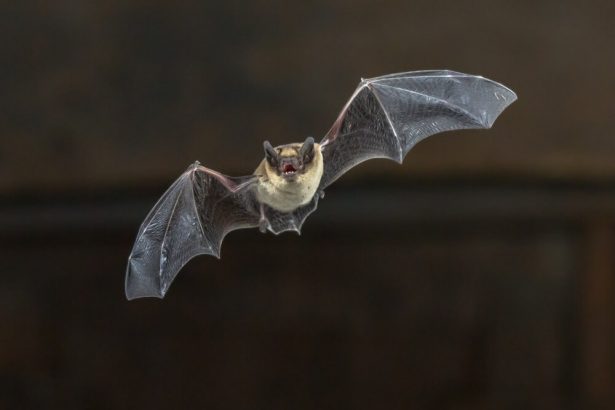
The nights of August 26 and 27, 2023 will host the International Bat Night. Activities will be scheduled in all regions by conservation groups. In particular, there will be nocturnal outings where you can observe and listen to bats using an ultrasonic device.
The duel of the stag beetle or Great Doe
This beetle with massive mandibles has become rarer. Yet, during summer twilight, it’s not unusual to witness aerial battles between males (stag beetles) who compete for a mate (the female).
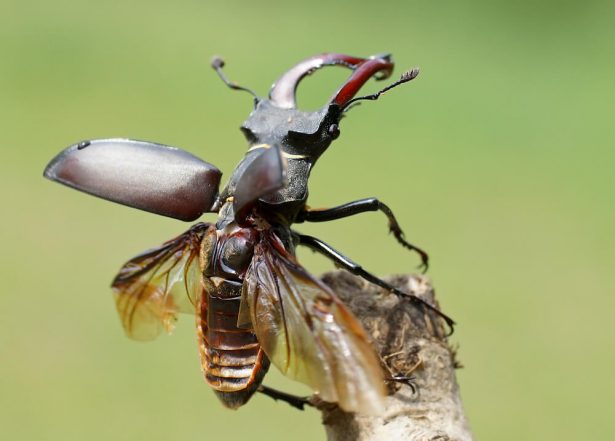
Their whirring is impressive.
Article updated and republished
Banner illustration: Wildlife in nature: rare and exceptional animals © MirasWonderland
- http://www.nuitdelachauvesouris.com/