
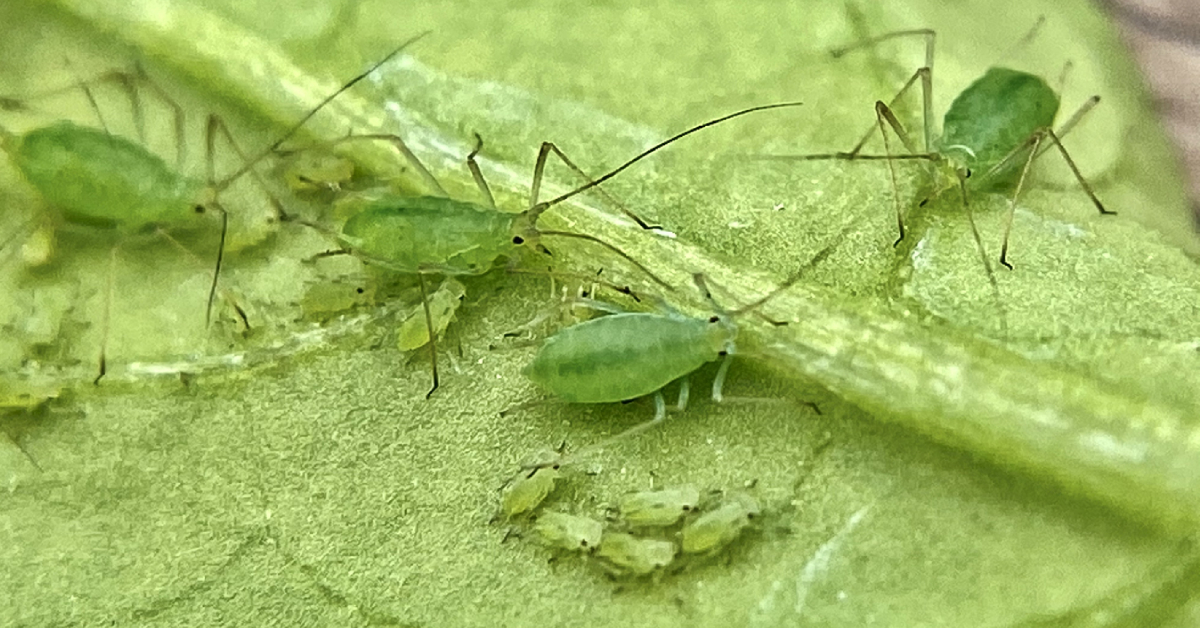
Aphids are well-known parasites to gardeners. While these pests aren’t always troublesome, there are times when it may be necessary to get rid of them, especially since they attract ladybugs, lacewings, and hoverflies. Start the quest for the perfect natural aphid killer!
To avoid insecticides, which are highly polluting and harmful to the environment, your garden, and your health, there are natural tips and recipes that are very effective. Your plants will be free of aphids—black, green, or white—with these very simple tricks, which require only ingredients you can find at home.
A little-known natural aphid repellent: dish soap
Desperate and nothing at hand to fight aphids? Spray directly a bit of dish soap onto the aphids! Use an eco-friendly product that won’t harm your plants or the soil, or make your own.
Garlic for fighting aphids
Garlic is an excellent natural product against aphids. Here is a small garlic-based recipe to try to repel these pests.
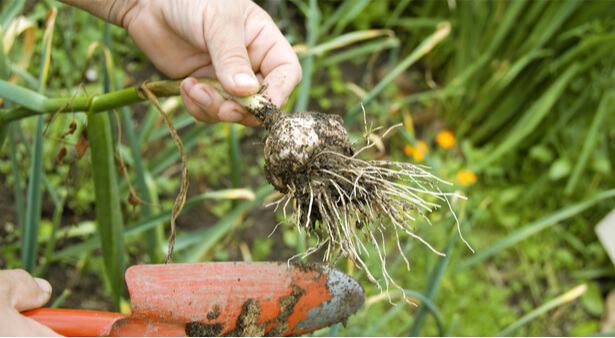
Crush the garlic with a pestle, mix with water. Let it steep for a full day. Strain with a sieve before spraying. The aphids will have disappeared a few days later. You can also add a bit of strong alcohol to the preparation.
Absinthe against aphids
The absinthe is a good natural insect repellent. The plant is fairly easy to grow in a garden. The silvery foliage is aesthetically pleasing and protects roses from pests. You can also use it as a decoction against aphids.
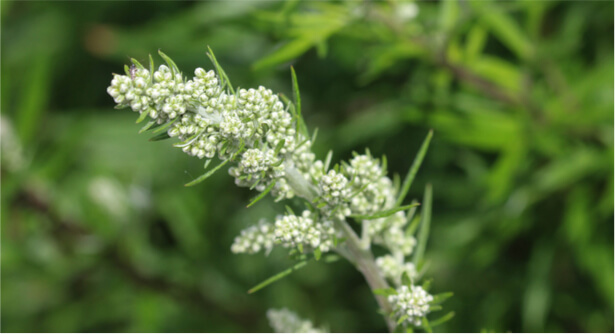
Boil the water and drop the absinthe leaves into it. Let simmer over low heat for 20 minutes. Let cool, strain, and spray the infested areas every three days over a two-week period.
You can also pair absinthe with plant manure tea.
The potash soap, anti-aphid remedy
The potash soap or potassium soap can be sprayed on aphids because it acts by contact. It helps kill larvae and cleans the honeydew that clogs the leaves.
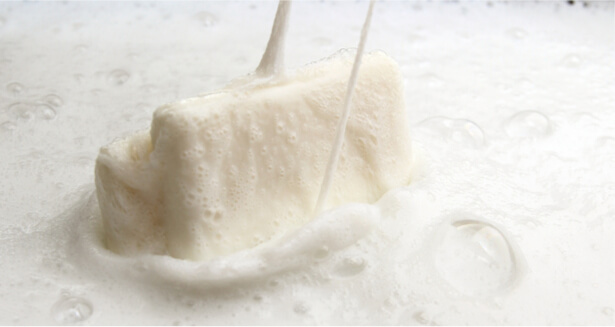
Ingredients:
- 4 to 5 teaspoons of potash soap
- 1 L of warm water
Mix in a spray bottle, shake well, let cool, then spray both the tops and undersides of the affected leaves. Repeat this process once or twice if needed.
The nettle brew to spray on aphids
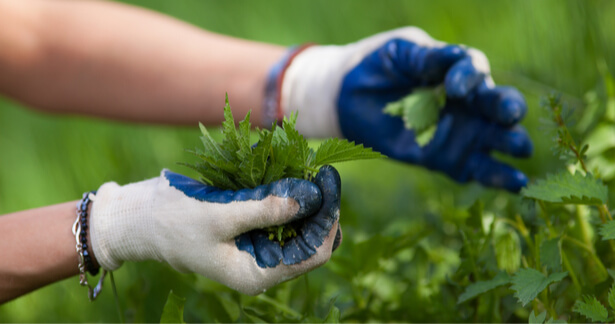
The nettles manure is also an excellent contact insecticide. It’s also a tonic that you spray on plants to make them more resistant to diseases and pests.
Natural pyrethrum against aphids
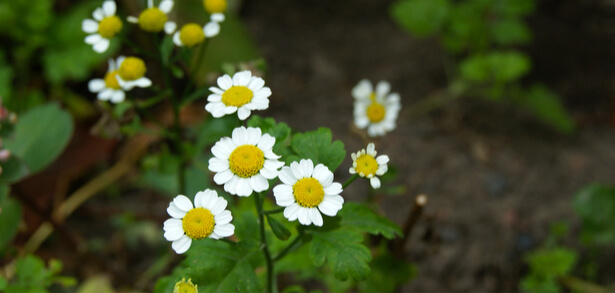
Still among the contact sprays, you’ll find pyrethrum, a cousin of the daisy. It’s a very good natural insecticide, but it also affects pollinators, so use with caution.
Second caveat: it isn’t always easy to find.
In general, use it as a last resort. Favor late-day spraying just after sunset because it breaks down in light.
Make sure to follow the doses on the packaging and, above all, protect yourself with gloves and a mask, as this product is not without danger to the gardener.
A ladybug invasion to fight aphids naturally
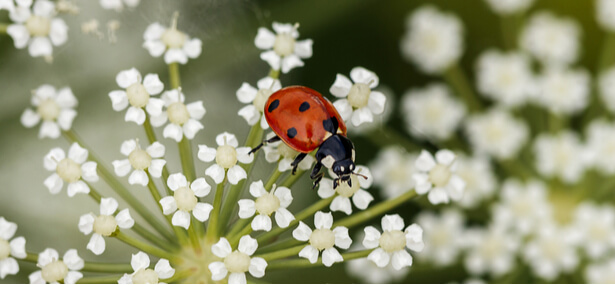
In some cases, for example if you’re dealing with the woolly beech aphid, it may be worthwhile to release ladybird larvae.
Avoid wet periods or very cold weather.
Peppermint, a natural treatment against aphids
It doesn’t get more natural than this! Plus, peppermint is handy in the kitchen. To combat aphids, place peppermint stalks with the leaves near the infested plants.
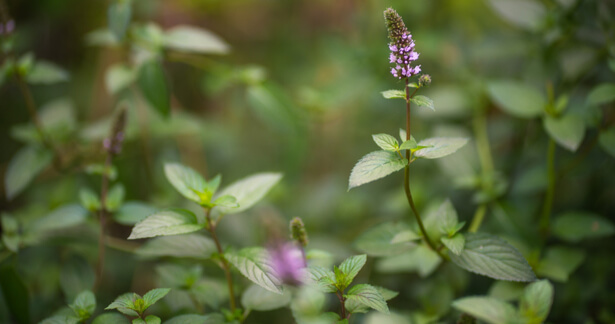
These insects, particularly the black aphids on roses, are repelled by peppermint. Some aphids are drawn to certain types of mint, so you may need to use another trick.
The coffee grounds as a natural repellent
The coffee grounds are particularly effective against aphids. They act as a repellent to ants and aphids. Cats also don’t like them.
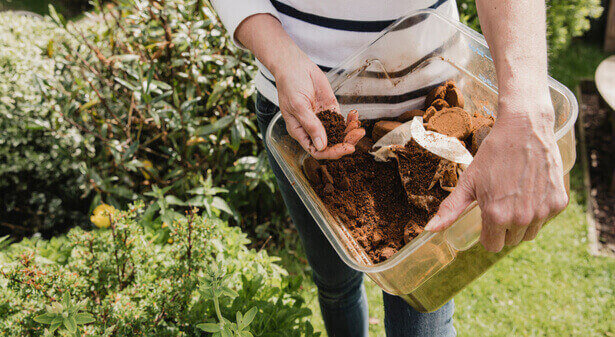
The coffee grounds also act as a repellent against slugs, ants, and snails.
Simply spread used coffee grounds at the base of the infested plants.
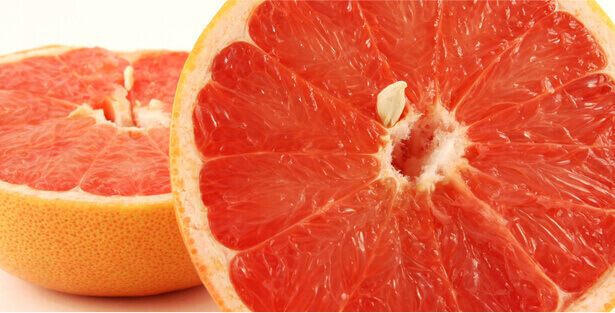
The grapefruit seeds as a natural insecticide
The grapefruit seeds also have insecticidal properties due to their antimicrobial qualities used for our own health. Aphids, however, are less healthy when they’re targeted this way.
Glycol anti-aphid recipe with black soap
Like the potash soap, natural black soap is useful for fighting aphids.

Mix 5 to 6 tablespoons of black soap into 1 liter of warm or hot water. Let cool and spray, including the underside of the leaves.