
Sensation of heavy legs, tingling, swollen ankles, cold feet, or restlessness in the legs… These symptoms can reveal less efficient blood circulation and venous function. With heat, prolonged standing, or sedentary habits, these discomforts become particularly common.
Without replacing medical follow-up when problems persist, certain plants recognized in herbal medicine can help support the venous system and bring lighter legs into daily life.
Why do circulation problems cause heavy legs?
Heavy legs often result from blood having difficulty returning properly to the heart. The veins in the legs must constantly fight against gravity.
Our veins are stretchable and equipped with small valves that normally prevent blood from flowing backward. But with age, heat, inactivity, or genetic predisposition, these valves can become less effective.
Blood then tends to pool in the legs, causing swelling, tingling, itching, or fatigue sensations. This phenomenon may be aggravated after long periods of sitting or standing, but also during hot summer weather.
ConsoGlobe has selected four plants recognized for their vein-toning and vascular-protective properties.
Red grapevine, a traditional ally to blood circulation
Red grapevine (Vitis vinifera) is particularly rich in flavonoids, especially in grape seeds, and in resveratrol found in the skin of red grapes.
These antioxidant substances help protect the walls of blood vessels and contribute to the proper functioning of venous circulation.
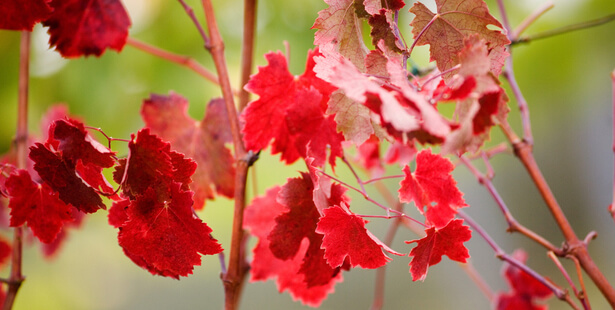
In the 1980s, several studies conducted in France on grape seed extracts rich in OPCs (oligomeric proanthocyanidins) showed interesting effects on symptoms of venous insufficiency and varicose veins.
Red grapevine has also been used since ancient times to promote good blood circulation and help maintain normal blood pressure.
The doses typically used in herbal medicine are:
- 150 to 300 mg per day of grape seed extracts.
- 360 to 720 mg per day of red vine leaf extract.
As a complement, regular walking remains advisable and avoiding overly tight clothing that can hamper venous return.
Butcher’s broom, a natural vein-tonic effective against tired legs
The butcher’s broom (Ruscus aculeatus), also known as butchers’ broom, is a Mediterranean shrub long used to relieve circulatory troubles.
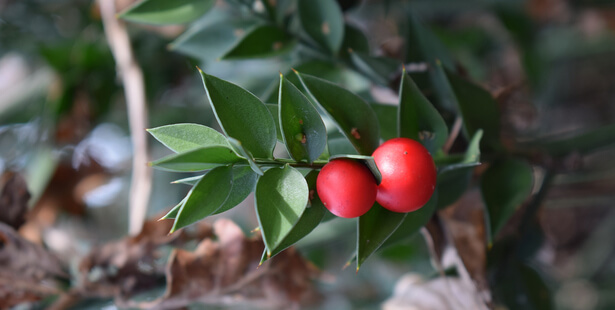
Rich in flavonoids, saponins, and heterosides, butcher’s broom enhances the elasticity of veins and contributes to better venous tone.
It is particularly appreciated for reducing the sensations of tired legs after a day spent standing or after long walks. Butcher’s broom is also traditionally used in the treatment of circulatory disorders: varicose veins, hemorrhoids, venous insufficiency, or swelling sensations.
People prone to heavy legs often favor gels or dietary supplements based on butcher’s broom during hot periods when symptoms tend to worsen.
Blueberries, a berry beneficial for small blood vessels
In cases of circulatory discomfort or a sensation of heavy legs, berries can also provide solid support, notably blueberries.
Its main advantages come from anthocyanosides, natural pigments with antioxidant and vasoprotective properties.
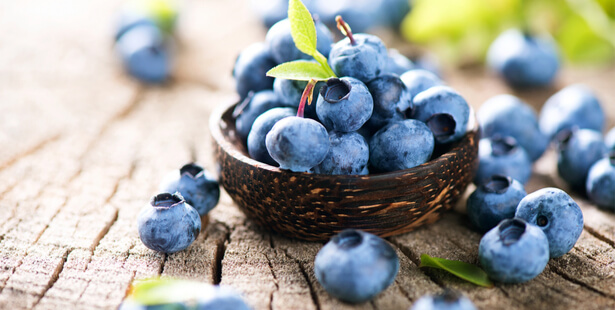
The blueberry also contains vitamins C, A, and B, which help protect the capillaries. It is often recommended to help relieve varicose veins, hemorrhoids, or fragile capillaries.
Another advantage: blueberries are reputed to contribute to better night vision and to reduce glare.
Fresh, frozen, or unsweetened juice, blueberries retain much of their nutritional qualities. In summer, they provide a simple and pleasant way to naturally support blood circulation.
Horse chestnut, a reference against venous insufficiency
The horse chestnut (Aesculus hippocastanum) is among the most well-known plants for relieving venous troubles.
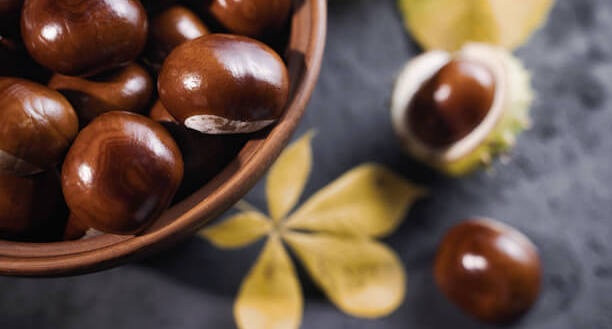
Its seeds contain aescin, a compound that helps strengthen the resistance of vein walls and limit edema.
The horse chestnut also helps reduce inflammation and swelling associated with poor circulation. It is frequently used in dietary supplements or gels to relieve hemorrhoids and symptoms of venous insufficiency.
Its effectiveness has been evaluated in several clinical studies involving thousands of patients. Some herbal medicine specialists even consider its effects comparable to reference treatments or compression stockings.
However, be careful: raw chestnuts should never be eaten as-is. The extracts used in herbal medicine are specifically processed to remove aesculin, a toxic substance.
Some simple habits to naturally improve blood circulation
Vein-tonic plants can provide real relief, but they work best when combined with a few simple daily habits. Regularly walking, avoiding prolonged sitting, slightly elevating the legs in the evening, or finishing a shower with a cool jet on the calves can improve venous return.
During periods of intense heat, it is also advisable to stay well hydrated and to limit prolonged sun exposure, which promotes vein dilation.
If symptoms become frequent, painful, or are accompanied by significant swelling, it remains essential to see a health professional to rule out a more serious venous condition.