

A condition that is often mild but bothersome, cystitis is a urinary tract infection localized to the bladder. More common in women, it often requires medical treatment. But for milder forms, there are alternative solutions.
How to treat cystitis and relieve symptoms
It is often said that cranberry can help prevent recurrent cystitis, but you first need to understand the mechanisms to fight it. So, what is cystitis?
What is cystitis?
It’s a urinary tract infection localized to the bladder that causes inflammation at the level of the urethra. We’re talking about a lower urinary tract infection. In most cases caused by E. coli, it leads to burning during urination, a frequent but often small urge to urinate, cloudy urine and cramp-like pain in the lower abdomen.
It affects women more often than men for anatomical reasons. The female urethra is shorter, making it easier for bacteria to settle. Some predispositions exist such as menopause with estrogen deficiency altering genital and urinary tissues, pregnancy where urinary stasis is more likely due to uterine compression of the bladder, urinary incontinence, or genital prolapse which can hinder complete bladder emptying and promote bacterial growth. Disruption of the vaginal or intestinal flora is also involved. In conventional medicine, treatment after examination typically includes antibiotics and antispasmodics.
When should you seek medical care?
In case of fever, chills, back pain, or traces of blood in the urine the infection may have spread to the kidneys. We’re talking about an upper urinary tract infection or pyelonephritis, and you should seek urgent care to prevent more significant kidney damage or sepsis.
The right reflexes at the first symptoms
For a simple cystitis, a few steps can make a difference. The first is to drink more water throughout the day to promote urinary clearance. It is also advised to urinate regularly without holding it, as urine stagnation can encourage bacterial growth.
It is also best to avoid irritants for a few days, such as alcohol, highly sweetened sodas, or too much coffee. Some people also notice temporary worsening with very spicy dishes.
Preventing recurrences on a daily basis
When cystitis keeps returning, a few simple habits can help: stay well hydrated, urinate after sexual intercourse, wear breathable underwear, and avoid intimate hygiene products that are too harsh and may disrupt the local flora.
The intestinal and vaginal microbiomes play an important role. A varied diet rich in fiber, fermented foods, or appropriate probiotics can sometimes provide meaningful long-term support.
What natural alternatives are possible?
To relieve a lower urinary tract infection, several natural, fast, and non-prescription options exist. These include essential oils, medicinal herbs, and, less known but also effective, bud elixirs.
The essential oils for cystitis
Focus on essential oils with potent infectious properties and broad activity such as the Ceylon cinnamon bark, compact oregano, or the savory (savory) mountain. Be aware these essential oils are delicate to handle due to their caustic and hepatotoxic potential; you must consult a professional for dosing. You can combine them with lemon essential oil, which, besides its antibacterial action, helps protect the liver.
Other oils like palmarosa or the white sandalwood are particularly effective against Escherichia coli.
You should also pair them with anti-inflammatory oils to reduce pain, such as the lemon eucalyptus or the common juniper, which is also antispasmodic, diuretic, and helps relieve pelvic congestion.
Be cautious; none of these essential oils are suitable for pregnant or nursing women, children, people with asthma or epilepsy, those on anticoagulants, or people with kidney or liver disease, as well as those with a history of hormone-dependent cancers.
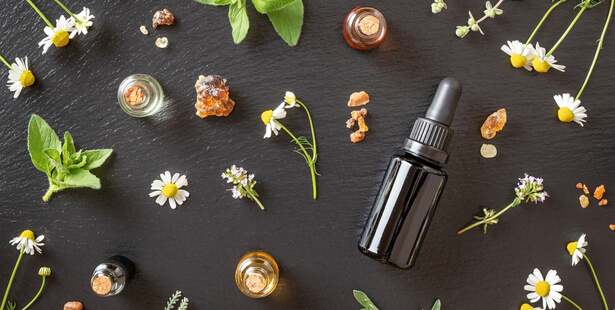
For oral use, it is safer to turn to ready-made pharmaceutical products such as the Oléocaps No. 2 capsules from Pranarôm, ideal in this case.
Topically, tea tree essential oil, a broad-spectrum antiseptic, can be used for massage on the lower abdomen, using 4 to 5 drops in a teaspoon of carrier oil, 3 to 4 times a day.
Which medicinal plants should you favor?
The heather and bearberry are among the most indicated: diuretic, antiseptic, they help relieve painful urination and increase urine production to speed the elimination of bacteria. Bearberry is not recommended for pregnant women. They can be consumed as an herbal tea four times daily, aiding hydration which is essential for healing a cystitis.
For the heather flowers, use one tablespoon in 250 ml of boiling water and let steep for 10 minutes. For bearberry leaves, use one tablespoon in 250 ml of cold water, bring to a boil for 3 minutes, and let steep for 10 minutes.
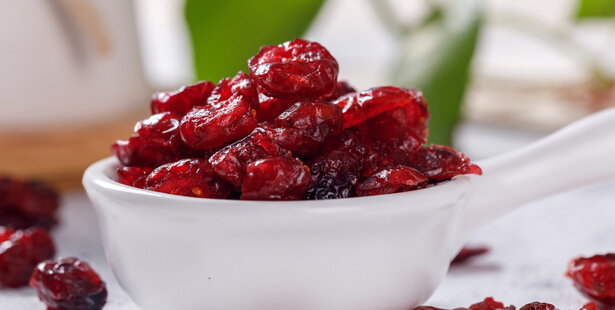
The cranberry is interesting for preventing bacteria from sticking to the urinary wall and thus helps prevent recurrences.
What about bud elixirs?
In gemmotherapy, we turn to the blackcurrant bud, anti-inflammatory and heightening the beneficial action of other buds in the synergy, as well as buds from the urinary sphere such as juniper: diuretic and urinary tract anti-inflammatory, and lingonberry bud which helps calm the frequent urge to urinate and gently restore the bladder.
These buds are not suitable for pregnant women and for people with histories of hormonally dependent cancers.
Note that the recommendations in this article are not miracle cures. If your symptoms persist for more than a few days or worsen, you should see a physician.