
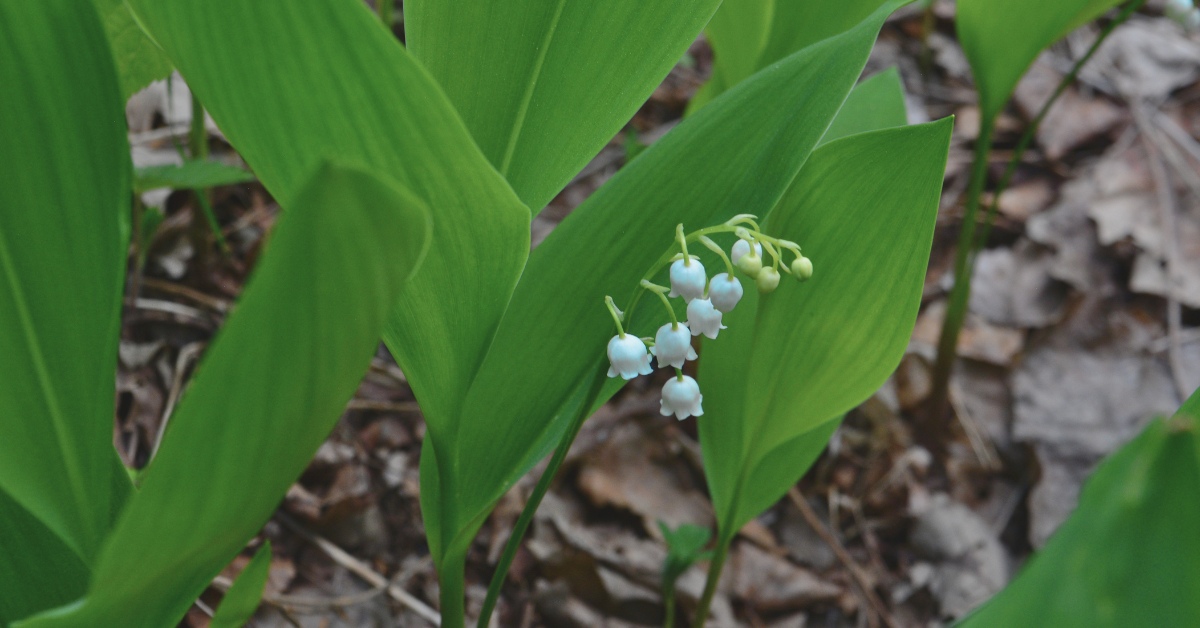
Symbol of happiness and a staple of May Day, lily of the valley is part of France’s most deeply rooted traditions. Yet behind its delicate white bells lies a far less cheerful reality: this plant is highly toxic. A detail still widely overlooked… and sometimes costly.
Each spring, thousands of households welcome lily of the valley without realizing it can pose a real risk to children and domestic animals. A small accidental ingestion can be enough to trigger serious problems.
Lily of the valley, a flower offered for centuries… but not without danger
The tradition of offering lily of the valley dates back to the 16th century, popularized by King Charles IX. Since then, this plant has become a symbol of luck and renewal. But behind this positive image, the Convallaria majalis contains potent toxic substances.
These compounds, called cardiac glycosides, act directly on the heart. An ingestion, even in small amounts, can cause significant effects on the body.
Even when withered, lily of the valley remains dangerous
Contrary to what one might think, lily of the valley does not lose its toxicity over time. All parts of the plant are affected: flowers, leaves, stems… and even the water in the vase.
The symptoms of poisoning can appear quickly:
Nausea, vomiting, abdominal pain, diarrhea, but also heart rhythm disturbances, dizziness or slowing of the heart in the most severe cases.
Children and domestic animals are particularly vulnerable. Their natural curiosity drives them to handle or ingest the plant, sometimes without adults realizing it.
Un risque sous-estimé dans nos foyers
Every year, poison control centers report numerous lily of the valley poisoning cases, especially in spring. This seasonal peak underscores how this plant remains poorly identified as dangerous.
The problem isn’t just botanical: it’s cultural. Because it is linked to a positive holiday, lily of the valley benefits from a reassuring image… which makes its toxicity easy to overlook.
Lily of the valley and animals: a danger often underestimated
Lily of the valley poses not only a risk for humans: it is also extremely toxic to dogs and cats. All parts of the plant are involved, including the vase water, which can concentrate the toxins.
For animals, a very small amount is enough: a single sprig or a few leaves can trigger a serious poisoning. Symptoms often appear quickly (sometimes in less than a few hours) and begin with digestive issues: vomiting, excessive drooling, diarrhea. In more severe cases, lily of the valley toxins can affect the nervous system and especially the heart, causing potentially deadly heart rhythm disturbances.
It is always a veterinary emergency. If in doubt, do not wait: contact a veterinarian immediately. The faster the response, the better the chances of recovery.
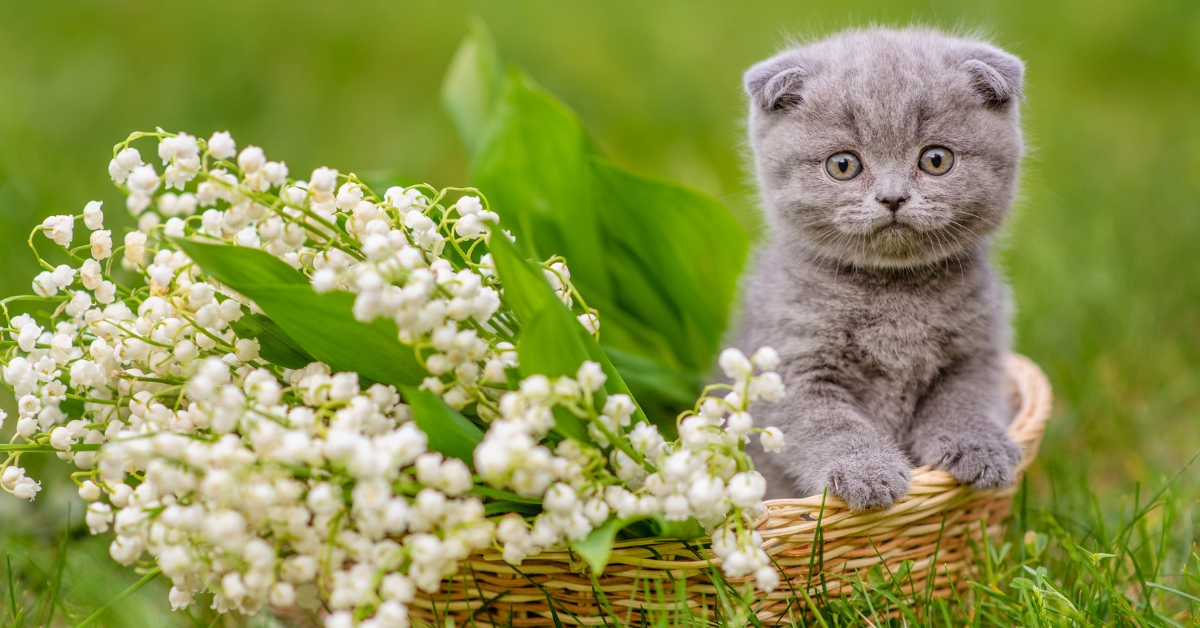
The right precautions to prevent poisoning
It isn’t about banning lily of the valley, but about adopting a few simple practices to limit the risks:
Keep the bouquet out of reach of children, avoid leaving vase water around, wash your hands after handling, and never let a domestic animal have access to it.
After flowering, it’s better not to keep the plant indoors unnecessarily. Its decorative value is real… but its toxic potential, unfortunately, remains.
What to do if it’s ingested?
If ingestion is suspected, act quickly. Immediately contact a poison control center or the emergency services. Do not wait for symptoms to appear.
Treatment mainly relies on symptomatic care. In some cases, administering activated charcoal can limit toxin absorption, provided action is taken quickly.
Should we still give lily of the valley?
The question deserves to be asked. Giving lily of the valley remains a strong tradition, but it could evolve toward more responsible practices: inform, prevent, and accompany the gesture with a vigilance message.
Because ultimately, giving happiness should never expose someone to an avoidable danger.