
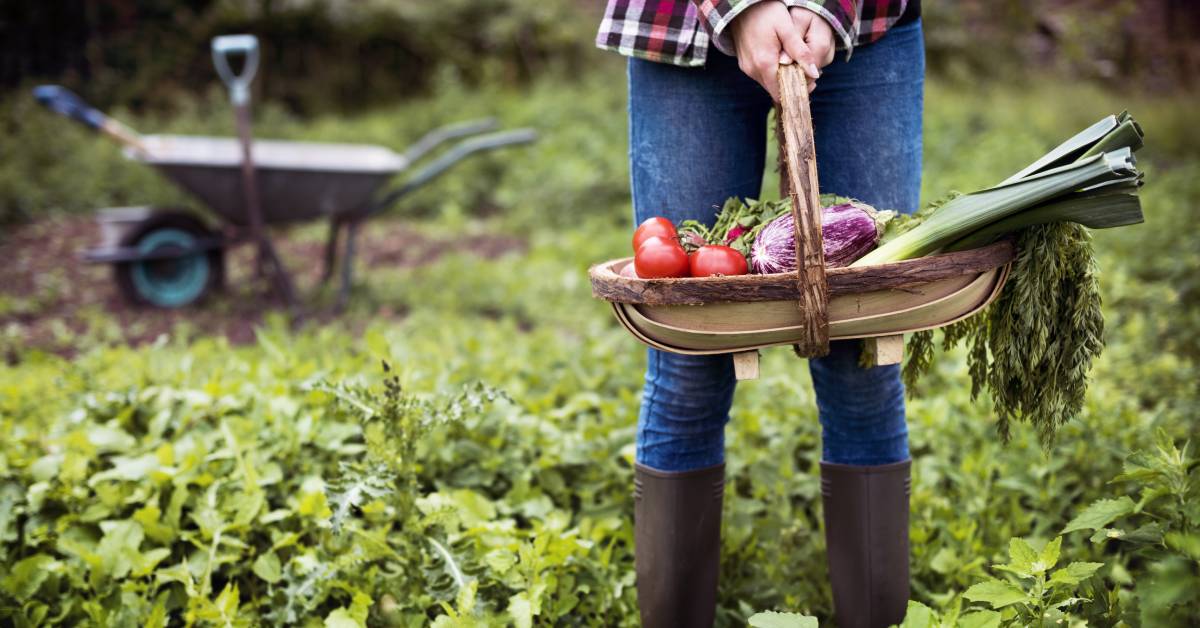
It’s a topic you hear about often: to avoid chemical pesticides in the home garden, you should practice plant companionship. But concretely, how does it work?
Plant Companionship, an Ancient Technique
Being mindful of how space is used, how soils are managed, better covering soil to make it less hospitable to weeds, leveraging the virtues of plants, and listening to your environment—these are the key principles of plant companionship.
Mutual protection of plants against pests or simply boosting garden growth—the practice called plant companionship (companion planting) is a basic rule of responsible gardening. While it can be controversial at times, these “grandmother’s tricks” rooted in observation and practice have nevertheless proven their worth.
Herbs and Their Protective and Repellent Powers
The lavender and basil repel pests such as flies, gnats, and mosquitoes.
The basil can be grown with tomatoes, asparagus, peppers, chilies, and eggplants, and it helps deter aphids.
The marigold repels tomato blight and keeps various pests away from potatoes, tomatoes, asparagus, lettuce, beans, and cabbage. It’s recommended to plant it along the garden border.
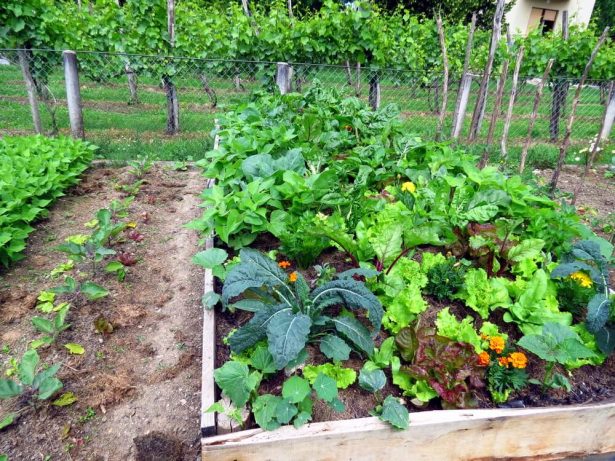
The mint paired with cabbage and fennel with carrots offer protective benefits.
Dill and chives protect carrots and cucumbers.
Garlic, when grown with carrots, potatoes, beets, strawberries, and tomatoes, helps repel insects. However, it is detrimental to cabbage, beans, and peas.
The borage, on the other hand, attracts bees and aids pollination, while repelling slugs, Colorado potato beetles, and tomato worms. It pairs well with potatoes, zucchini, cabbage, and strawberries.
To reduce slug infestations, you can use chervil. Finally, parsley is favorable for asparagus and tomatoes.
Favorable Vegetable Pairings
Asparagus can be paired with beans, parsley, and tomatoes. Eggplant pairs with green beans.
The carrot is beneficial for a wide range of legumes such as leek, onion, lettuce, peas, radish, tomato, cilantro, chives, or rosemary.
The celery stalks pair with leeks, tomatoes, or cauliflower.
The celery root goes beautifully with radishes, beets, peas, and beans.
The strawberries benefit from borage, spinach, lettuce, tomatoes, and thyme.
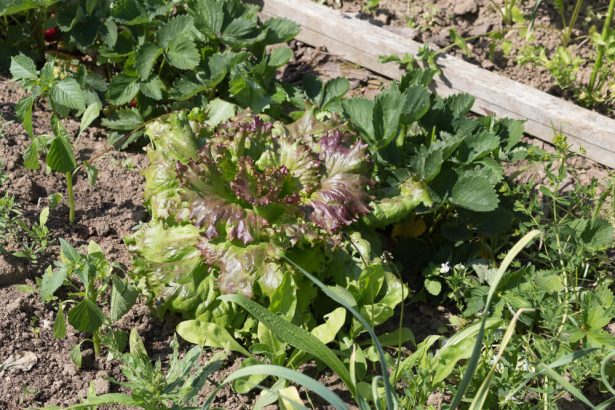
Shallots benefit beets, strawberries, tomatoes, and lettuce.
The bean is an ideal companion for potatoes, carrots, cucumbers, cauliflower, strawberries, eggplants, corn, cabbage, beets, celery, spinach, and savory.
The lettuce helps promote the flourishing of cauliflower, dill, carrot, radish, strawberries, cucumber, squash, and leek.
The Unfavorable Vegetable Pairings
Some plants are inherently incompatible and compete for the resources the other needs.
In particular, cabbage is incompatible with strawberries, tomatoes, and onions.
Cucumbers do not pair well with potatoes and tomatoes.
Potatoes are the sworn enemy of tomatoes, squash, carrots, onions, raspberries, and sunflowers.
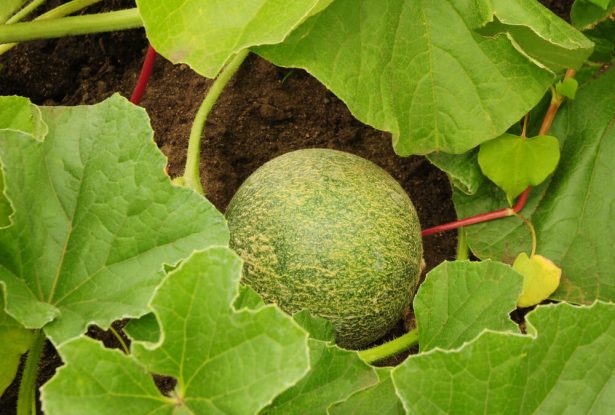
Melons planted near cucumbers or squash will not grow well. It is best to plant melons on their own, away from other crops.
Lettuce does not pair well with sunflowers or parsley, and tomatoes will not thrive when grown alongside beans, cucumbers, kohlrabi, potatoes, or beets.
Avoid at all costs pairing beans with onions, garlic, shallots, tomatoes, or fennel; and remember that garlic should not be planted near peas, beans, fava beans, or lentils.
Plant Pairings to Battle Pollution
Facing soil pollution and intensive agriculture, returning to gardening fundamentals becomes essential. Plant companionship is only one solution among several others worth considering.
Indeed, a three-year crop rotation—a cornerstone of the farming practices our grandparents relied on—and mulching around the base of plants help avoid chemical inputs and herbicides.
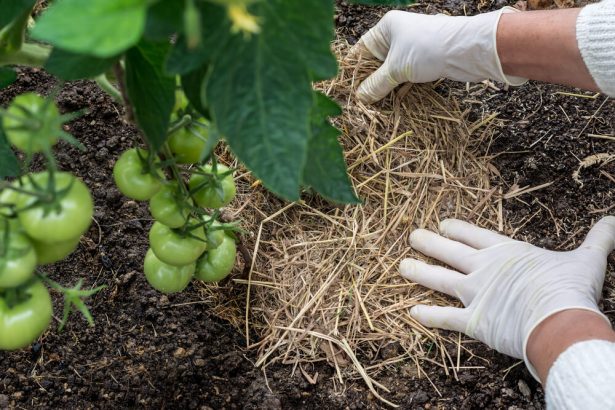
To mulch your plants, simply collect the grass clippings from your mower after letting them dry for a few hours. They help smother weeds and keep the morning coolness throughout the day.
So, from now on in the vegetable garden, plant without chemical fertilizers and pesticides. Responsible gardening is possible!