Terraces, pergolas, fences, gates, shutters… Outdoor remodeling projects are plentiful. But in the era of repeated heatwaves and intensifying droughts, how can you make the right choices? Here’s how to blend comfort, ecology, and durability to transform your outdoor space into a true haven of cool.
The Outside of the House: An Area Too Often Neglected, Yet Strategic
In the United States, millions of households enjoy a garden or outdoor space, and the enthusiasm for outdoor living has only grown since the recent years. Yet while many invest in their interiors, the exterior often remains the neglected side of home improvement. And that’s where a large portion of a home’s thermal comfort—and its environmental footprint—are decided.
When thoughtfully planned, an outdoor space can reduce the heat felt inside the house, cut water use, support biodiversity, and even increase the property value. If misjudged, it can become a source of unnecessary expenses (watering, maintenance, unsuitable materials) and worsen the effects of the urban heat island phenomenon.
1. The Terrace: Choosing the Right Material Means Choosing the Environment
The terrace is the most popular outdoor improvement project. But not all materials are equal, either environmentally or thermally.
The concrete or dark tiling absorbs and radiates a lot of heat: a south-facing terrace can exceed 140°F (60°C) in summer, making the space unusable. Conversely, a wood deck (composite wood made from recycled materials, FSC-certified wood) stays cooler to the touch and offers a much better carbon footprint. The gridded, grass-covered pavers are also an excellent option: they let rainwater infiltrate the soil (reducing runoff and flooding) while remaining cool in summer.
The right material choice for your terrace is also an environmental choice, and that’s precisely the type of guidance you should expect from an experienced professional before you start.
2. The Bioclimatic Pergola and the Retractable Awning: Smart Shade
Creating shade without impermeabilizing new surfaces is the challenge of coming summers. A bioclimatic pergola with adjustable slats that respond to the sun is a particularly effective solution: it lets you enjoy your outdoor space even during heat waves, while still allowing light and rain to pass when you want.
The retractable awning plays a similar role and has the advantage of limiting indoor overheating. A well-placed solar shading solution can lower indoor temperatures by 5 to 8 °C (9 to 14 °F), reducing the need for air conditioning and thus energy consumption.
Greening a pergola with Virginia creeper or jasmine amplifies this effect: a natural vegetation cover that renews itself each year and attracts pollinators.
3. Shutters and Exterior Joinery: The Thermal Protection Often Overlooked
People rarely think of shutters as a tool for ecological comfort, and yet they can be. Properly chosen rolling or hinged shutters can block solar heat before it enters the home and help preserve nighttime coolness. It’s one of the simplest and most effective actions to reduce summer energy consumption.
Exterior joinery (doors, windows, glass walls) also contributes to insulating the building envelope. Replacing them as part of a holistic remodeling project is often a chance to achieve substantial energy savings, which can qualify for public incentives.
4. Fences and Gates: Favor Living Plants Over Mineral
A full concrete boundary wall is a poor choice on several fronts: it accumulates heat, blocks air circulation and wildlife, and offers an unattractive monolithic look. A living hedge (laurel, holly, privet, hornbeam) is preferable in many respects: natural windbreak, habitat for insects and birds, thermal and visual regulator, and far more pleasant to the eye.
If a structural fence is necessary, opt for perforated materials (wrought iron, aluminum, galvanized steel) that allow air to circulate and limit the local greenhouse effect. The gate, for its part, deserves special attention: it is the first visible element of the property. A well-chosen gate immediately enhances the façade’s appearance and can have a meaningful impact on resale value.
5. Paving and Pathways: Let the Water Breathe
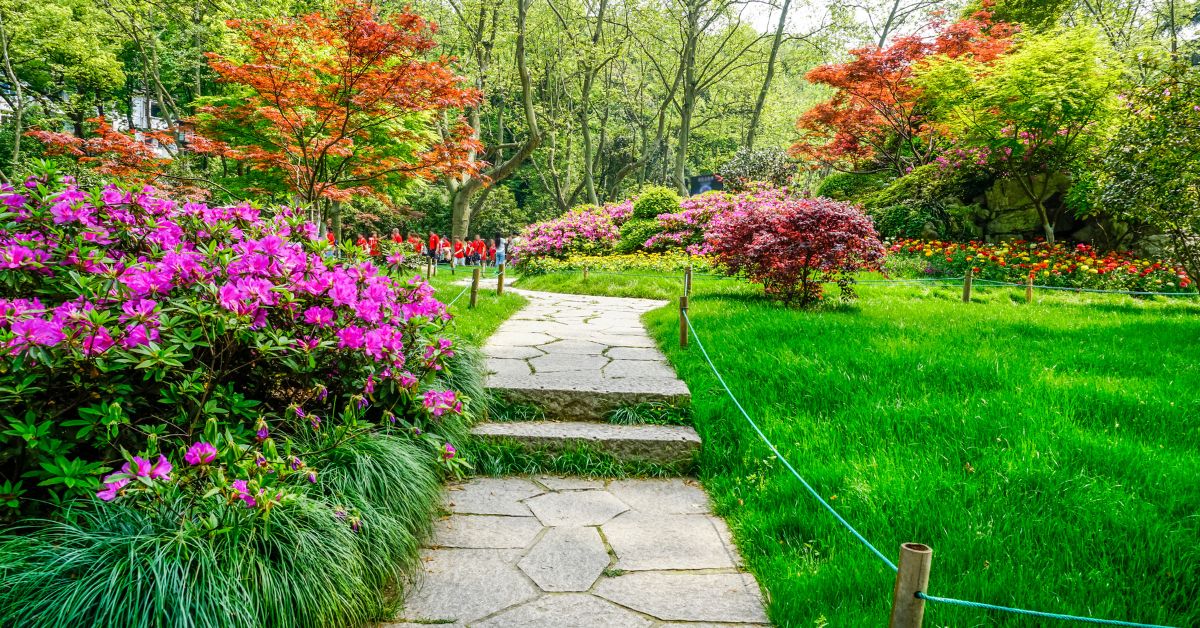
Stabilized gravel pathways, stepping-stone pavers, or pavers with grassy joints are far better options: they let water infiltrate, maintain soil moisture beneficial to plants, and stay cool in summer. A quality outdoor paving project, installed by professionals, can blend aesthetics with permeability.
6. The Pool: A Project to Be Thought Through Carefully
The pool is the outdoor feature that people fantasize about the most—and it also demands the most careful planning. Environmentally, an uncovered pool can lose up to 30 cubic meters of water to evaporation each summer. A pool cover (tarpaulin, solar pool cover) is essential, both to reduce water consumption and to retain water temperature and limit the need for heating.
From the construction side, a geotechnical soil study is mandatory before any excavation—an step builders are well acquainted with and that avoids many headaches.
Hiring a Professional: An Investment, Not a Cost
The DIY temptation is strong for outdoor improvements. But between administrative requirements (prior declaration of works, building permit depending on the project), local zoning rules, soil studies, and the choice of terrain-appropriate materials, going solo carries real risks: delays, non-compliance, project rework.
Working with a specialized company means enjoying comprehensive oversight, legal guarantees (including a decennial warranty), and a single point of contact who coordinates the various trades. For those who want to realize their project with proper framing, outdoor remodeling work carried out by certified professionals enables you to combine aesthetic ambition, compliance with standards, and durable material choices while enjoying a free personalized quote.
In Short: Designing Your Outdoors Is Thinking About Tomorrow
A well-designed outdoor space isn’t a luxury: it’s an investment that improves the home’s thermal comfort, enhances property value, and, when well thought out, contributes positively to the local environment. A vegetated pergola, permeable materials, a living hedge, and well-oriented shutters—every choice counts.
The good news is that ecology and comfort are no longer opposites. On the contrary, the most durable solutions are often the most enjoyable to live with—and the most economical in the long run.
Also read on Consoglobe:
10 eco-friendly & affordable ideas to outfit your garden
Ideal Terrace: the key elements of a successful setup