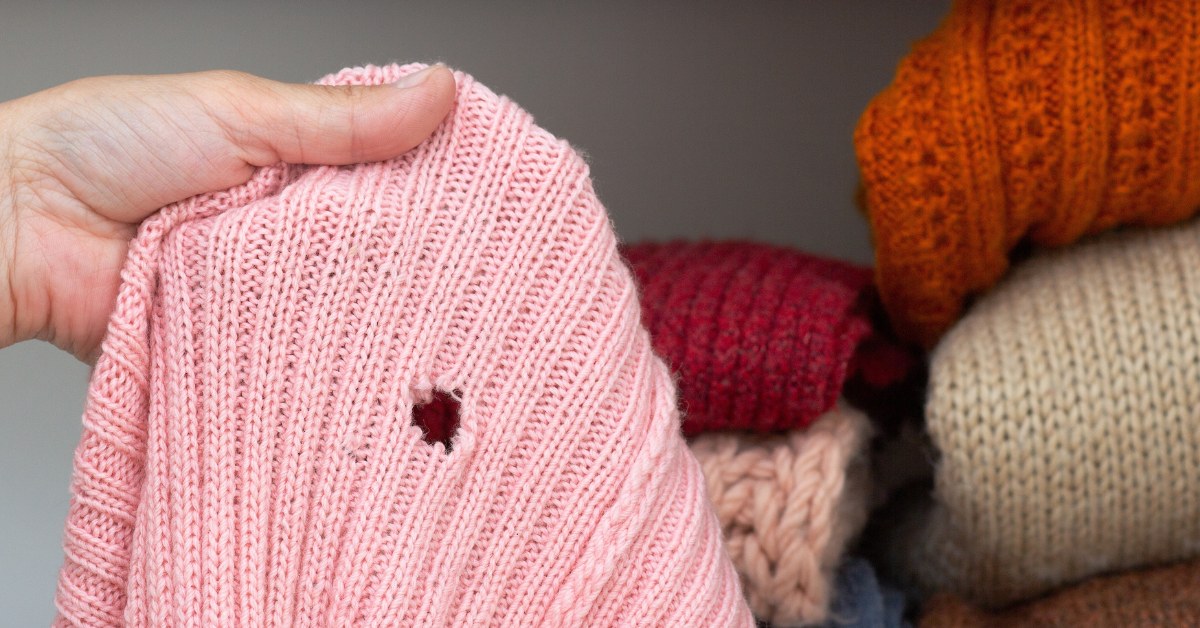
Moths, we’ve all found them in our closets or wardrobes at one time or another. They aren’t inevitable. To fight against these moths and their larvae, there are moth-proofing solutions. First-generation moth repellents are harmful, often based on naphthalene, and they are also among the most dangerous and toxic. Between toxic substances and lingering naphthalene odors, it’s time to switch to a healthy protection for your home and your health.
Moths: what are the consequences?
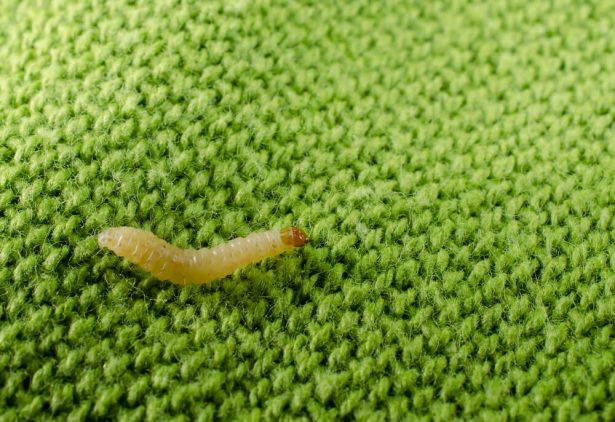
Moths (butterflies) don’t directly damage textiles (or foods for moth-eaten foods). It’s their eggs buried near them that cause trouble, because the larvae, to feed, gnaw at textile fibers and spin a cocoon.
The moths settle into clothing, pillows, mattresses, cushions, woolens, carpets… Once adults, the larvae become small white butterflies that are harmless.
Why ban conventional moth repellents?
For decades, naphthalene has been the queen of closets. Today, we know it is classified as a possible carcinogen. Second-generation products, based on paradichlorobenzene, are not much better: they are petrochemical derivatives containing powerful neurotoxic agents.
Fortunately, there are formidable natural alternatives to protect your woolens and your pantry stocks without polluting your indoor air.
The Natural Moth Control Plan
Effective treatment of a moth invasion is possible. First determine whether these are pantry moths or clothes moths that have invaded the home, then combat them using traps, natural sprays, or parasitoid wasps.
Understand the enemy: who gnaws your clothes?
Contrary to popular belief, it’s not the tiny white butterfly you see flying that makes holes in your sweaters.
- The culprit: It’s the larvae. The moths lay hundreds of eggs in the fibers (wool, silk, cashmere).
The food: The larvae feed on keratin, a protein found in animal hair and natural textile fibers. - The cycle: Once mature, the larva becomes a moth that only seeks to reproduce, perpetuating the destruction cycle.
How to know if you’re dealing with moths?
Here’s a method that doesn’t harm other insects or your health: you can buy a textile moth trap that contains a pheromone (sex hormone) which will irresistibly lure the male moths to the trap. The degree of infestation will be determined by the number of moths caught.
The moths trapped cannot mate and reproduce. Without male moths, the entire colony disappears. This method has the advantage of being non-toxic.
In cases of a significant invasion, you can turn to micro-wasps (the trichogramma are invisible to the naked eye), which are parasitoid predators of moth eggs, and can be bought commercially.

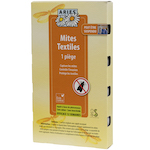
This Textile Moth Trap Rechargeable also helps limit reproduction. Thanks to the cassette, which can be hung, the textiles do not contact the sticky surface.
The number of moths trapped measures the level of infestation.
To discover on Bébé-au-naturel.com
How to limit moth presence?
To combat moths, rather than chasing them away, you can start by limiting the factors that facilitate their settlement and implement some simple preventive actions:
- Clean the infested closets as well as nearby closets thoroughly, and launder clothing.
- Clean and ventilate closets and clothes regularly.
- To prevent moths from coming in from outside, install window screens at your windows, or even at the doors of the room.
- Be sure to seal any cracks or gaps in walls, and to clean hidden or intermediate spaces, such as double walls, false floors or false ceilings.
You can deter moths by:
- Storing only clean, freshly pressed clothes in your closets, if necessary in airtight garment bags. Washing removes any sweat traces, and hot ironing has a lethal effect on moth larvae;
- Fragrance the clothing against moths: place dried bouquets of sweet-scented bedstraw (Aspérule odorante), a white woodland flower. It emits a hay-like scent due to coumarin that repels moths;
- Forming a potpourri;
- Be sure to wrap unused clothing tightly: if you’re storing garments for several months, place them in protective, ideally hermetically sealed and well-cleaned bags. Do this for winter-to-summer transitions and vice versa.
Natural moth-repellent plants
No need to chase away little critters with toxic products. Nature has given us easy-to-use natural repellents. Here are a few tips that could work wonders against moths in your closets.
Lavender and thyme
Place lavender sachets in your closets; their fragrance repels moths: cut lavender blooms to dry and make small bouquets. Put them in small fabric sachets and place them in all your clothing wardrobes and closets.

You can do the same with thyme, except it’s best placed in small dishes so its scent can diffuse.
The bay leaf moth repellent
Moths hate bay leaves, particularly bay laurel: gather bay leaves into small bouquets, in a fabric sachet or a sock.
Chestnuts, another good moth repellent
The aroma of chestnuts is particularly disagreeable to moths: simply scatter a few in your wardrobe.
Marseille or Aleppo soaps keep moths away
Pieces of Marseille soap scattered in the wardrobe have a moth-repellent effect. Aleppo soap, rich in laurel oil, cut into pieces, will also be very effective.

Essential oils against moths
Use small pieces of cotton (such as a handkerchief) or a porous stone soaked with peppermint or eucalyptus essential oil that you allow to diffuse in the spaces to protect. The same can be done with thyme or cedar essential oil, and even bay laurel essential oil.
Cedar bark, precisely
Cedar, or more precisely cedar bark, is known for its moth-repellent properties; and notably the red cedar balls from Virginia, which should be regularly rubbed with sandpaper so they keep a strong scent.
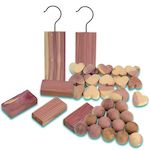
Our natural moth repellents are made from Atlantic cedar from France.
To refresh the cedar scent, gently rub the wood with sandpaper, and your clothes will stay protected from moths for a very long time.
To discover on bébé-au-naturel.com
Other products reputed for their moth-repelling qualities
- Rosemary leaves that act like lavender or thyme.
- Cloves: it’s said to plant several cloves into an orange or orange peel and place them in the wardrobes.
- You can do the same with lemon peel whose sharp scent unsettles moths.
- Mint leaves.
- Camphor branches or camphor alcohol: moths hate camphor. Using camphor balls is generally enough, but it’s said that Chinese camphor is even more effective.
- Eucalyptus is often used, because it’s practical: it comes in various forms.
In summary: your moth-control checklist
- Aerate and regularly clean your closets (white vinegar is your ally).
- Brush your natural fiber clothes.
- Scent your wardrobes with cedar or lavender.
- Monitor the appearance of early moths with sticky traps.
By adopting these habits, you will durably protect your favorite textiles without ever exposing your family to dangerous chemical products.