
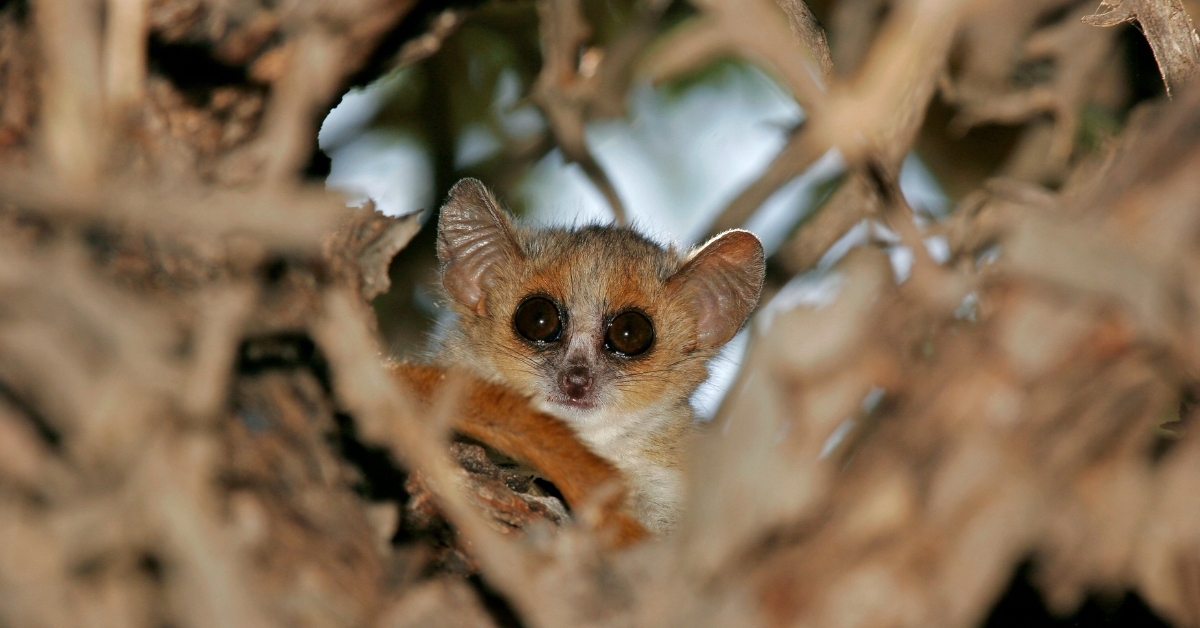
This minuscule 30-gram lemur could become the silent emblem of a global ecological catastrophe. In Madagascar’s dry forests, Mme Berthe’s mouse lemur, long regarded as the smallest known primate, is under mounting pressure from deforestation, climate change, and the collapse of its native habitat.
The situation of Mme Berthe’s mouse lemur, an endemic Malagasy primate, is becoming increasingly dire. This nocturnal primate weighs about 30.6 grams on average and measures only around 9.2 centimeters in length, excluding its tail. This extraordinary size has earned it frequent labeling as the tiniest primate in the world. It lives exclusively in the Menabe Antimena region of Madagascar. This extremely restricted range makes the species extremely vulnerable. When its natural habitat disappears, populations become isolated. Yet biodiversity experts are seeing an accelerating level of deforestation in this part of the island. Agricultural fires, illegal logging, and the spread of farming areas are progressively shrinking the forest areas available to this primate.
The situation is even more alarming because this lemur depends on a highly specialized environment. It inhabits dry deciduous tropical forests, an ecosystem unusually sensitive to climate fluctuations. More frequent droughts are profoundly altering the production of fruits, leaves, and insects the animal relies on. Climate change and climate-related disasters also threaten the lemurs’ survival. Drought periods have become far more common. The extinction risk now concerns far beyond the scientific community. The lemur sits at several major vulnerabilities: a small population, a restricted territory, and seemingly limited adaptive capacity in the face of rapid environmental changes. In addition, the microcebus possess a particularly fragile metabolism. According to multiple studies, these tiny primates can enter torpor to conserve energy during hard times. But this biological strategy no longer always suffice in the face of ongoing habitat destruction.
Why global biodiversity could lose this lemur before we even know it
The potential disappearance of this lemur illustrates a stark reality. Many animal species remain almost invisible to the public eye until extinction appears imminent. Mme Berthe’s mouse lemur wasn’t officially described until 2000 by Rasoloarison, Goodman, and Ganzhorn. Yet, fewer than three decades later, this primate is already classified among the most threatened species. This situation also reveals deep imbalances affecting global biodiversity. Madagascar alone concentrates a remarkable share of the planet’s endemic species. Lemurs are native nowhere else on Earth. However, the island has experienced accelerated forest degradation for several decades. Human activities, notably slash-and-burn farming and logging, are directly contributing to the collapse of natural habitats. The case of this lemur also reminds us that primates are not only threatened by hunting or wildlife trafficking.
Climate change now plays a central role. Changes in rainfall patterns disrupt the available food resources. Prolonged droughts increase tree mortality. Isolated, small groups become much more vulnerable to disease or natural disasters. Small, isolated populations can also vanish following natural disasters or outbreaks. Yet human pressure remains decisive. In many parts of Madagascar, dry forests are rapidly retreating. And these ecosystems are precisely the lemur’s main habitat. The principal threats facing mouse lemurs remain poaching, deforestation, mining and timber exploitation. This accumulation of factors dramatically reduces the long-term survival chances of many Malagasy primate species. This global ecological crisis also affects all lemurs. Several species already appear on international lists of animals in danger of extinction. Mme Berthe’s mouse lemur has, in fact, been listed since 2012 among the world’s 25 most-threatened primate species.
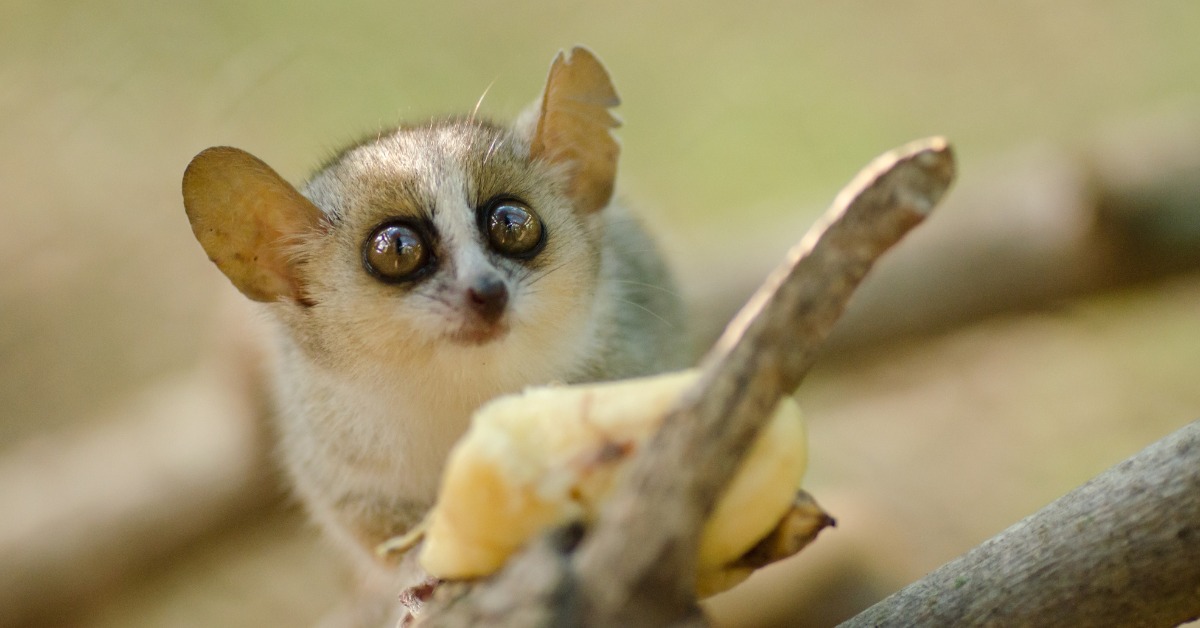
The lemur becomes a global indicator of ecological collapse
Beyond the fate of this small primate alone, researchers now view lemurs as major indicators of the health of Madagascar’s ecosystems. Their gradual disappearance directly reflects the scale of the environmental changes underway. When these animals disappear, an entire ecological balance often unravels. Lemurs play a vital role in regenerating tropical forests. By consuming fruit and dispersing seeds, these primates actively contribute to vegetation renewal. The loss of a lemur can therefore have far-reaching consequences for the local biodiversity. This interdependence concerns conservation scientists especially.
The Mme Berthe mouse lemur also highlights another scientific reality. Some extremely rare species can disappear before they have been fully studied. The biological data available about this lemur remains limited. Its reproduction, its adaptive capacities, and the precise trajectory of its population remain only partially understood. This makes it very difficult to design effective protection strategies. Moreover, Madagascar’s geographic isolation amplifies the risks. Lemurs evolved for millions of years with few comparable predators on other continents.
This unique evolutionary path sometimes leaves them less capable of coping with rapid disturbances caused by human activity. Mouse lemurs also show strong sensitivity to temperature changes and fluctuations in food resources. The paradox is striking: a lemur weighing just a few grams now sits at the center of global debates about biodiversity, climate, and the protection of endangered species. Yet its name remains largely unknown beyond scientific or environmental circles. This media invisibility can slow the international mobilization needed to safeguard Madagascar’s natural habitats. The coming years will be decisive for this primate. Because biodiversity experts now remind us that extinctions can occur extremely quickly when populations dip too low. The risk is no longer theoretical. It directly concerns the future of this uniquely world-spanning lemur.