

This small endocrine gland that releases thyroid hormones into our body is the cornerstone of our basal metabolism. When the thyroid slows down, it’s hypothyroidism; when it speeds up, it’s hyperthyroidism. This dysfunction affects roughly 10% of people in France. Discover how diet can help you regulate your metabolism naturally.
Understanding Thyroid Dysfunctions
The thyroid is a small endocrine gland, meaning it makes and releases substances into the bloodstream that modify how a target organ or tissue functions.
It consists of two lobes forming a butterfly shape. Located at the base of the neck, in front of the trachea, it plays a major role in regulating metabolism (notably by increasing the basal metabolic rate, i.e., the daily energy expenditure required for essential processes such as breathing, heartbeat, temperature maintenance, etc.) via the secretion of two key hormones: T4 and T3 (the latter derived from T4).
When the thyroid malfunctions, many organs or tissues can be affected: heart, digestive system, skin, hair… The consequences can also show up on mental health, with a tendency toward depression.
Thyroid: What Dysfunction? (Hypothyroidism vs Hyperthyroidism)
There are two broad types of thyroid dysfunction:
- Hypothyroidism: if it secretes less hormone, with a fairly typical set of symptoms (weight gain, hair loss, fatigue, irritability…).
- Hyperthyroidism: conversely, when its activity is too high, with a range of possible symptoms (weight loss, rapid heart rate, diarrhea…).
Medications to Regulate the Thyroid
Currently, doctors prescribe medications that help rebalance hormone concentrations, regularly measured through blood tests. These treatments can be tricky to dose.
For example, the Levothyroxine controversy: the active ingredient was reformulated to be more stable, but tens of thousands of patients reported adverse effects triggering a public health crisis.
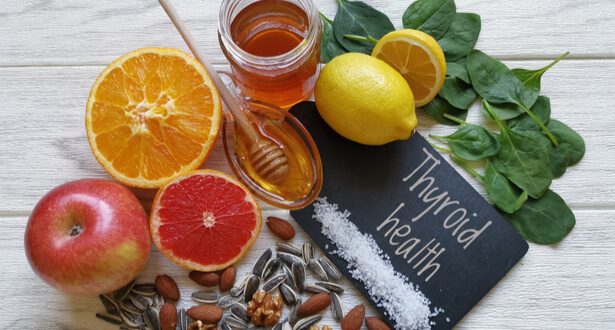
As a preventive measure or alongside standard care once a pathology has been declared, it is entirely possible to nurture your thyroid through a healthy, reasoned diet.
The Best Foods to Prevent Thyroid Problems
To support the production of thyroid hormones, certain nutrients and trace elements are essential on a daily basis. Here are the target foods to include in your menus.
Seafood Rich in Iodine and Zinc
Seafood takes the top spot for its iodine content, a key trace element for the synthesis of the T4 and T3 hormones. Daily needs are around 150 micrograms per day for a healthy adult.
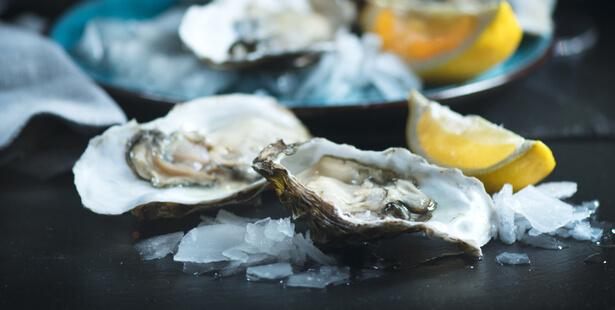
Do you love oysters? Include them regularly! Good news: they’re also excellent sources of zinc, another nutrient important for the thyroid.
Season, wild or farmed fish, canned or fresh: take advantage of marine fish (sardines, tuna, and mackerel). Vegetarians aren’t left out—enjoy the benefits of seaweed (marine algae): in tartares or sprinkled on dishes, include them regularly in your plates.
Sources of Tyrosine, Selenium, and Zinc
Eggs are also interesting because they contain tyrosine and phenylalanine, two amino acids that play a role in the production of those valuable hormones. Don’t overlook dairy products, especially cheese.
Brazil Nuts top the chart for selenium (about 2,000 micrograms per 100g), another trace element involved in thyroid health.
To boost zinc intake, focus on lean meats (roast, fillet, scallop, loin, shoulder), calf liver, and shellfish.
Seeds of pumpkin and lentils, as well as wheat germ, are recommended for thyroid troubles.
Important caution: Some foods should be consumed in moderation (discuss with a specialist; exclusion diets are always best avoided without medical advice): cruciferous vegetables (the cabbage family) may reduce thyroid hormone production.
We should also favor a less-processed diet, focusing on foods with a low glycemic index and making sure to choose those with the shortest possible ingredient lists.
Eco-Friendly Bonus: Aligning Thyroid Health with a Zero-Waste Diet
Taking care of your metabolism can fit perfectly into a broader ecological transition and waste reduction.
The practical guide for a healthy and sustainable kitchen:
- Highlight local, bulk seaweeds: Choose dried seaweeds (such as dulse or wakame) bought in organic stores or in bulk. They keep for months and avoid single-use plastic packaging while meeting your daily iodine intake.
- Recycle oyster shells: After enjoying the zinc benefits of your oysters, don’t discard the shells! Crushed, they make an excellent lime amendment for your garden soil or a natural calcium supplement for backyard chickens.
- Buy oilseeds in the right weight: Brazil nuts, champions of selenium, are ideally bought in reusable jars in bulk sections to minimize food waste and unnecessary packaging.