If we are lucky enough to have drinking water straight from the tap, that isn’t always the case when traveling, hiking, or in certain countries. So, how can you obtain a purer water, improve its taste, or reduce certain contaminants? consoGlobe.com breaks down the options for filtering and purifying water, with their advantages, their limits, and the essential precautions.
Purifying tap water: the most common home solutions
There are different ways to filter or purify water, depending on the goal: improving taste, reducing chlorine, limiting scale, removing certain particles, or ensuring water of questionable quality. But beware: not all methods are equally effective, and no household solution can replace water that is officially tested and regulated.
The different home water purifiers
If drinking water passes through a filtration and purification process before leaving the tap, traces of chlorine, lime, or certain compounds may remain. For those who want water with a more neutral taste, there are several devices: activated carbon filters, pitcher filters, faucet filters, reverse osmosis systems, or systems installed under the sink.
The right move: before buying a filtration system, identify your real need: bad taste, very hard water, travel, hiking, storage, or sanitary concern. The right equipment always depends on the problem to be solved.
Water pitcher: an easy solution to improve taste
If you worry about drinking only tap water, are tired of buying bottled water, and want to have fresh water available at all times, the water pitcher with filter is the simplest solution.
Directions: simply fill the pitcher with tap water. The filter helps improve the water’s taste, particularly by reducing chlorine and certain substances responsible for odors. This solution can also limit deposits in some appliances, such as the kettle.
Pros: an easy solution, cheaper than bottled water, convenient for reducing chlorine taste.
Cons: cartridges must be replaced regularly, filtered water should be consumed quickly, and the pitcher needs to be cleaned very often.
Faucet filters: quick filtration for daily use
Less expensive than under-sink systems, filters that attach directly to the faucet appeal for their simplicity. They usually hold a cartridge to be replaced regularly, often every two to three months depending on models and usage.
Direction: water passes through a filtration cartridge before consumption. This system can improve taste and reduce certain residues, but it does little to remove lime scale. Magnesium and calcium naturally present in water are not necessarily a health problem.
Pros: easy to use, affordable, cheaper than bottled water, useful against taste issues.
Cons: cartridge replacement and recycling, variable effectiveness depending on models, partial filtration for some pollutants.
Water softeners: useful against lime scale, not for drinking water
A water softener treats tap water to reduce its mineral hardness. The water becomes less hard, which can help extend the life of appliances and piping.
Two types of water softeners can be found:
- resin-based softeners, the most common;
- CO2-based softeners, which require neither salt nor traditional regeneration.
Portable filters, tablets, and hiking solutions
For travel, hiking, or situations where drinking water is not accessible, there are lightweight mechanical or chemical devices that are easy to carry.
Osmosis: very thorough filtration, but thirsty
These water filtration systems operate on the principle of reverse osmosis. Water first passes through a sediment pre-filter, which removes some particles. It then goes through an activated carbon filter, and finally a very fine membrane that greatly reduces many contaminants.
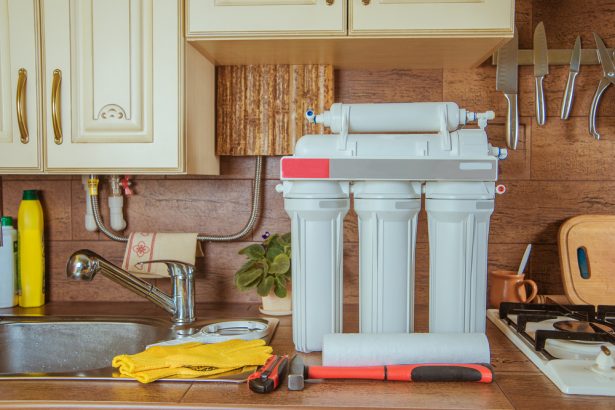
Pros: highly effective, durable, especially useful when the water has a clearly identified problem.
Cons: expensive, more complex installation, mandatory maintenance, significant water waste depending on models, and possible mineral depletion from the water.
Purifying water while traveling: practical methods when drinking water is scarce
The main challenge of water purification concerns situations where drinking water isn’t guaranteed: countries with weak sanitation systems, bivouacking, multi-day treks, emergencies, or long-term storage. In these cases, you must distinguish filtration, disinfection, and taste improvement.
Boiling: the simple, reliable technique
Protocol: bringing water to a boil remains one of the most accessible methods to eliminate most pathogenic microorganisms. It does not filter particulates or chemical pollutants, but it makes microbiologically questionable water safe to drink.
In practice, boil the water, let it cool in a clean, covered container, then consume it promptly. The water may taste flat after this method: aerating it by transferring it from one clean container to another can slightly improve the taste.
Sunlight and lemon: a handy aid, used with care
In some countries, people make do with what they have, notably sunlight. Exposing clear bottles to sunlight, a process called solar disinfection, can help reduce certain microorganisms when conditions are right. But this process is slow and depends on sunlight, water clarity, and the container used.
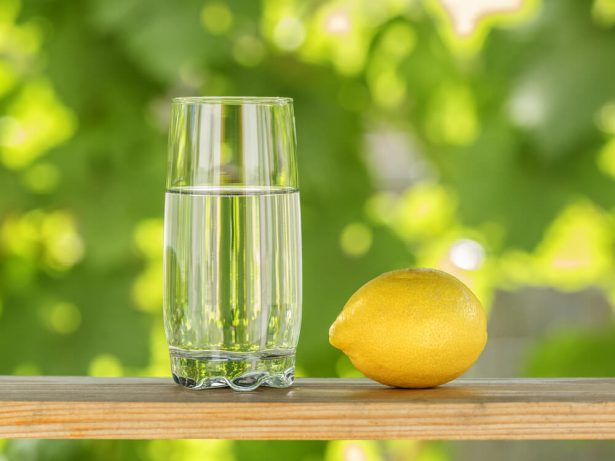
In 2012, researchers showed that adding lemon juice to sun-exposed water could speed up the reduction of certain bacteria, notably E. coli. The term “purified” should be used with caution: it mainly indicates a reduction in microbiological risk, not a universal guarantee of potability.
Activated carbon: to improve the taste of tap water
While it may seem odd at first, vegetable activated carbon can improve the taste of tap water. Used for a long time, it has the property of adsorbing certain molecules responsible for odors or unpleasant flavors.
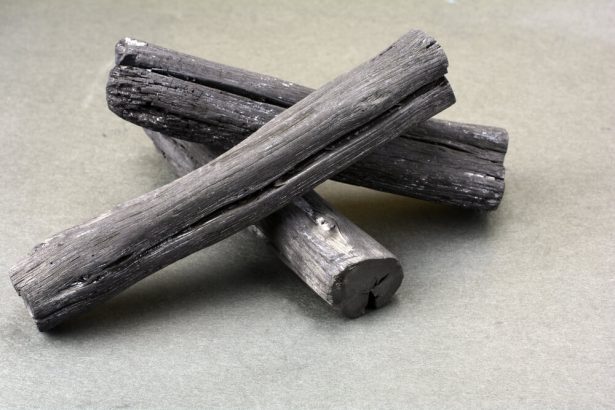
Directions: rinse the charcoal according to the manufacturer’s instructions, place it in a clean pitcher filled with tap water, and let it sit for several hours. It should then be maintained, replaced, or reactivated according to product recommendations.
Activated charcoal can help reduce chlorine taste, but it does not turn dangerous water into potable water. To learn more, don’t hesitate to read our previous article on purifying tap water with charcoal.
Moringa seeds: a natural lead, especially for clarifying water
Studies have shown that adding moringa seeds ground into powder can help clarify water and reduce part of the bacterial load. These seeds contain proteins that bind impurities, causing them to aggregate and separate from the water.
Protocol: 50 to 150 mg of ground moringa seeds can treat one liter of water, depending on turbidity. The water should then be filtered or settled. This method can be useful in some contexts, but it should not be presented as a complete guarantee of potability.

Colloidal silver: a controversial method to avoid for home use
Suspension of microscopic silver particles in ultra-pure water, colloidal silver is sometimes marketed as a solution for treating contaminated water. Historically, silver has been used in certain technical disinfection contexts.
Did you know?
In the past, it was customary to gift a silver cup to newborns—a tradition not entirely harmless, since for ages, this metal has been believed to be active against certain microbes. That historical reputation does not, however, justify unsupervised domestic use of colloidal silver in drinking water.
Some technical installations still use silver- or copper-silver-based processes to limit specific contaminants in water networks, for example against Legionella pneumophila. These uses fall under controlled protocols, very different from a DIY home approach.
Ceramic beads: mainly an anti-taste and anti-scale solution
The ceramic beads are presented as a solution to improve perceived water quality, particularly taste or scale-related deposits. They are composed of effective microorganisms, often called EM, said to act on the water’s balance.
Directions: 15 beads are typically enough to treat 1 liter of water, in about fifteen minutes. They should be rinsed and maintained regularly according to the manufacturer’s instructions.
Zero-waste bonus: purify water without multiplying plastic bottles
Purifying water also poses an environmental question. Buying bottled water may seem reassuring, but this habit generates plastic waste, transportation, and a sizable annual cost. When tap water is safe, the leanest solution is often to drink it directly, perhaps after a few hours in the fridge to let the chlorine taste fade.
Simple alternative: fill a glass bottle or a clean pitcher, place it in the refrigerator for a few hours, and drink it within the day. For travel, a well-cleaned stainless-steel bottle avoids disposable bottles and keeps water pleasant to drink.
Which method should you choose to purify water?
The best choice depends on the context. At home, a pitcher filter, a faucet filter, or activated carbon can improve taste. On a hike or while traveling, prioritize methods capable of reducing microbiological risk: boiling, a portable appropriate filter, or chemical disinfection. For water that is very questionable, turbid, or potentially chemically polluted, it’s best not to take any chances.
In any case, be confident: tap water in the United States is closely monitored. If it tastes strongly of chlorine, you don’t necessarily need to filter or purify it every time: simply fill a clean bottle and refrigerate. The taste should disappear within a few hours.
And you? Do you know other tricks to improve water taste or to avoid plastic bottles?