
In June, the garden enters a decisive period. Spring sowings take root, the first harvests arrive, and summer vegetables already require attention.
In the vegetable patch as in the ornamental garden, this month is ideal for planting, sowing, watering wisely, mulching, and keeping pests in check. Here is everything you need to do in June to enjoy a productive, living garden and one that stands up to the heat better.
What to plant in June, what to sow, what to do in the garden or vegetable patch this month?
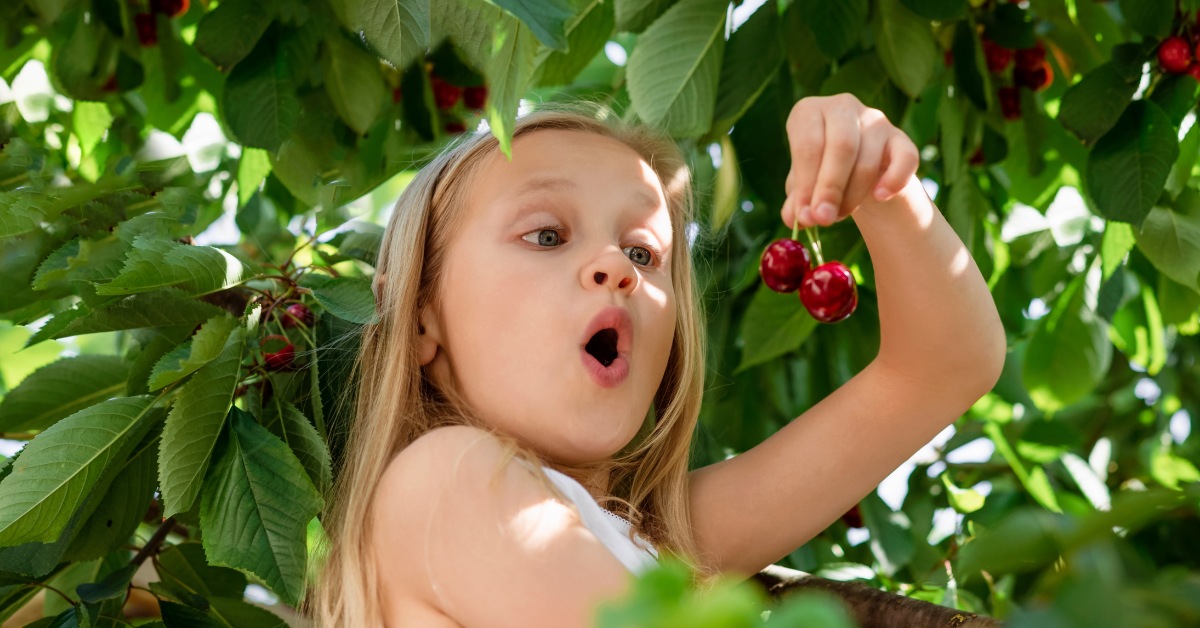
In June, you can count on strong growth from crops seeded in spring or late winter. Strawberries, raspberries, and cherries begin to bear fruit, while summer vegetables start to gain momentum.
It’s also the right time to do some late sowing, transplant certain plants, and tend the soil. Weeding, mulching, watering, and disease monitoring become essential.
What to plant and sow in June in the vegetable garden?
If one was wondering what to plant in May, June still gives you a chance to catch up on some sowings. You can sow broadcast, in rows, or in blocks depending on the vegetables.
June direct-sown crops in the open ground
In direct-to-soil sowing, don’t wait too long. The long days and warmed soils promote quick germination, provided you keep the soil cool.
You can still sow:
- green beans and climbing beans;
- lettuce and cut-and-come-again salad greens;
- lamb’s lettuce;
- endives;
- squash and zucchini;
- pumpkins and winter squash;
- carrots (half-long);
- a few last turnips;
- radishes, including black radish (winter radish).
June plantings in the vegetable garden
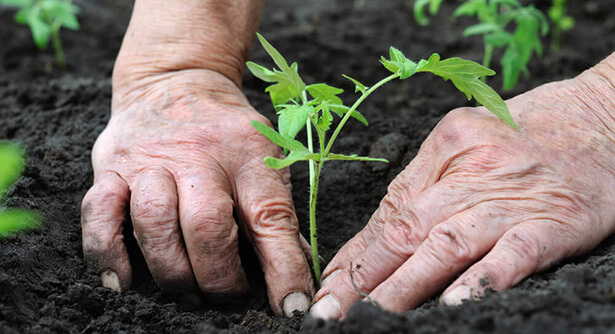
June remains a good time to set out several vegetables in the open soil. Just be sure to water at the base after planting.
You can plant or transplant:
- eggplants;
- sweet corn;
- beets;
- chard;
- green, red, or broccoli cabbage;
- endives;
- parsnips.
It’s also time to set in or pinch out summer and autumn vegetables:
- melons;
- celeriac;
- pickling cucumbers;
- zucchini;
- peppers;
- leeks;
- bell peppers;
- tomatoes.
You can also sow cucumbers in open ground during warm spells. With sufficiently moist soil, the harvest will come in August or September.
What to sow in June in a window box or pot?
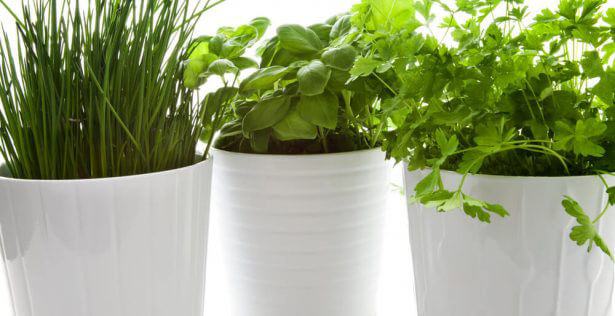
On a balcony, a terrace, or a small windowsill, June still offers plenty of possibilities. Container crops, however, require more frequent watering as the soil dries quickly.
You can sow or plant:
- basil;
- chives;
- mint;
- thyme;
- cut-and-come-again lettuce;
- cherry tomatoes;
- peppers;
- hot peppers;
- winter leeks;
- cabbages, broccoli, and cauliflower;
- yellow onions “Paille des vertus,” to transplant next spring.
Heat waves and drought: how to protect your vegetable garden in June?
For several years now, June has seen increasingly early heat episodes. The vegetable garden can suffer quickly, especially if young plants lack water.
To limit water stress, install a thick mulch around the most thirsty vegetables. This is the case for tomatoes, zucchini, eggplants, melons, and peppers.
Mulch made from straw, dried grass clippings, fallen leaves, or shredded branches works very well. Mulching helps retain moisture, protects soil life, and reduces weed growth.
During extreme heat, water preferably in the evening or very early morning. Try to avoid wetting the leaves, especially tomatoes, to limit disease risk.
Maintaining the vegetable garden in June: the right moves
In June, maintenance often makes the difference between an average veggie patch and a bountiful one. Weeds also take advantage of the warmer soil.
Also start hilling potatoes. This protects the tubers from light and can help limit certain moisture-related problems.
You should also watch for blight, which threatens tomatoes and potatoes. Remove any affected leaves at the first signs.
In June, several pests may also invade the vegetable garden. Keep an eye out for leek moth, cabbage looper, flea beetle, aphids, slugs, and snails.
The vegetables to harvest in June
Depending on weather and region, June marks the start of abundant harvests. Some vegetables sown in fall or spring finally make it from the garden to the plate.
You can particularly harvest:
- garlic;
- artichokes;
- carrots;
- summer cabbages;
- spinach;
- broad beans;
- white onions;
- sorrel;
- peas;
- radishes;
- lamb’s lettuce;
- lettuce;
- watercress;
- the last asparagus;
- early or new potatoes;
- aromatic herbs such as mint, thyme, parsley, or chives.
For garlic, tie the stalks when the foliage begins to yellow. You can then harvest when the leaves are thoroughly dry.
The fruits to harvest in June
The first strawberries, raspberries, and cherries are among the month’s great joys. Depending on the region, harvest times can vary by a few weeks.
Lightly prune fruit trees as needed. Also remove leaves that shade the fruit too much, so they get more light.
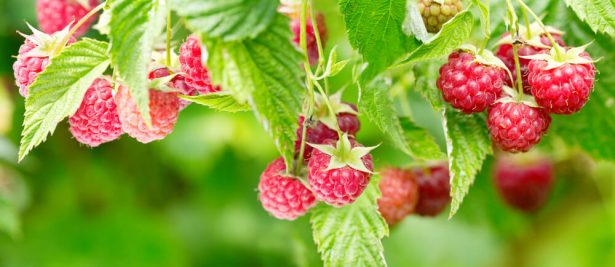
June also marks the return of birds and aphids, drawn by rising sap. It’s therefore important to protect the small fruits and monitor the new growth.
- Place nets over raspberries, currants, gooseberries, and other small fruits.
- Consult our tips for naturally fighting aphids.
Gardening work for flowers and decoration
In the ornamental garden, remove faded blossoms and damaged foliage. This simple gesture often stimulates a new round of flowering.
Hemerocallis (daylilies), roses, perennials, and other flowering plants gain vigor when regularly maintained.
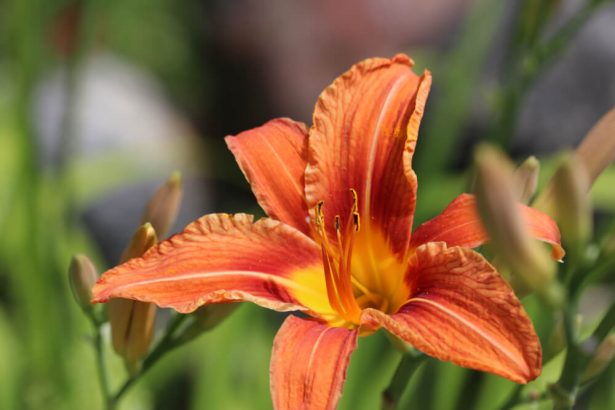
June also allows planting certain flowers and climbers. You can install morning glory, lavender, cosmos, forget-me-nots, calendula, or star jasmine.
Spring bulbs have finished blooming. Let their foliage yellow naturally before cutting it back. This is how they rebuild their reserves for the following year.
You can also plant some autumn bulbs, such as dahlias or season’s crocuses.
The lawn in June: should you water?
If your lawn yellows a bit, don’t panic. In early summer, the lawn often goes dormant as heat rises.
It isn’t always necessary to water. A rainfall is often enough to bring it back to green quickly. Save water for young plants and food crops.
However, your lawn can benefit from a suitable natural fertilizer. This helps it strengthen before the intense heat arrives.
FAQ: what to plant in the garden in June?
Can you still plant tomatoes in June?
Yes, especially if you’re installing established transplants. Plant them early in the month in rich soil, with good mulch.
Which vegetables grow quickly in June?
Radishes, cut-and-come-again lettuce, green beans, and some zucchinis can provide fairly quick harvests.
Should you water every day in June?
No. A deep watering once or twice a week is often preferable to small daily waterings.
What mulch to use in the vegetable garden in June?
Straw, well-dried lawn clippings, fallen leaves, and shredded plant matter are effective, economical, and easy to find.
What to plant in pots in June?
You can plant basil, mint, cherry tomatoes, cut-and-come-again lettuce, bell peppers, and hot peppers.
In short, in June, everything hinges on the garden
June is a generous month, but demanding. Sowing continues, plantings settle in, and the first harvests reward the spring’s efforts.
To succeed, keep three priorities in mind: protect the soil, water at the right moment, and watch for pests. With these simple actions, your garden will be better prepared to face the summer.