
Six Balcony Flowers That Bloom for a Long Time, Even Through Summer
Some plants offer spectacular blooms… but many are far too short-lived. Frustrating, especially when you dream of a colorful balcony for several weeks. Good news: there are balcony flowers that are generous, capable of accompanying you all summer, sometimes right up to the first frosts.
Long-blooming Balcony Flowers: Our 6 Favorites
Not everyone wants to turn their balcony into a miniature vegetable garden, even if cherry tomatoes have their charm. For those who prefer colors, scents, and low-maintenance planters, long-blooming flowers are true allies.
The secret? Choose plants suited to your balcony’s exposure, install good drainage, and avoid waterlogging. In pots, roots have less reserve than in the ground: it’s better to water regularly, but without soaking the substrate.
What to remember
- A very sunny balcony is well-suited to gazanias, portulacas, verbenas, and agapanthuses.
- Pots should always have drainage holes to prevent water stagnation.
- Deadheading faded flowers regularly encourages new blooms.
- A light mulch limits evaporation and protects roots during heat waves.
Gazania, Flowers That Love the Sun and Drought
Gazania are among the best balcony flowers for very sunny exposures. Their blossoms, often yellow, orange, pink, or bicolored, open wide in the sun and close when light dims. In other words, they love bright days as much as you love your morning coffee.
They typically bloom from spring to early autumn, with generous display if the summer is hot. In pots, they prefer a well-drained substrate, a south or southwest exposure, and moderate watering. No need to drown them: gazanias tolerate a touch of water shortage better than constantly soggy soil.
Balcony tip: remove spent flowers during the season to encourage new buds. In colder regions, gazanias are often grown as annuals.
The Rozanne Hardy Geranium, for Cascades of Blue with White Hearts
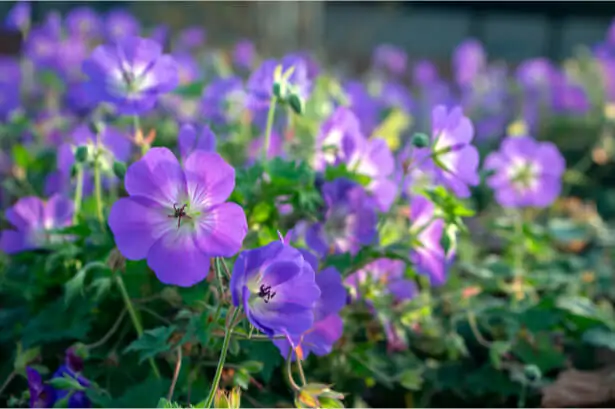
The Rozanne hardy geranium isn’t much like the traditional red balcony geranium you see everywhere. This one forms a soft, trailing clump, perfect for softening the edge of a pot or planter.
Its blue-violet blooms, with a white center, typically span from late spring to fall. Hardy, robust, and low-maintenance, it’s ideal for gardeners who want a balcony full of color without夜 spending their evenings on upkeep. It also attracts pollinators, which is always a plus in the city.
Plant it in a wide pot, with quality potting soil. It enjoys mild sun or bright, indirect light. In scorching sun, especially on a very mineral balcony, a regular watering schedule will be necessary.
Purslane, an Avalanche of Cheerful Little Flowers
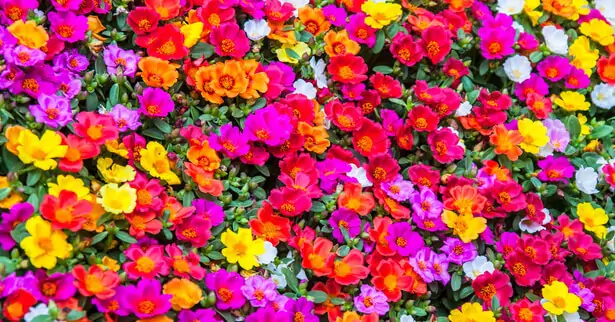
Purslane, especially the large-flowered varieties, are small plants perfect for very exposed balconies. Their succulent stems store water, which helps them endure heat and dry spells.
From June through the early autumn, their blossoms come in radiant tones: pink, yellow, orange, red, white… They quickly give a vacation vibe to a dull planter. Purslane appreciates poor, sandy, or very well-drained soils. In short, they’re not the ones that demand the most attention.
Caution, however: ornamental purslane grown for its flowers isn’t always the same as edible purslane. For cooking, better to grow specifically edible purslane labeled as such.
Abelia, Elegant, Romantic, and Delicately Scented
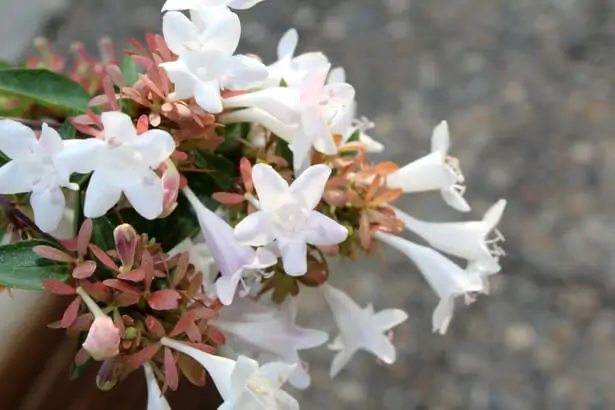
Abelias are small shrubs that bring volume and height to a balcony. Their glossy foliage remains decorative for a long time, and their tiny tubular flowers, white or pink depending on the variety, attract pollinators.
Their bloom often runs from summer through autumn, sometimes into the first frosts in mild climates. In pots, choose a compact variety and a sufficiently large container. Abelias enjoy a sunny, wind-sheltered exposure, a fertile, well-drained substrate.
Growth can reach nearly a meter depending on variety and growing conditions. It’s perfect for structuring a balcony without installing a too-bulky shrub.
The Agapanthuses, a Touch of the Mediterranean on the Balcony
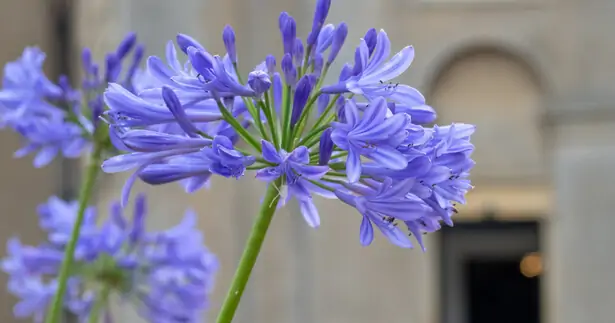
The agapanthus blooms are a bit shorter than some of the other plants shown here, but they certainly deserve their place. From June to August, depending on varieties and regions, they raise tall umbels of blue, purple, or white that instantly evoke a vacation vibe on the balcony.
Agapanthus do very well in pots, as long as they receive sun, a draining substrate, and regular watering in summer. Contrary to a common misconception, they do not necessarily bloom better when cramped. A properly sized, stable, well-drained pot is preferable.
A light mulch can help retain moisture during heat waves. In colder regions, protect the pot in winter or choose hardier varieties suited to your climate.
Garden Verbenas, Generous Blooms Up to Autumn
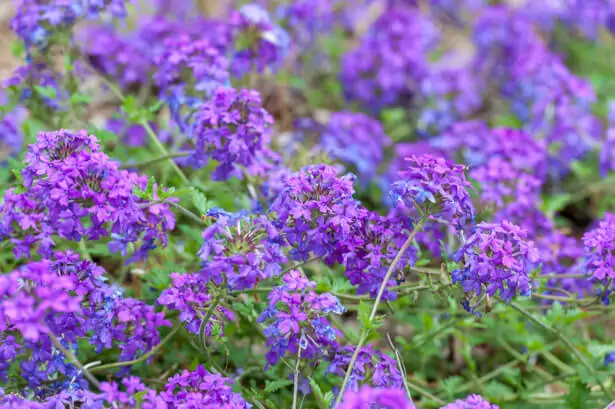
Hybrid verbenas, selected for their abundant flowering, come in many colors: violet, pink, yellow, white, mauve, or bicolor. They’re perfect in planters, hanging baskets, or mixed in a potting arrangement.
Depending on varieties and growing conditions, they bloom from early summer to autumn. They love sunny spots, but in pots they require regular watering, especially during hot periods. The right balance is to allow the soil to dry slightly between waterings, without letting the plant wilt.
To keep a pot looking neat, trim back spent stems from time to time. This small gesture encourages the plant to branch and produce new blooms.
How to Keep a Flowering Balcony Blooming Longer?
Choosing the right flowers is a great start, but a few simple practices make a real difference. First, opt for pots with drainage holes and add a drainage layer if needed. On a balcony, standing water is the root’s worst enemy.
Next, tailor watering to the exposure. A fully south-facing balcony with light-colored walls and a warming floor can turn a planter into a mini oven. In that case, water in the morning or evening, never in the scorching sun. A light plant-based mulch helps reduce evaporation and keeps the soil cooler.
Finally, consider feeding the more floriferous plants with a sensible amount of mature compost or organic fertilizer suited for flowering plants. The goal isn’t to push them to bloom at all costs, but to support their flowering without unbalancing the plant.
Balcony Flowers and Biodiversity: A Small Gesture That Counts
A flowering balcony isn’t just pretty. It can also become a useful stopover for wild bees, bumblebees, hoverflies, and butterflies, especially in cities where floral resources are sometimes scarce.
To reinforce this effect, mix flower shapes, stagger bloom times, and avoid chemical treatments. A few well-chosen pots won’t replace a meadow, of course, but they help create corridors of freshness and food for insects. And frankly, it’s nicer to look at than an empty balcony.