The pollinating insects are essential to the reproduction of a large portion of flowering plants. Yet too often people reduce their role to domestic honeybees alone. Missed the mark! Before hives, before beekeepers, even before our breakfast jars of honey, a whole array of animals was already doing this quiet, vital work.
Butterflies, bumblebees, wild bees, hoverflies, beetles… These small players in biodiversity enable many plants to produce seeds, fruits, and vegetables. Protecting them isn’t just about “helping the bees.” It’s safeguarding a broader ecological, agricultural, and food balance.
- Domestic bees are only part of the pollinators.
- Wild bees, bumblebees, butterflies, hoverflies, and some beetles also play major roles.
- A flowering garden, pesticide-free and less mowed can become a real refuge.
- Installing hives isn’t enough: the priority is to preserve natural habitats.
Pollinating Insects: Why They Are So Precious
Pollination is the transfer of pollen from one flower to another. This step enables fertilization, then the formation of fruits and seeds. Without it, many plants would struggle to reproduce.
The numbers are dizzying. A large portion of wildflower plants depend, at least in part, on animal pollination. Many food crops benefit too, including fruits, vegetables, oilseeds, legumes, cocoa, and coffee.
But beware of the one-note stereotype: pollination isn’t only about the honeybee. It depends on a diversity of species, each adapted to certain flowers, seasons, or habitats. In short, the more pollinators there are, the more resilient the ecosystem becomes.
Butterflies, Pollinating Insects as Beautiful as They Are Useful
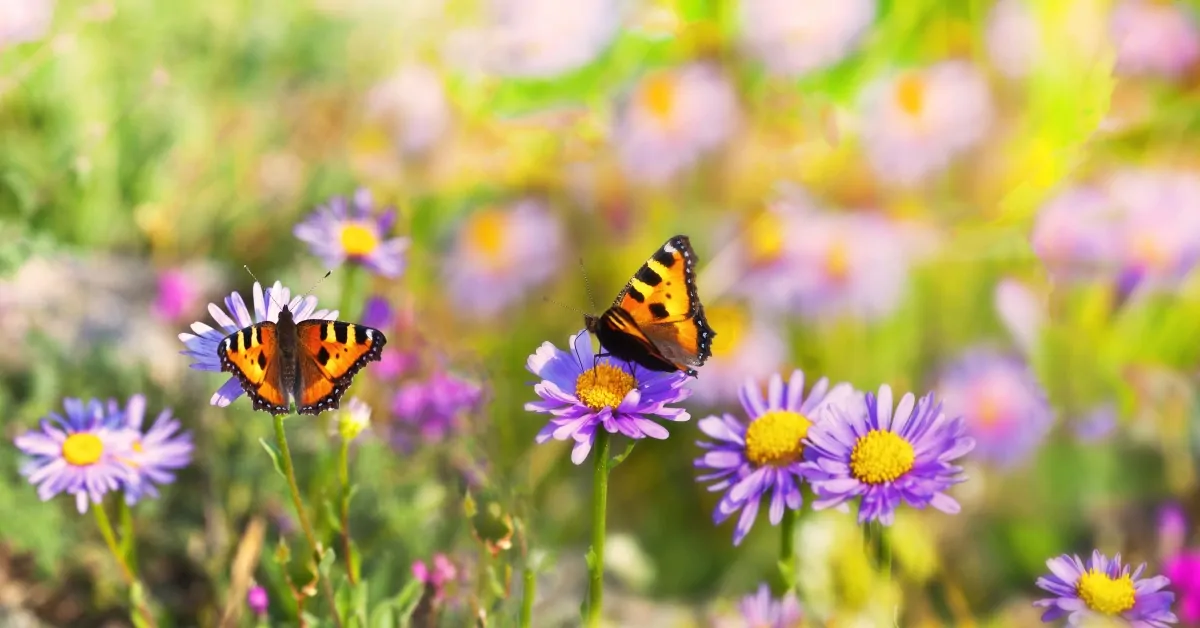
The great family of Lepidoptera, or butterflies, is best known for color and grace. Yet behind their prairie-dancer looks lies a real ecological role.
Most adult butterflies feed on nectar. Their long proboscis, a specialized tongue, lets them reach this resource at the heart of the flowers.
As they move from plant to plant, butterflies carry pollen attached to their bodies. They thus contribute to the reproduction of numerous plant species, though their effectiveness varies depending on the flower and butterfly species.
Garden tip: to attract butterflies, let a few wild plants bloom. Nettles, clovers, centaureas, lavenders, mints, scabious, and non-invasive buddleias depending on the region can provide nectar and host plants.
Wild Bees, the Greatly Forgotten Pollinators
Wild bees do not all live in organized colonies around a queen. Many are solitary. That’s why they are often called solitary bees.
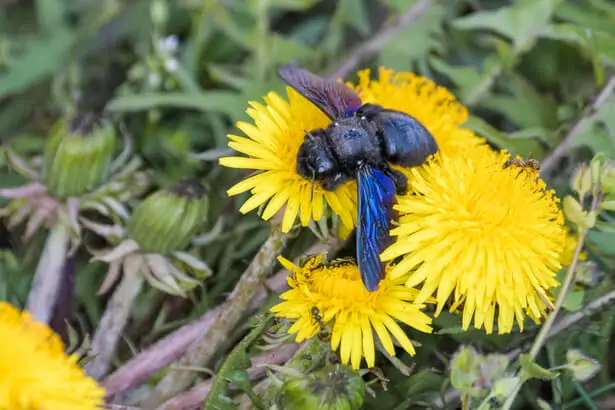
There are almost 1,000 wild bee species in France. Some nest in dead wood, others in hollow stems, old walls, or directly in the soil. This diversity allows them to occupy a wide range of habitats.
Their effectiveness is remarkable. Some species visit flowers that domestic bees seldom frequent. Others emerge in cooler or cloudier weather. Bumblebees, for example, can work when the weather discourages many other insects.
That’s why simply installing a hive isn’t enough to “save the bees.” In certain environments, too many hives can even heighten competition for nectar and pollen. To genuinely help pollinators, the priority is to restore habitats, diversify flowers, and avoid pesticides.
The Gardeners’ Hairy Champions: Bumblebees
Bumblebees belong to the same large family as bees. No, they aren’t the male honeybees, despite a stubborn mix-up. They are full-fledged pollinators in their own right.
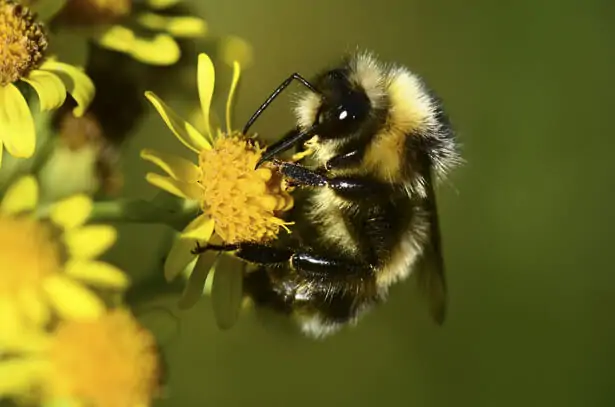
Their thick fur easily retains pollen. In addition, some bumblebees are capable of performing “buzz pollination.” They buzz flowers to release pollen, a technique especially useful for plants like tomatoes.
The garden bumblebee, with its long tongue, can reach nectar from deep flowers that other insects overlook. It more than earns its place in the club of garden allies.
Hoverflies: These Wasps in Disguise
Hoverflies are often mistaken for wasps. Yet these striped little insects are entirely harmless. They belong to the order Diptera, like true flies.
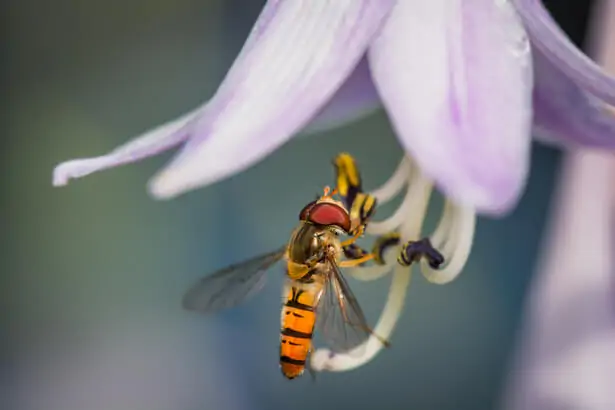
As adults, hoverflies feed on nectar and pollen. They visit many flowers and thus contribute to pollination. Their hovering flight, highly recognizable, makes them easy to observe in the garden.
But their usefulness doesn’t stop there. The larvae of certain hoverfly species are voracious aphid eaters. In short, the adult pollinates, the larva protects the plants. Pretty hard to beat.
Beetles, Discreet Pollinators
Beetles form one of the richest insect groups on Earth. Not all are pollinators, far from it. But several do visit flowers and can carry pollen.
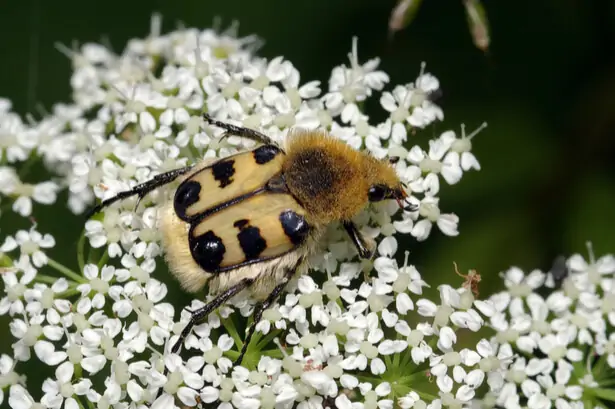
Cetoniens, golden beetles, lacewings and other florivorous scarabs sometimes feed on nectar, pollen, or floral parts. As they move from flower to flower, they contribute to the fertilization of plants in their own way.
They are less famous than bees, but they remind us of one essential truth: pollination is a team effort. And in this team, even the “supporting roles” count.
And Pollinators That Aren’t Insects?
Most pollinators are insects. Yet other animals also play a role, especially in certain regions of the world.
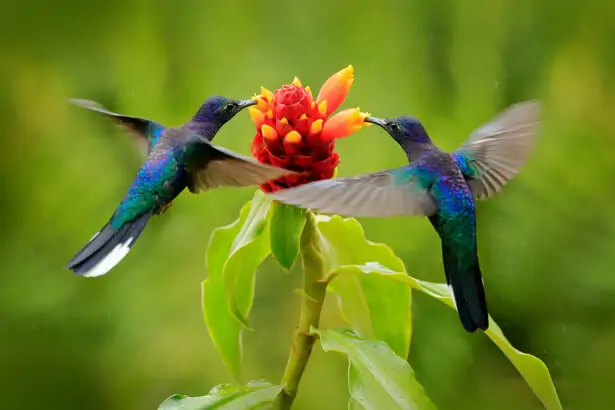
Birds like hummingbirds, some small mammals, and fruit-eating bats help with pollination. In tropical regions, these plant-animal interactions can be highly specialized.
Evolution has shaped remarkable relationships between flowers and their pollinators. Shape, color, scent, blooming period—nothing is left to chance. And we’re only beginning to gauge how fragile these balances are.
How to Help Pollinating Insects in the Garden?
Good news: you don’t need a large yard to make a difference. A balcony, a courtyard, a hedge, a vegetable plot, or a simple flower strip can become vital to pollinators.
The key is to provide flowers over a long period. Think early bloomers, like dandelions, willows, or fruit trees. Then add summer flowers, followed by a few autumn plants. Insects need resources from early spring through the last of the warm days.
Avoid pesticides, even those marketed as “gentle.” Also leave some rougher zones: a patch of tall grasses, dead wood, dried stems, a bit of bare soil. Many wild bees nest in the ground. A garden that’s too tidy quickly becomes a desert for them.
The simple idea: instead of mowing the entire lawn at once, reserve a small flowering area. It will serve as a pollinators’ pantry and will require less maintenance.
Finally, favor native plants whenever possible. They’re often better adapted to the wild insects in your region. Lavender, thyme, sage, clover, yarrow, borage, hollyhock, ivy, hazelnut, hawthorn, or sloe can offer shelter or nectar depending on the season.
Preserving pollinating insects isn’t just about defending a few bees. It’s about protecting an entire chain: the flowers, the fruits, the birds, the soils, the crops, and, ultimately, a portion of our food. Not bad for neighbors we barely notice.