
Have you noticed this? Lions, eagles, fennec foxes, kangaroos, or ferns accompany many teams taking part in the 2026 FIFA World Cup (soccer’s premier global tournament). According to The Wild League, 58% of the 48 qualified teams use a wild animal or plant species in their emblem, identity, or nickname. Yet several of these species are currently threatened.
Key takeaways
- 58% of the qualified teams use a wild animal or a plant as a symbol.
- The lion features in the identity of nine teams.
- Several species represented are vulnerable or threatened in the wild.
- Scientists are urging federations to fund conservation actions.
Lions belonging to England, Morocco or Senegal, Algerian fennecs, Ivory Coast elephants, French roosters… As the FIFA World Cup 2026 roars on, the scientific project The Wild League draws attention to a striking contradiction.
Teams use fauna and flora to evoke power, speed, or national identity. At the same time, some of the species celebrated on their jerseys are seeing population declines in their natural habitats.
The phenomenon goes far beyond this competition. A study published in the scientific journal BioScience analyzed 727 teams across ten sports, spanning 50 countries. Nearly a quarter use a wild animal in their name, logo, or nickname. More than half of the teams involved would represent species facing a risk of extinction.
The lion, the big star of World Cup symbols
The lion dominates the roster of World Cup symbols. According to The Wild League’s census, it appears in the identity of nine qualified teams, including England, Morocco and Senegal.
For centuries, this feline has embodied strength, courage, and power. It has progressively displaced the bear as the “king of animals” in European imagination. Today its image is used on crests, jerseys, and a wide range of branded products.
Yet this media presence contrasts with its status in the wild. The lion is listed as “vulnerable” on the IUCN Red List. Its populations have fallen sharply due to habitat destruction, prey depletion, and conflicts with human activities.
The Atlas lion, linked to the Moroccan team, has disappeared in the wild. However, individuals carrying part of its genetic heritage survive in captivity.
Elephants, leopards and tigers: fragile emblems
Other iconic mammals of the competition face intense pressure. The savanna elephant, associated with the Ivory Coast Elephants, is listed as “Endangered” by the IUCN.
In Ivory Coast, the species has lost a large portion of its habitat to deforestation, agricultural expansion, and poaching. Populations now survive only in a few protected areas and forest fragments.
The leopard, highlighted by the Democratic Republic of the Congo Leopards, is listed as “Vulnerable.” It suffers especially from habitat fragmentation, prey decline, and illegal trade.
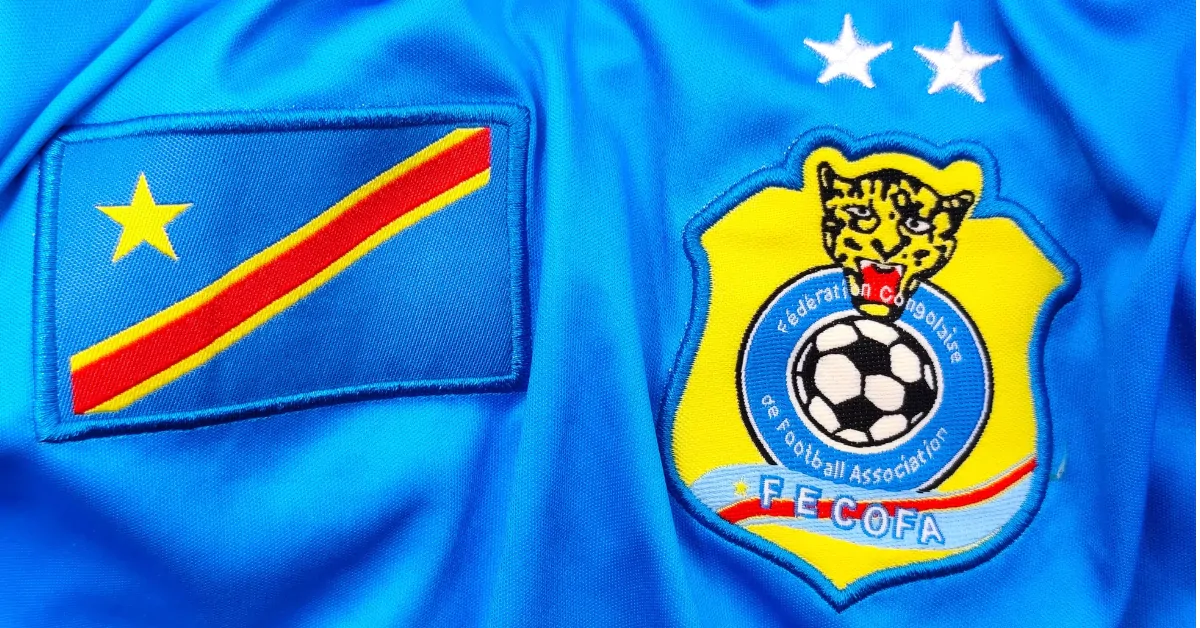
The Congo’s leopard is shown with a falcon on the jersey, a striking image of speed and stealth. The South Korea national team also uses the tiger in its cultural and sporting identity. Yet the Tiger of Love, sometimes called the Siberian tiger or Korean tiger, disappeared from the Korean peninsula in the 20th century. This decline is part of a broader crisis where poaching and habitat loss continually threaten the future of this large feline, which now subsists mainly in the Russian Far East and northeastern China.
Raptors are not spared
Birds of prey are frequently chosen to symbolize speed, agility, and aerial dominance. Several teams display eagles, hawks, or condors.
Equador is associated with the Andean condor, while Saudi Arabia highlights the falcon in its cultural heritage. However, the word “falcon” encompasses many species with different statuses.
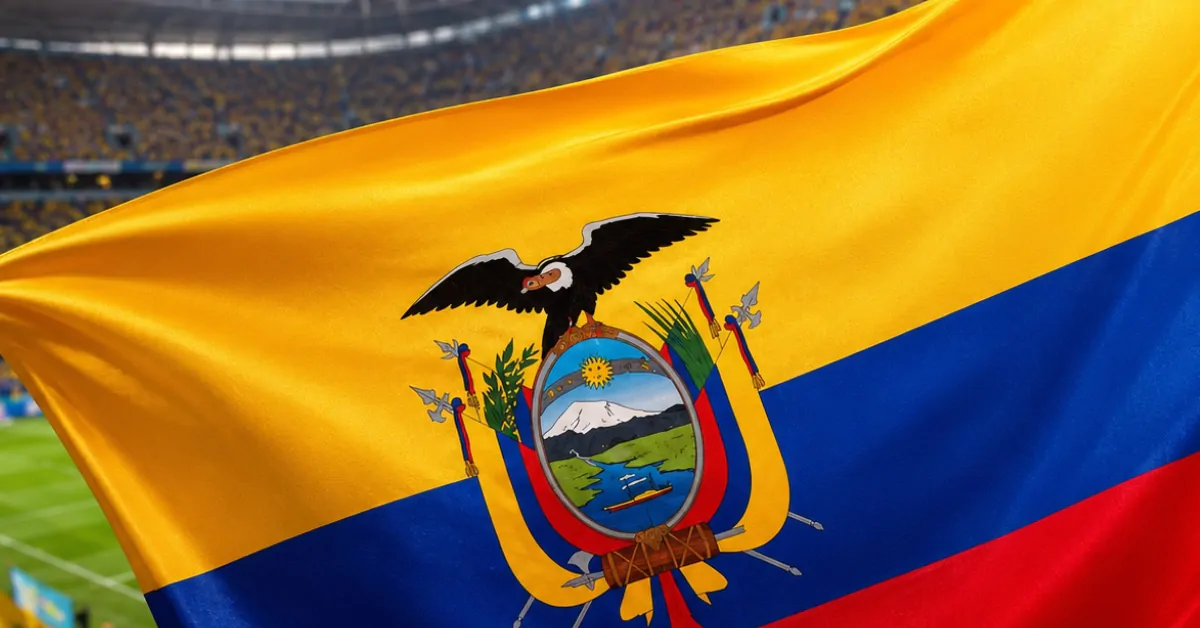
The Andean condor is, for its part, listed as “Vulnerable.” It faces issues such as poisoning, persecution, and dwindling food resources.
Plant symbols revealing fragile ecosystems
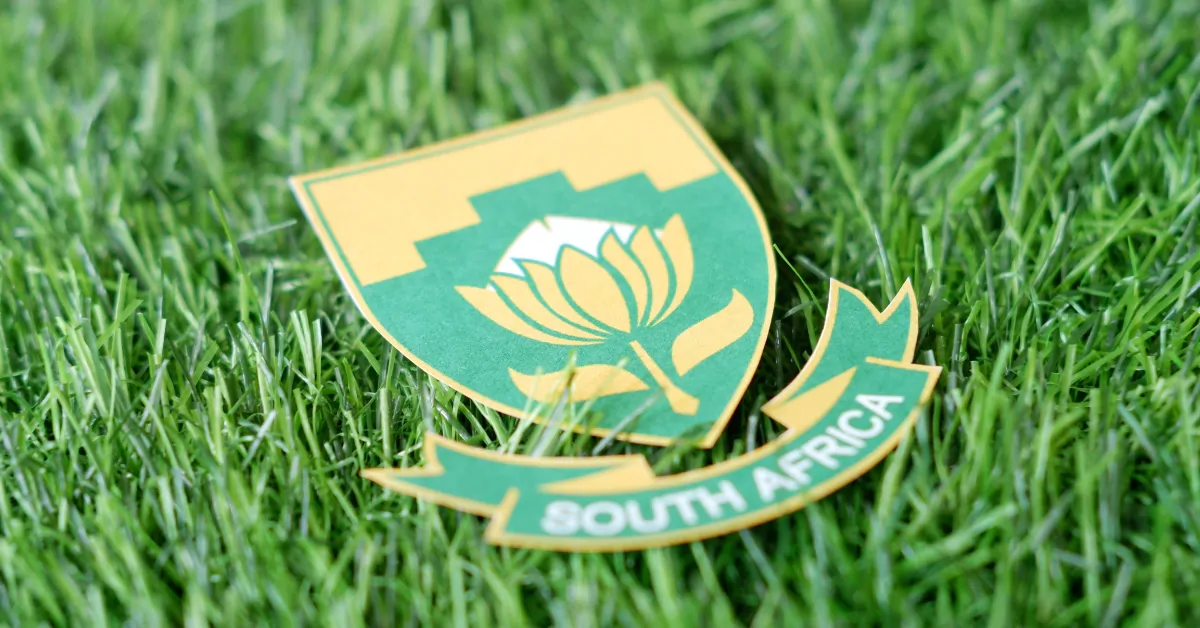
Flora also plays a major role in the footballing imagination. South Africa is represented by the king protea, which has become a national symbol after the end of apartheid.
This flower belongs to a family that is particularly diversified in southern Africa. Several protea species are threatened by urban development, invasive species, frequent fires, and climate change.
The disappearance of a plant is never an isolated phenomenon. It can also disrupt pollinating insects, birds, and other species that depend on its flowers, seeds, or habitat.
Kangaroo, emu and silver fern: species closely tied to their territory
World soccer also spotlights endemic species or those deeply tied to local culture. Australia rests its branding on the kangaroo and the emu, two animals featured on its national coat of arms.
New Zealand uses the silver fern, or silver fern, a plant closely associated with the country’s identity and Maori culture.
Other teams have chosen animals whose species may not be globally threatened, but whose local populations are dwindling. This is the case for the Algerian fennecs, the Cape Verde blue sharks, the Uzbek white wolves, or several eagles tied to national teams.
Poisoning, electrocution on power lines, hunting, trafficking, and habitat destruction are among the main threats facing these animals. This situation underscores the urgency of protecting threatened species to halt the global biodiversity collapse.
From commercial symbol to funding biodiversity
These animals and plants are no longer used solely to build a sports identity. They appear on jerseys, merchandise, advertising campaigns, and social media content. This use generates substantial revenue for federations, clubs, and their partners. The researchers behind The Wild League therefore argue that sport could channel part of that value back to nature.
Several actions could be undertaken:
- fund habitat protection programs;
- form partnerships with local organizations;
- donate a portion of jersey sales to conservation;
- raise awareness among fans during competitions;
- organize joint campaigns among teams sharing the same emblem.
Not all teams derive their symbols from wildlife. France stands out with its famous rooster, while Brazil is associated with the canary.
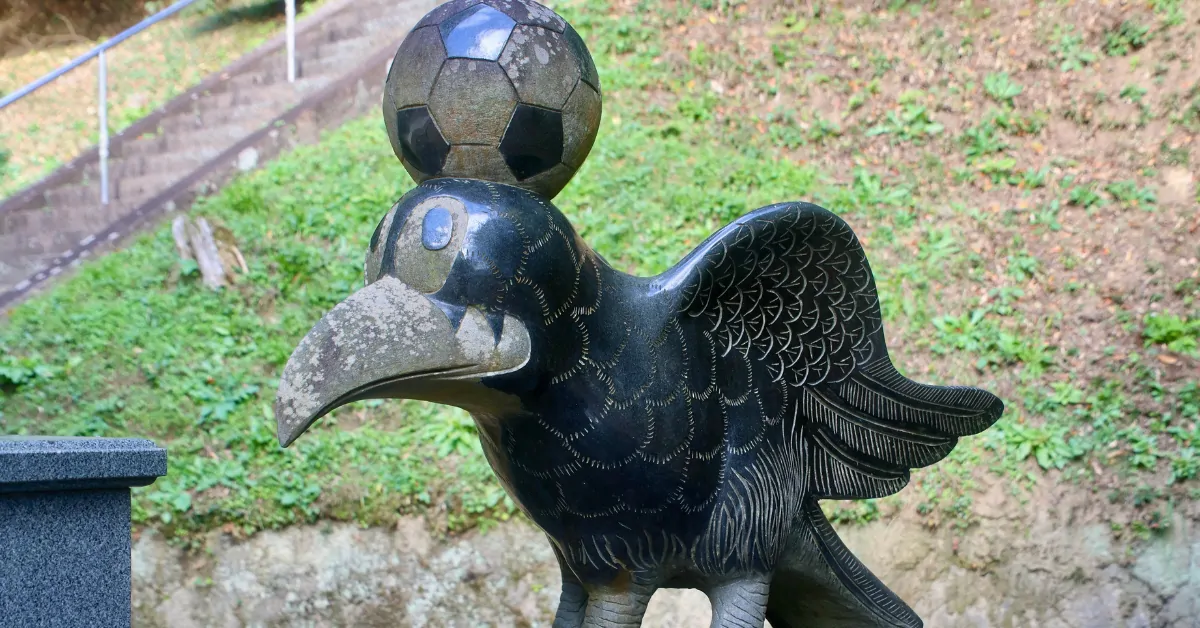
Japan relies on the Yatagarasu, a mythological three-legged crow featured on its federation’s logo. Real, domestic, or legendary, all of these emblems illustrate the central role of nature in the global sports imagination.
The challenge now is to translate this fascination into action. Flouting a lion, an eagle, or an elephant on a jersey will not by itself prevent their disappearance in the wild.
To go further:
Discover our detailed analysis on the current state of wildlife in the face of human activities: The Sixth Mass Extinction is Underway — a Grim Sell-By.
Source: The Wild League
- https://academic.oup.com/bioscience/article/76/1/36/8375155