
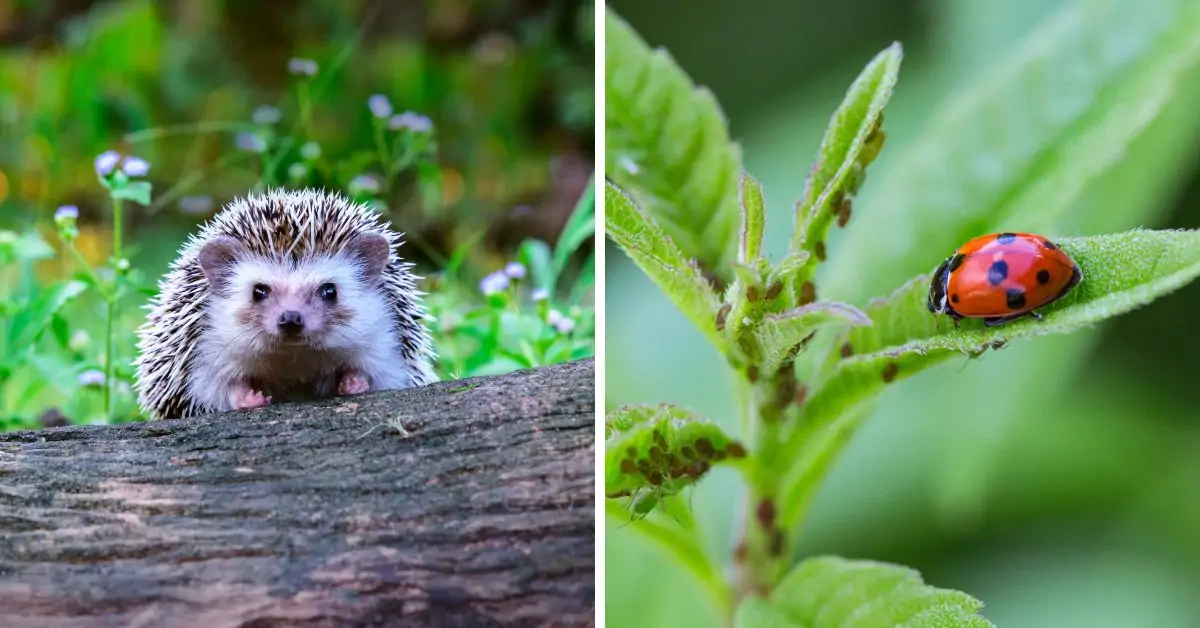
Nobody enjoys facing an aphid invasion or battling slugs in the vegetable garden. The temptation to reach for drastic measures—spraying toxic products to eradicate the pests within a perimeter safe for our crops—is strong. Yet this method is highly controversial, especially since there are several tips for a natural garden. If you want to keep an organic garden and grow vegetables, for example, you can notably use products that are less toxic to the soil, such as nettle tea.
Living in Harmony with Garden Animals: 18 Allies Who Help with Biological Control and Garden Life
We can also consider that most of the living beings in the garden have their place in this microcosm. Chemical treatments run counter to this balance, because they disrupt the entire ecosystem. The paradoxical result is that the gardener ends up having to treat the garden more often, thereby further impoverishing the ecosystem. To fight pests, we should therefore favor supporting natural biological control.
One approach is to release sterile males of the species you want to combat. A substantial release is needed so that females reproduce less. Under glasshouses, this technique is particularly effective, but in practice it is more commonly used to eliminate dangerous populations—such as mosquitoes—than in home settings.
More accessible to the gardener you are, you can also use individuals of another species to fight a certain type of insect. In principle, allies, as they are called, naturally take up residence in the garden, but we can actively help bring them in.
To do this, we encourage the appearance of certain animals through plants, nest boxes, or by building an insect hotel, or even by introducing species a bit artificially into the garden before observing the balance establish itself naturally. Most of the time, these auxiliary animals are entomophagous insects, mite entomophages or parasites.
Not all animals are predators and we should not introduce only predators into the garden. Other species will help preserve the flora. We will therefore distinguish three kinds of auxiliaries, which we present in the rest of the article:
- the decomposers, who convert plant and animal waste into humus;
- the pollinators, who promote plant reproduction by carrying pollen;
- the predators, who eat pests.
Here are 18 highly useful garden allies.
1. The Lacewing in Biological Control
Predator – The common lacewing (Chrysopa perla), also known as the “golden-eyed damsel” (Chrysoperla carnea), plays a very important role in controlling aphids. It is mainly the larva that matters here, because it is carnivorous and feeds on aphids.
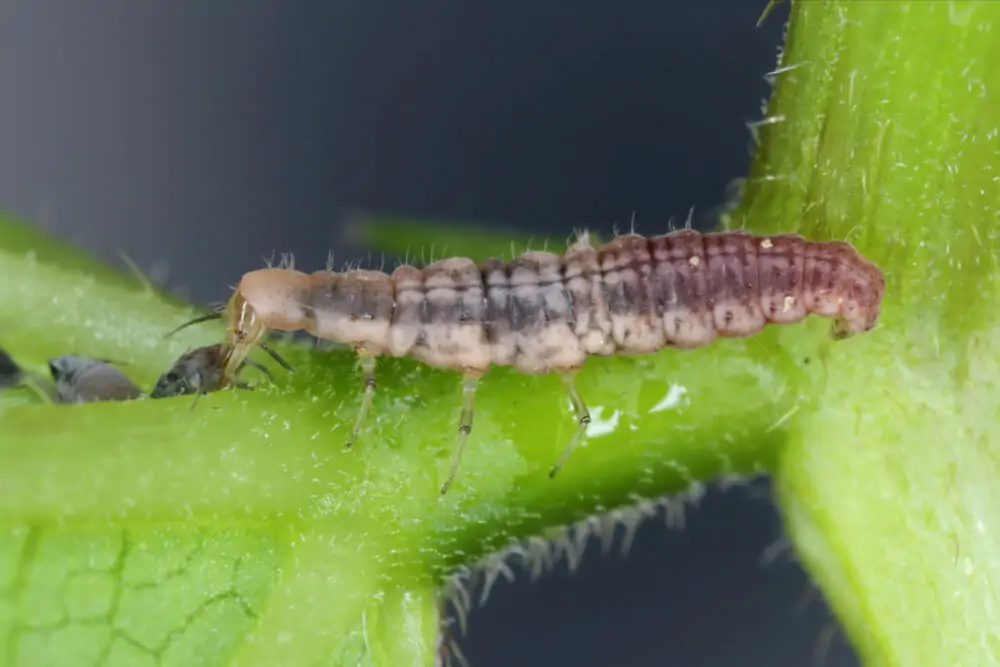
The females lay eggs early in the year, at the end of winter. Each larva will eat hundreds of aphids before reaching the adult stage.
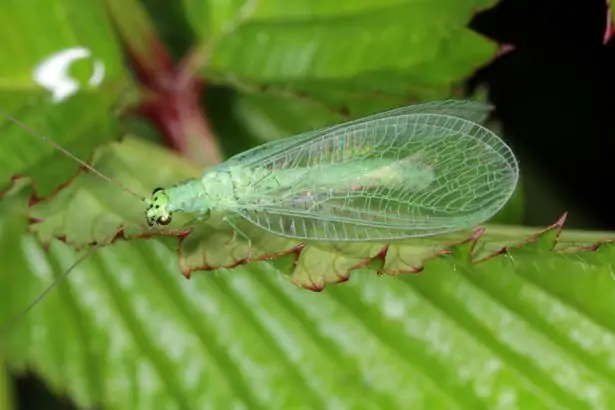
The insect then spends the winter in quiet corners of unheated buildings.
2. The Ladybug Against Aphids
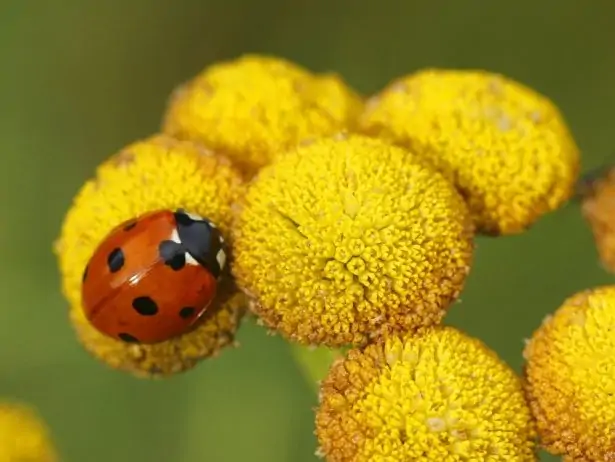
Predator – It’s a well-known fact: the ladybug is one of the sworn enemies of aphids; each of them eats dozens per day. Their larvae will eat up to 150, while adults typically consume nearly a hundred.
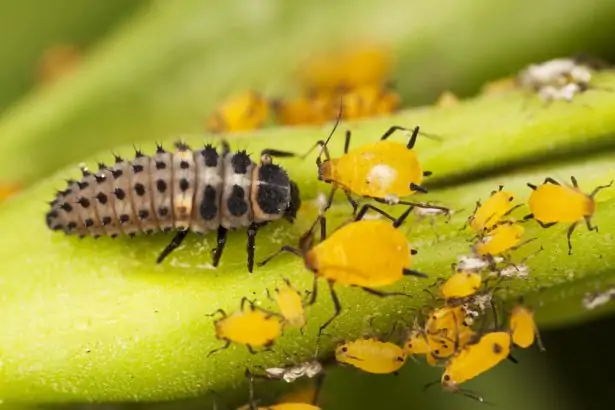
They are active during spring and summer.
To attract ladybugs to the garden, nothing beats tansy, as they love laying their eggs there. You can also plant yarrow.
3. Bees Help the Organic Garden
Pollinator – The bee is also an ally, but its action is in pollination, essential to the organic garden. Wild bees will nest in holes, whether in trees or in rocks. It is also possible to install hives. Each swarm is a society.
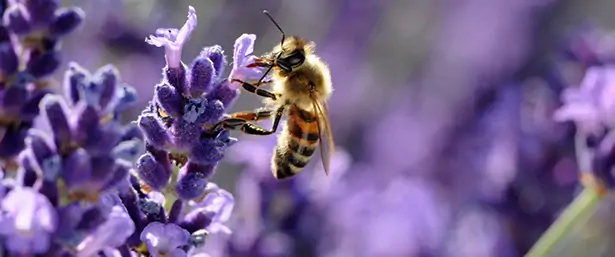
To give it a boost, plant perennials and early-flowering shrubs around your home, such as the male cornelian cherry, mahonia, winter honeysuckle, or heathers…
4. Wasps in Biological Control
Predator and pollinator – Wasps don’t primarily pollinate, though they do so occasionally. To attract them, plant nectar-rich species: fennel, marigolds, mint, or camomile.
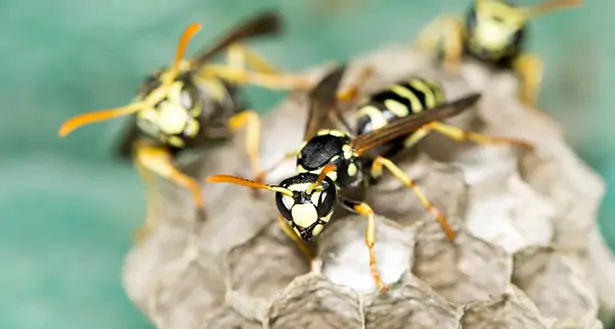
Besides pollination, they kill a good number of insect pests. Some wasps, smaller than others, lay their eggs in caterpillars and aphids.
5. Earthworms Contribute to the Natural Garden Life
Decomposer – These creatures aren’t particularly appetizing, but they have a usefulness that many overlook. For soil aeration, they are the strongest, thanks to the galleries they dig everywhere.
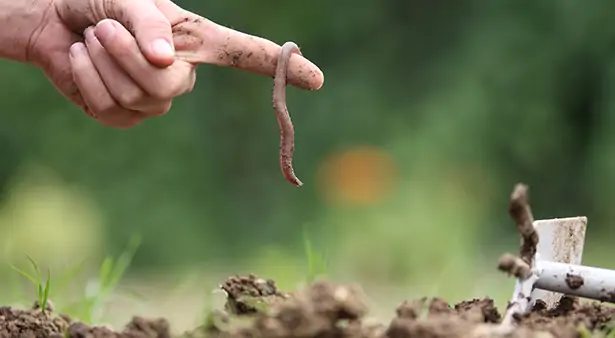
Earthworms feed on plant residues, and their droppings form humus. If you have many earthworms, you have high-quality soil.
To attract them to a spot, dab a bit of vinegar along a border. Conversely, to avoid harming them, work during the warm hours when they retreat deeper to cooler, moister soil.
6. Dragonflies in Biological Control
Predator – Despite their delicate appearance, dragonflies are formidable predators. They devour a large number of insects and small creatures such as worms, gnats, moths, mosquitoes, and even butterflies…
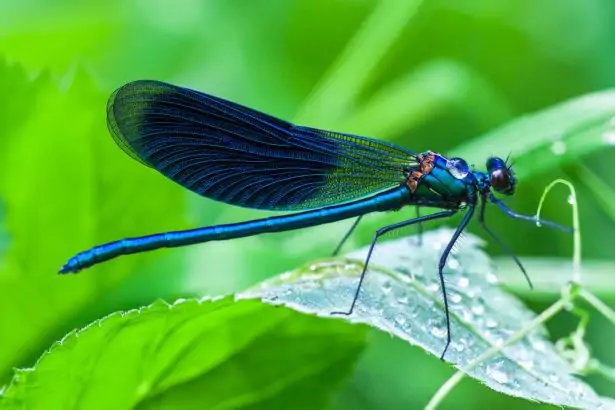
The most effective way to attract them is, of course, to create a natural pond in the garden.
7. Birds Take Part in Biological Control
Predator – Gardeners sometimes fear birds because they tend to nibble seeds as well as insects and worms. In fact, they are excellent garden hunters; species like the robin are particularly fond of slugs and larvae of all kinds.
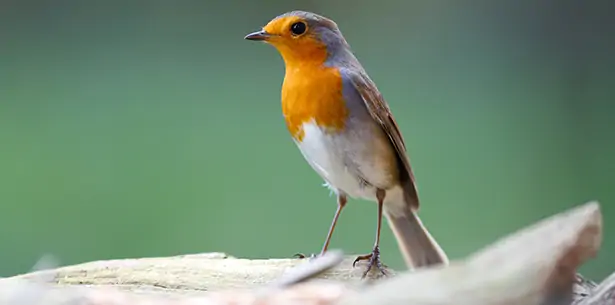
To keep them visiting the garden but touching less of the seeds, plant berry shrubs such as elderberry, which will supplement their diet.
8. Green Grasshoppers in Biological Control
Predator – Primarily carnivorous, it’s common to spot this insect on vegetables in search of small prey. It’s a great boost for ladybugs and hoverflies.
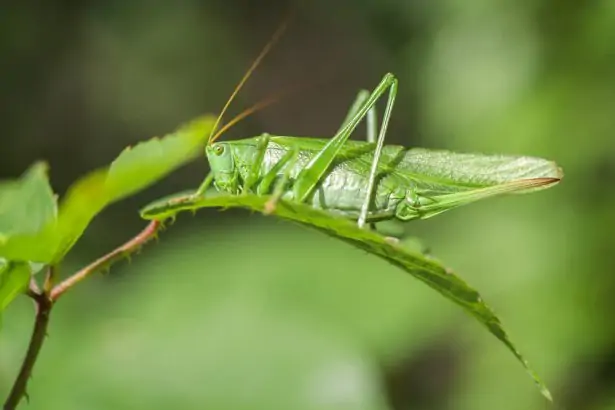
Equipped with a powerful mandible, it doesn’t hesitate to chase down weevil larvae and caterpillars.
At the end of summer, the grasshopper lays eggs in the soil just before dying, so it’s wise not to till the soil where it isn’t necessary in order to protect their offspring.
9. Wall Lizards in Biological Control
Predator – You won’t find lizards everywhere, but in warmer zones you can count on them to settle on walls and attack small insects: flies, caterpillars, crickets, beetles, spiders, butterflies…
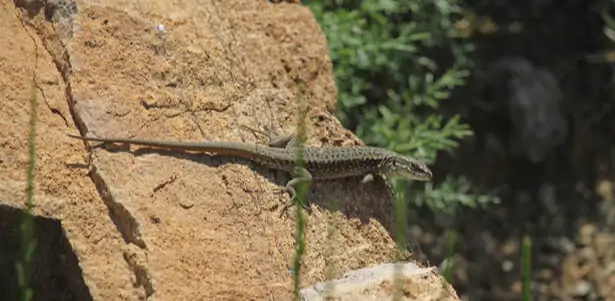
The lizard needs a drink: make sure there is always a water point readily available. If your walls are hollow concrete blocks with no crevices and you have a cat, fix slate stones on battens to give lizards a shelter from their mortal enemy.
10. The Hedgehog for a Very Spiky Biological Control
Predator – The hedgehog is partly threatened in France due to road traffic, but it remains a formidable hunter for regulating populations of spiders, snails, and worms, as well as helping to dispose of animal carcasses.
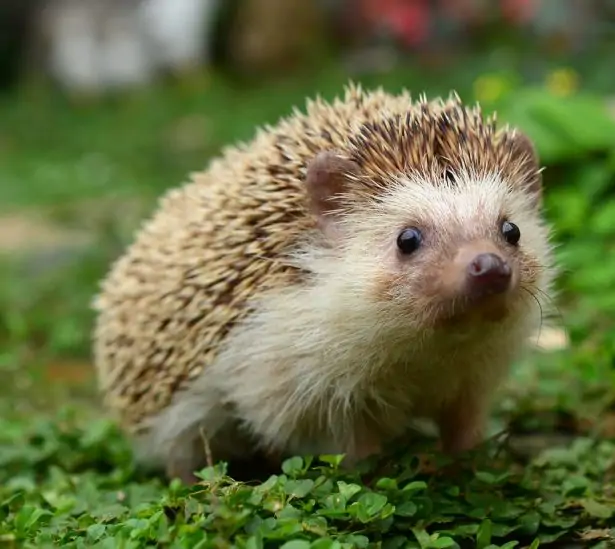
If you see one in the garden, don’t shoo it away!
11. Toads in Biological Control
Predator – You might wish we could say the toad could be a charming gardener, but at least it will feast on slugs.
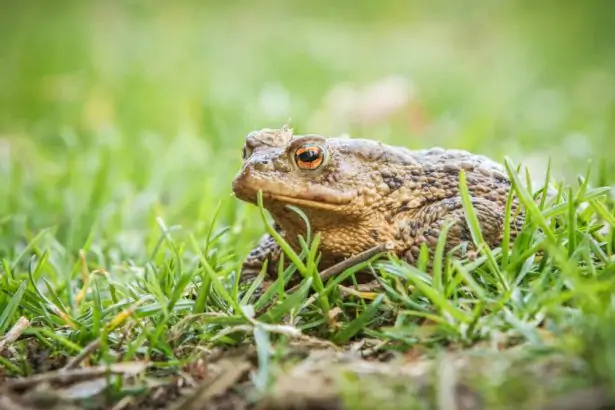
Avoid chasing it away if you see it and let it do its job before it heads off satisfied.
12. Earwigs and Biological Control
Predator – Earwig is a hunter of small insects. It enjoys mites, but also aphids and basically anything that comes along: like the hedgehog, it will feast on what passes nearby.
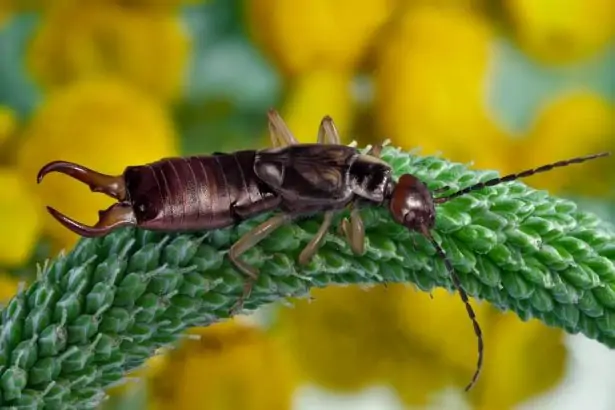
However, gardeners don’t always love them, because with a partially vegetarian diet they attack young seedlings, but also fully ripe fruits, notably peaches, apricots, or plums.
Tip for Better Use of Earwigs in the Orchard
Just before peaches, apricots, plums, or other stone fruits reach ripeness, place pots filled with straw turned upside down in the trees: earwigs will take up residence there, and you can then transfer them to apples or any other plant infested by aphids!
13. The Syrphid Fly Participates in Biological Control
Predator and pollinator – Syrphids are among pollinators, but it is the larvae that interest us most in the organic garden.
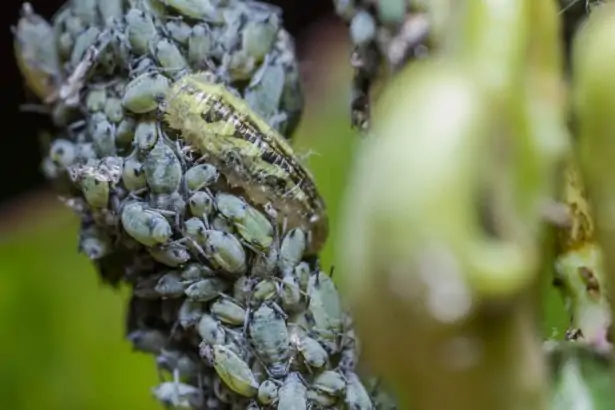
Some species are herbivorous or necrophagous, but most syrphid larvae feed on aphids and even kill them without eating them.
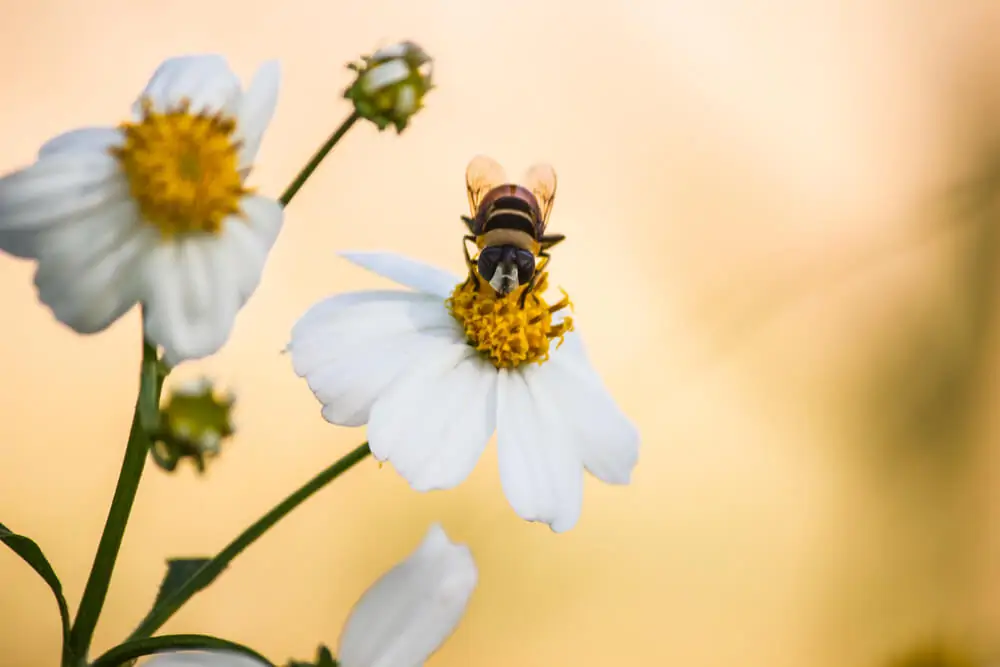
We attract syrphids with fennel, parsley, chervil, carrot, and celery.
14. Bats Are Good Hunters
Predator – If you’re afraid of bats, this fact might change your mind: they are real assets against mosquitoes. They can swallow up to 600 per hour and eat thousands of insects per night.
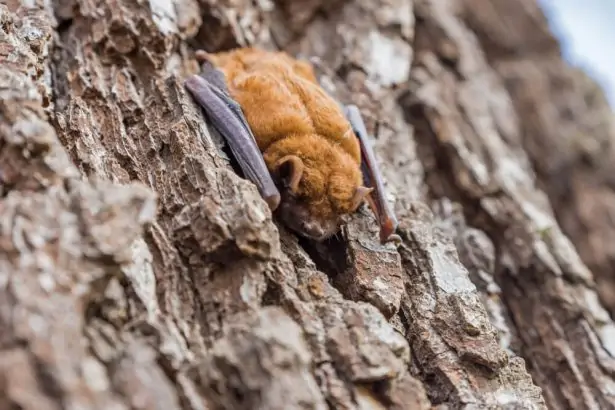
Having a large number of insects nearby naturally attracts bats to your habitat.
They will also be tempted to stay if there is an open and narrow roost or holes in trees. You can consider building a dedicated wooden nesting box.
15. Orb-Weavers and Biological Control: Don’t Chase All the Spiders!
Predator – The word “épeire” actually covers several spiders, which help regulate populations of several pests by feeding on them alive. They weave webs among foliage, which mainly serve to capture flying insects.
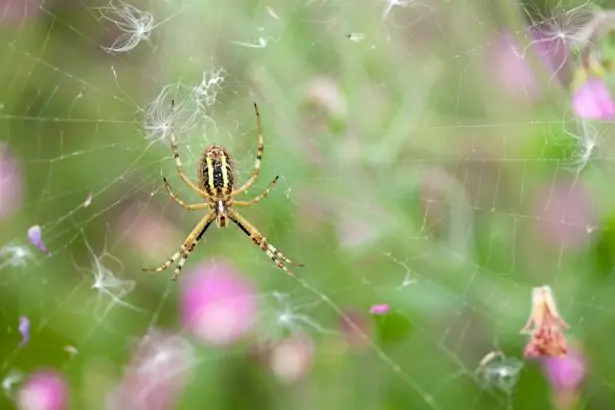
To attract them, nothing beats tall grasses and shrubs.
16. Aphidius, Champion of Biological Control
Predator – This tiny black wasp can go completely unnoticed, yet it is a formidable ally in aphid control. Indeed, the female lays hundreds of eggs inside the bodies of aphids, one egg per aphid. The larva then consumes the inside of the aphid, which dies when the larva becomes an adult aphidius.
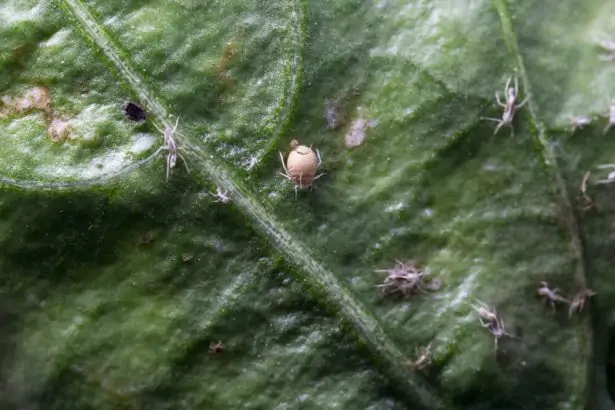
Some species can also parasitize caterpillars of the cabbage white butterfly, noctuids, corn borers, leaf-mining caterpillars, or whiteflies…
To foster them, leave as many aphids and caterpillars on plants that aren’t at risk, and preserve wild plants.
17. Carabids and Biological Control
Predator – The ground beetle is recognized by its elongated body and blue, gold, or purple iridescent reflections. This ally moves quickly on the ground and through the grasses, usually at night, and feeds on slugs, snails, worms, and a variety of insects.
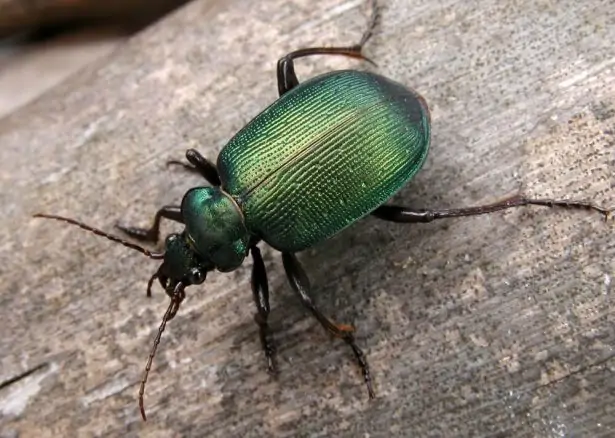
Like syrphids, ground beetles kill a large number of prey without necessarily eating them.
Ground beetles like to hibernate under old logs: to encourage their presence, you can place a roughly decayed log, partially buried, in a corner of the garden.
18. Staphylinids and Biological Control
Predator and decomposer – The rove beetle is carnivorous in adulthood and as a larva, feeding on organic matter as well as on mites, maggots, flies, snails, slugs and their eggs, or scale insects.
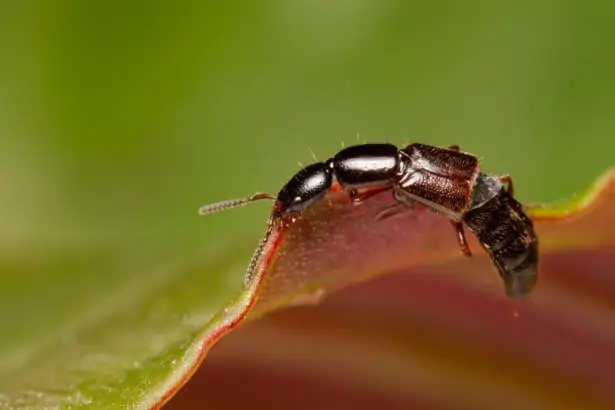
We can attract them by providing permanent shelters, by avoiding too much garden cleaning, and by covering the soil with mulch.