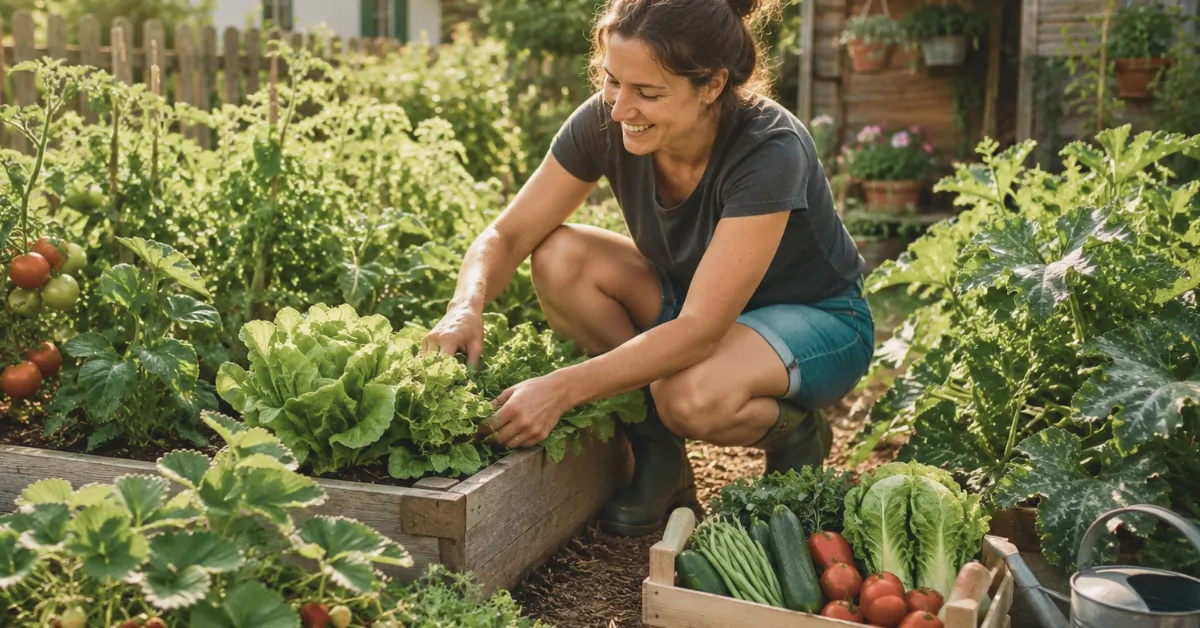
Whether you live in the city with a small outdoor space or you’re fortunate enough to have a garden, growing a vegetable garden lets you enjoy fresh, healthy vegetables and fruit. It’s a little reward that requires effort, since a vegetable garden needs care. Still, some crops grow more easily than others, making them ideal for beginners.
What to Plant in Your First Vegetable Garden?
Some vegetables are known for needing very little care and for delivering a more satisfying harvest, especially when you’re just starting out. To help you ease into your first garden, here are 10 fruits and vegetables that are easiest to grow.
The Easy-to-Grow Veggies and Fruits for a Beginner’s Garden
1- Peppers
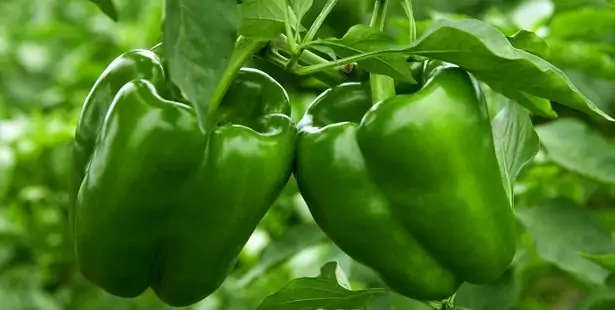
While they benefit from potassium-rich fertilizers for a bigger harvest, peppers are fruits that grow fairly easily in a vegetable garden, especially when planted in a sunny spot.
Space pepper plants about 20–24 inches apart. Be sure to water well in hot, dry weather and harvest fruit as soon as they reach the desired color (red, green, or yellow peppers).
- Seed sowing period: between February and April, indoors in warmth; transplant outdoors in mid-May after the last frost.
- Harvest period: around late July.
2- Cucumbers
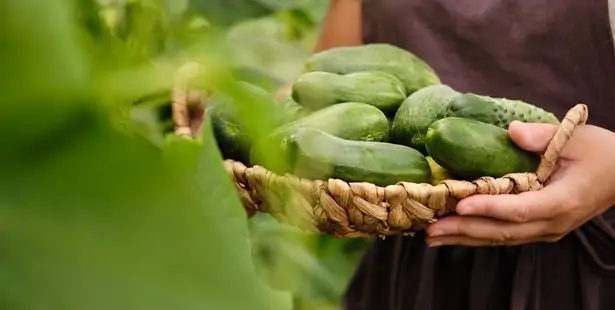
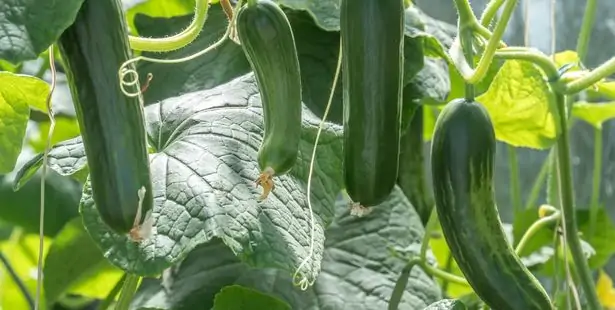
cucumbers are perfect for salads and other summer dishes! These easy-to-grow vegetables tend to trail along the ground, so if your garden space is limited, you might want to train them up trellises.
Outdoor planting is generally done when the seedlings reach about 6 inches tall. Choose a sunny, wind-sheltered site.
- Seed sowing period: March and April under cover; outdoor planting in mid-May after the last frost.
- Harvest period: typically July through September.
3- Sugar snap peas
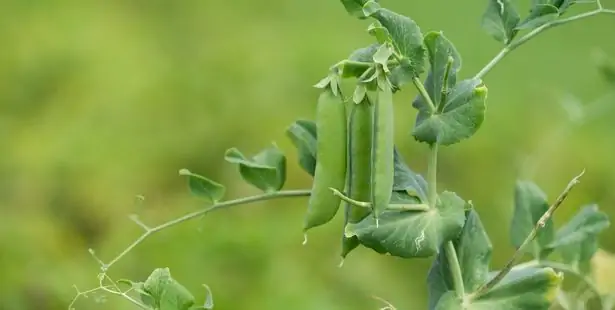
Snow peas, also known as sugar snap peas, grow surprisingly fast, more quickly than regular peas! We also recommend providing stakes or other supports so they can climb upward.
Plant your pea seeds at about 0.2 inches (5 mm) deep, leaving about 2 inches (5 cm) of space between each seed. Sow in rows and avoid planting garlic, onions, or leeks nearby, as they don’t like proximity.
- Seed sowing period: May and June.
- Harvest period: about 80 days after sowing in fresh soil.
4- Kale
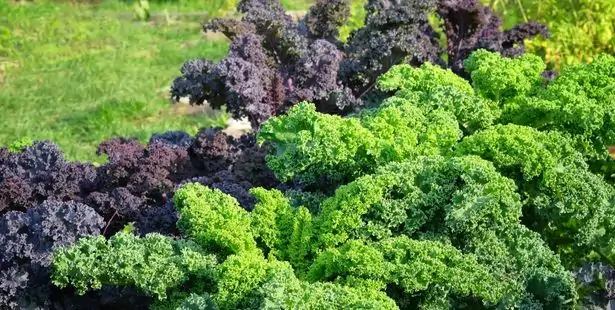
Kale, also known as curly kale or collard greens, is a hearty brassica. This increasingly popular garden vegetable can tolerate cold temperatures, down to about -10 °C (roughly 14 °F). Its exceptional nutritional value (minerals, vitamin C, calcium) earns it a spot as a “superfood,” and kale is also a detoxifying vegetable.
Seedings are sown about 1/4 inch (6 mm) deep and kept evenly moist until germination. Young kale plants should be transplanted outdoors about six weeks after sowing, once they reach about 2 inches tall. Opt for full sun or partial shade.
- Seed sowing period: April through July, excluding frost; transplant outdoors about six weeks after sowing.
- Harvest period: October through December.
5- Green beans
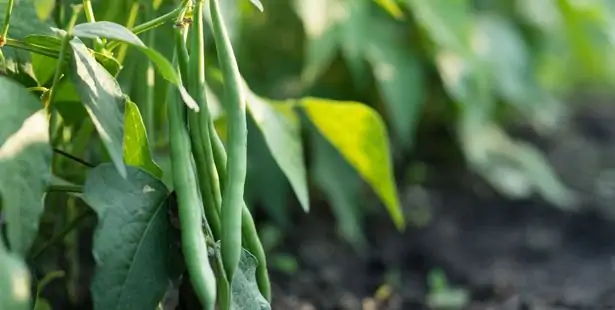
By sowing from May to avoid the last frosts, green beans are relatively easy vegetables to grow that you can enjoy a few months after planting. Climbing beans are a great space saver in the garden. Beans require regular watering, but don’t like consistently wet soil. Choose a sunny spot, as beans thrive in full sun for productive growth.
- Seed sowing period: Spring (after frost) through summer.
- Harvest period: 2–4 months after sowing, depending on varieties.
6- Raspberries
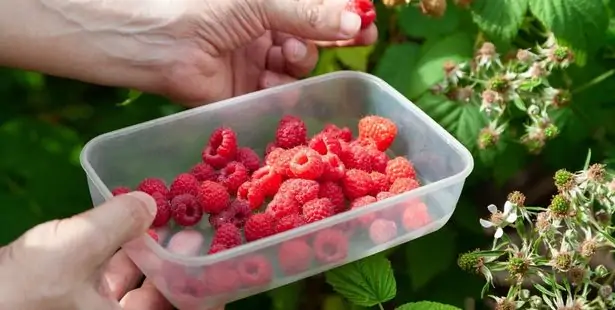
Bare-root raspberry bushes are not fussy and will grow in a range of soils. However, yields will be higher in fertile, cool soil. Raspberry plants also like sun for sweeter berries, so try to space plants about 30 inches (80 cm) apart.
- Planting period: October through April.
- Harvest period: June through September.
7- Zucchini
Notable for their mineral and vitamin content, zucchini are easy to grow in a garden. Be aware that seedlings are not frost-tolerant. Wait until late April to early May to get them in the ground and water them every evening, as zucchini need ample moisture to produce a good harvest. Just avoid wetting the foliage.
- Seed sowing period: Spring (after frost).
- Harvest period: depending on sowing, from June to late August.
8- Carrots
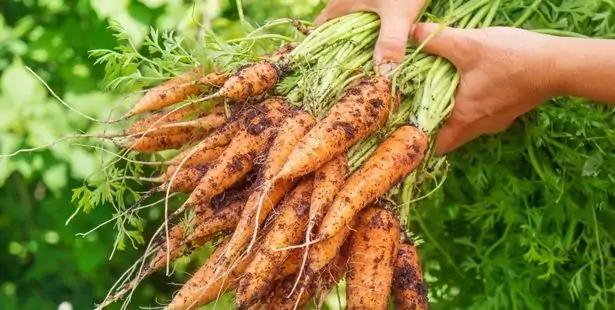
Carrots grow easily in a vegetable garden, especially when they’re given full sun and planted in loose, workable soil so they can grow straight. They do require regular watering, particularly during the first month after sowing. Spread seeds in rows at least 6 inches apart and avoid sowing in May to minimize carrot fly damage.
- Seed sowing period: March through July (avoid May).
- Harvest period: July through November.
9- Strawberries
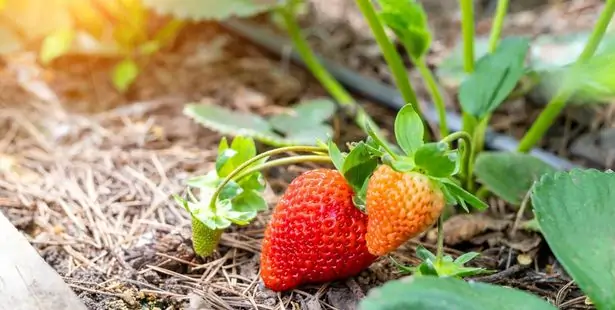
In many regions across the country, strawberries thrive and are therefore a great way to start producing in a garden. Favor sunny to partially shaded exposure and plant in humus-rich soil, ideally silty-clay. Avoid soils that are too calcareous or too wet. Plan for about 4–6 plants per square foot and roughly 12 inches of spacing between each plant.
- Seed sowing period: from summer to autumn, depending on the type of strawberry.
- Harvest period: mostly from April to June, extending to early autumn for some varieties.
10- Oakleaf lettuce
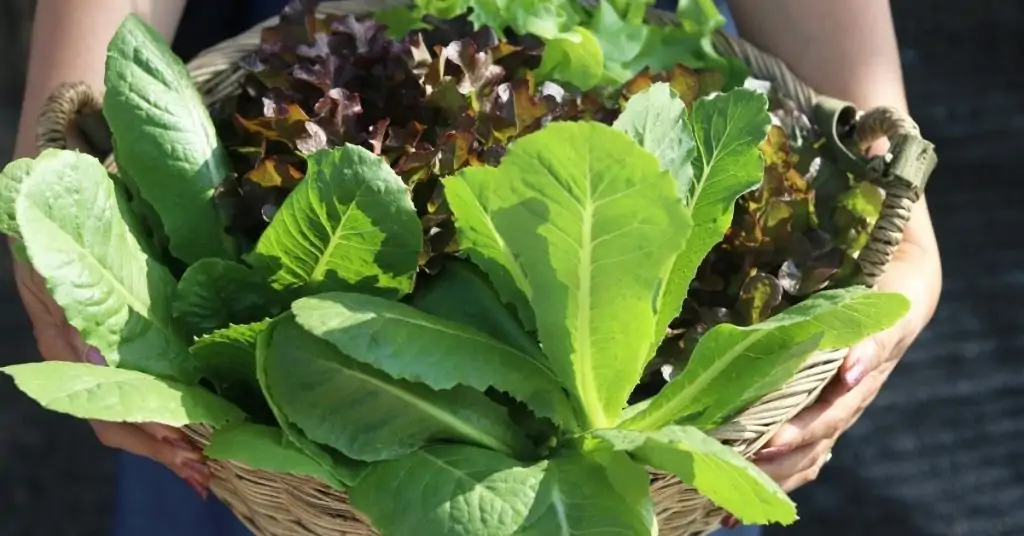
The oakleaf lettuce grows well in spring, summer, and fall. Plant a small, regular succession to harvest over many weeks and avoid overproduction. Leaf lettuce, a garden favorite for beginners, is easy to grow and is sown in rows spaced 6 inches apart. Harvest as you go and thin your plants so you ultimately keep about one every 12 inches. Oakleaf lettuce requires regular watering. When you harvest, cut at the base with a knife, leaving the white stem intact to encourage new growth.
- Seed sowing period: from February to September (outdoors from May in the garden).
- Harvest period: from April to November, as soon as the lettuce forms a nice green clump!
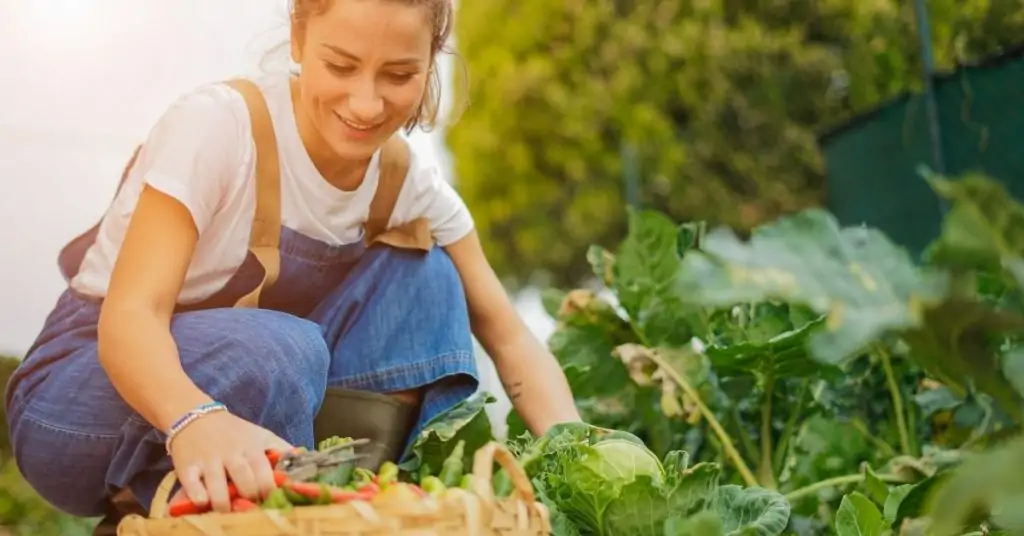
Getting Your Garden Started: A Few Tips for Beginners
Pick the Right Spot for a Vegetable Garden
For optimal vegetable growth, the garden should ideally sit on a flat, sunny area. Whether you choose a traditional in-ground bed or a raised-bed setup, the decision depends on the space you have and the crops you plan to grow. If you’re just starting out, it’s wise not to go too big—you can always expand your garden later.
Sow Less, But Better!
It’s better to begin by sowing and planting in moderate quantities, giving yourself time to observe each crop and learn how best to care for it. Favor vegetables and fruits that are more rugged and quick to bear fruit. They’ll be more forgiving and you’ll experience the satisfaction of your first harvest sooner!
Visit Your Garden Regularly
Regularly visiting the garden should be a pleasure, not a weekly chore. While you don’t need to check on it every night, frequent visits allow you to water as needed and monitor for diseases and pests, making it easier to intervene when problems appear.