
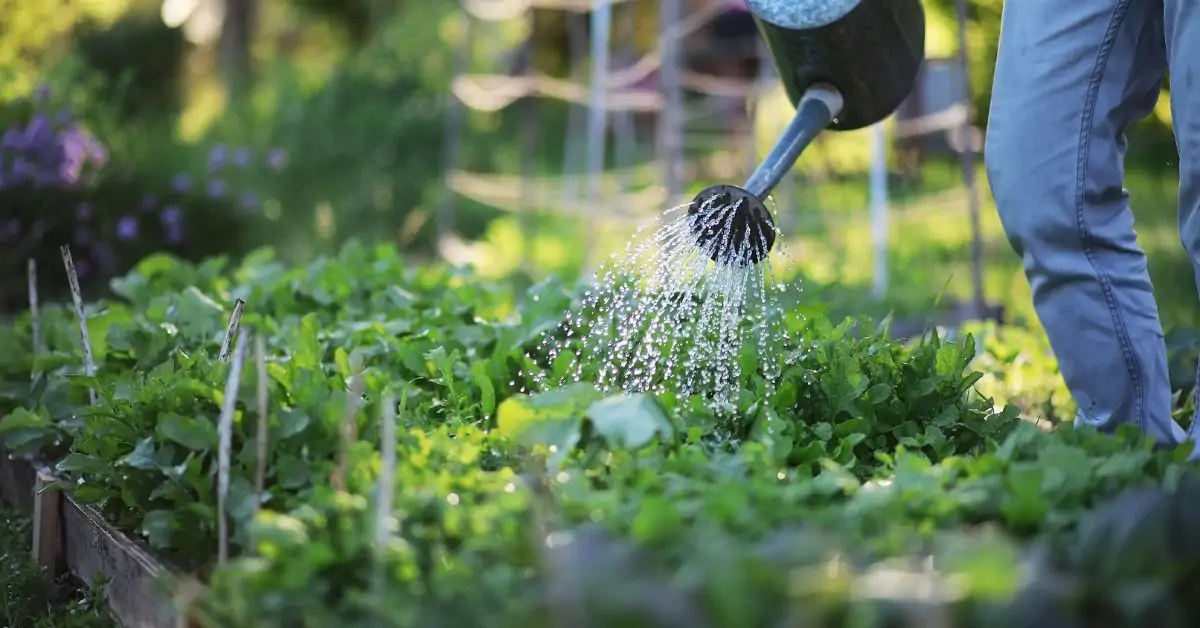
The United States is currently experiencing a new heat wave. In the vegetable garden as well as in the yard, creating shade is essential to help plants withstand these extreme temperatures. That said, you don’t need to invest in complex, hard-to-install systems. Natural solutions exist!
Why protect your vegetable garden from the sun?
You’ve no doubt noticed that while sunlight is, of course, necessary for plant growth, too much sun can also bring crops to a halt. In summer, vegetables and fruits in the garden suffer from stifling heat. When the garden is exposed to full sun, leaves can burn, plants can dry out – even more so with young seedlings – and the soil can dry out quickly. All of this leads to poor harvests, a challenge well known to market farmers.
However, it is possible to soften the intense summer temperatures by shading the crops so they still enjoy good exposure, but without the deadly heat. In summer, properly shading garden plantings is the promise of bountiful harvests! Ideally, aim for a half-shaded situation and keep temperatures between about 68 and 86 °F (20–30 °C).
Shade the vegetable garden must also take into account the fundamental needs of the plants:
- Shading should not hinder proper air circulation;
- Systems that create shade should not prevent rainfall from reaching the crops, which remains the most ecological form of irrigation there is!
- Finally, opting for natural shading solutions is ideal, with environmentally friendly methods. No plastic!
Shade your garden with natural methods
1. Build your own shade net, shade canopy, or shade cloth
Shade structures, also called shade nets or shade cloths have the advantage of protecting plants from direct sun while allowing air to circulate and rainwater to drain down. Other advantages in their favor: they’re often lightweight and easily portable. It’s therefore possible to follow the sun’s movement with them or move them above the most fragile plants. Generally, shade nets deploy quickly, allowing you to install them rapidly when needed.
Drawback: in stores, many garden shade systems are made of plastic (polyester or polyethylene). They’re then more fragile and, above all, not very eco-friendly. It is however possible to make them easily, using recycled materials.
Building a garden shade shelter:
Several types of DIY shade options exist for the garden. It’s possible to simply make one with three sticks and a sheet tied at the ends, which will make a perfect shade shelter for already-taller plants.
Building a seedling shade shelter:
Seedlings and young plants can be protected with lower shade shelters. A piece of chicken wire can do the trick. Get some burlap or another sheet, which you’ll need to fasten on one side of the wire, for example by tying its ends to the wires. Then flex the wire to give it a tunnel shape and place it above your seedlings.
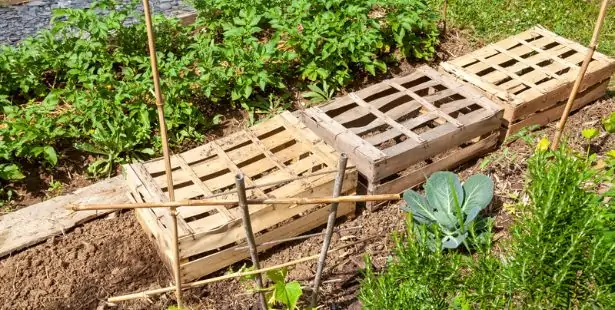
It’s also possible to shade seedlings and young plants with overturned wooden crates, which still allow air to pass while creating shade.
For choosing the fabrics, prefer light colors to absorb less solar radiation.
2. Build a wooden privacy screen to train a suitable climbing plant
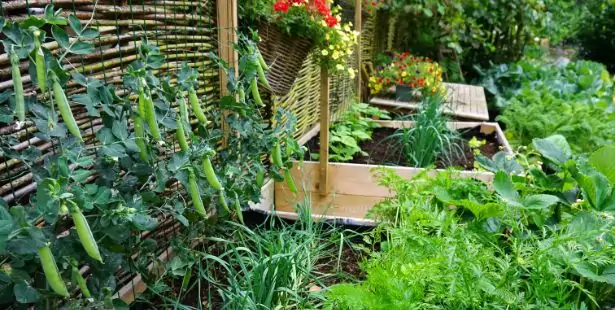
Another natural shading option is to place at the edge or above the garden a wooden structure built from reclaimed materials. While a frame can be bought commercially, you can also build one with four wooden posts tall enough to walk underneath if needed.
To create shade, the top of the structure can be made of straw, which will filter the sun’s rays while letting rain drip through, or a wooden frame that supports a climbing plant. The foliage of that plant will then shade the crops. In this case, opt for sun-loving climbing plants such as wisteria, jasmine, trumpet vine (bignone), pandorea, etc. Even better: why not use the structure to grow vegetables such as beans, or even grapevines?
It is also possible to create living barriers to shade the most fragile crops. To do this, plant fence posts over which a bamboo screen, for example, can run.
3. Naturally shade the garden by pairing the right plants
Finally, to naturally shade the garden, permaculture is ideal. By pairing the right plants, you can shade the most delicate crops. For example, plant corn next to squash so their height provides shade to the ones that stay on the ground. Note that a sprawling squash on the ground helps keep the soil cooler and moister.
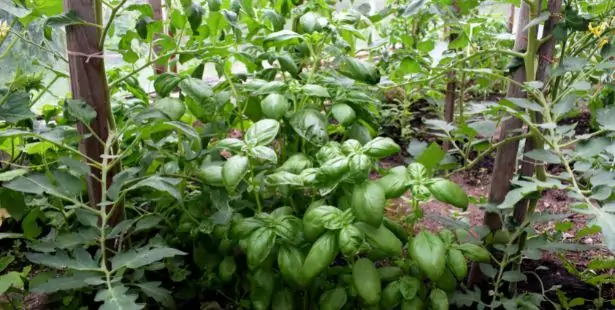
In the same vein, sunflowers planted in the garden provide welcome shade for cabbage, turnips, or cucumbers. As for lettuce, it can shield its more fragile seedlings from direct sun. Another permaculture example for the garden: plant basil beside tomatoes so the tomatoes shade the basil’s leaves from the strong sun. Planting basil next to tomatoes can also boost tomato production. It’s also worth noting that wild strawberries enjoy the shade of leeks and carrots!
4. Start planting fruit trees and deciduous shrubs now
Finally, a good way to create natural shade in the garden is to plant fruit trees and other deciduous trees or shrubs, which after a few years will shade the crops while offering fruit for some!