
With hotter, drier summers and watering restrictions, the garden must learn to live with less water. Xeriscaping invites a rethink of plantings, soil, and irrigation to limit needs without sacrificing blooms.
This approach isn’t about turning your yard into a barren desert. It’s about creating a climate-appropriate garden that’s more resilient and easier to maintain.
Key takeaways
- Xeriscaping reduces water needs through drought-tolerant plants and a well-protected soil.
- Plants should be grouped according to their irrigation needs.
- Mulching, lawn reduction, and targeted watering are essential.
- A low-water garden can stay colorful, lively, and welcoming to biodiversity.
Xeriscaping: what is this water‑savvy garden?
The word xéropaysagisme combines the ancient Greek xeros, meaning “dry,” with the word landscape. It designates a design approach conceived to use water as efficiently as possible.
The English term xeriscape was coined in 1981 by Denver Water, in the United States. The approach then spread to many regions facing drought.
Contrary to a common stereotype, a xeriscaped garden isn’t necessarily filled with cacti and pebbles. It can host flowering borders, shrubs, herbs, and even a few trees.
Its core idea rests on several complementary choices: assess the site, select appropriate plants, improve the soil, limit the lawn, mulch, and water only when needed.
Choosing drought‑tolerant plants
Not all plants drink in the same way. The first step is therefore to select species capable of thriving in your local conditions.
The local plants that are well suited to your soil and climate are often the most appropriate. Once established, they typically withstand dry spells better. They also provide resources for pollinators and small wildlife.
Plants from Mediterranean climates, cliffside habitats, rock gardens, and coastal regions are also of interest. Their tough, silvery or slender foliage often minimizes water loss.
Among perennials and aromatic herbs to consider are notably:
- lavenders, thymes, oregano, and some sages;
- achilleas, euphorbias, and gaura;
- sedums, stonecrops, agaves, and aloes;
- irises, poppies, valerian, and certain echinaceas.
Some succulent plants grown in pots can also space out irrigation. For example, you can learn to propagate a hoya to multiply your collection without buying more.
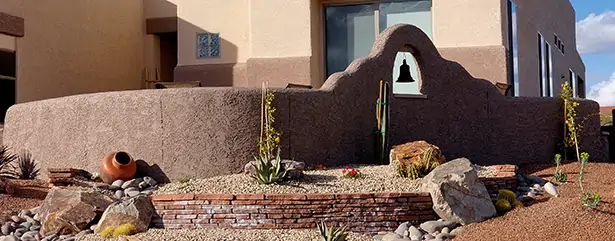
For shrubs, cistus, rosemaries, filaires, strawberry trees, ceanothuses, and some artemisias may fit well. Their hardiness, however, depends on the region.
Avoid planting buddleia without researching the cultivar first. Some species can be invasive and spread into natural habitats.
For trees, favor varieties suited to your climate and space. Montpellier maple, holm oak, olive tree, or sycamore (micocoulier) may work in certain regions. The willow, by contrast, prefers moist soils and isn’t suited to a dry garden.
Attention – A plant reputed to be drought-tolerant still needs watering during its establishment. Depending on species and climate, this support can last one to two growing seasons.
Some plants that tolerate reduced moisture
This list is indicative. Always check each plant’s hardiness, soil preferences, and any potential invasiveness in your area.
- Thyme (Thymus vulgaris), to harvest and use in cooking;
- true lavender (Lavandula angustifolia), provided you know how to care for lavender;
- houseleek (Sempervivum tectorum);
- aromatic sumac (Rhus aromatica);
- aromatic aster (Symphyotrichum oblongifolium);
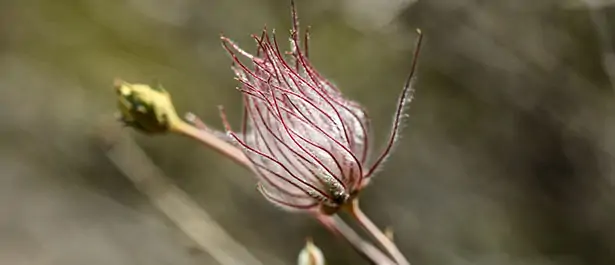
- pale purple coneflower (Echinacea pallida);
- Liatris (Liatris aspera);
- Dianthus (carnations) of the genus;
- Alder-leafed serviceberry (Amelanchier alnifolia);
- Aloe, including Aloe vera, best in frost-free regions or grown in pots.
Organizing the garden by water needs
In a waterwise garden, plants aren’t scattered at random. They’re grouped into zones based on exposure and irrigation demands.
Place the toughest, most drought-tolerant species in hot, dry, and full-sun areas. Reserve shadier, wind-protected spots or areas near downspouts for the thirstier plants.
This arrangement prevents watering an entire area only to satisfy a few plants. It also helps you take advantage of microclimates created by walls, hedges, and trees.
You can also gently sculpt the ground to slow rainwater runoff. Small basins around plantings encourage infiltration. They must not direct water toward foundations or neighboring lots.
Analyzing and preparing the soil before planting
A waterwise garden starts beneath the surface. Before planting, study the soil’s texture, depth, and drainage. You can also test the soil pH.
Clay soils hold moisture but can become compact and suffocating. Conversely, very sandy soils drain quickly.
In either case, a reasonable amount of well‑mature compost gradually improves soil structure. Avoid peat, whose extraction harms carbon-rich, biodiversity‑rich natural habitats.
That said, you don’t need to overhaul your soil completely. Choosing plants that are well suited to your existing soil is often simpler and more eco-friendly than piling on soil amendments.
Mulching to limit evaporation
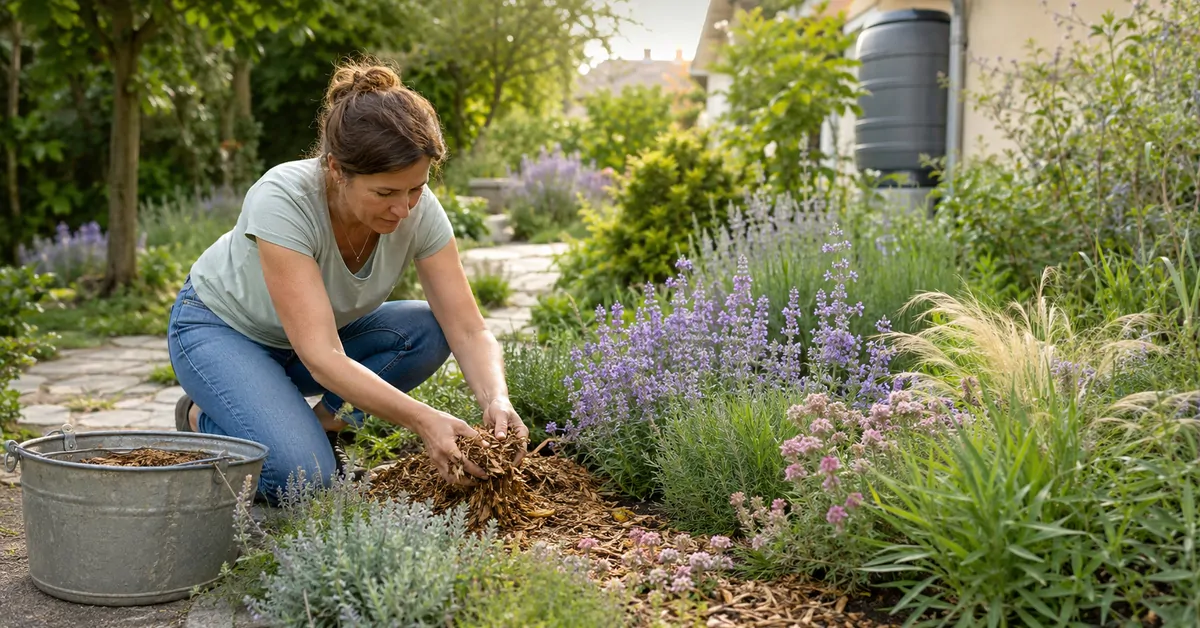
Mulching is almost essential for saving water. It slows evaporation, protects soil life, and reduces weed competition.
You can use fallen leaves, chipped branches, straw, dried grass clippings, or coarse compost. Refresh this cover as it decomposes.
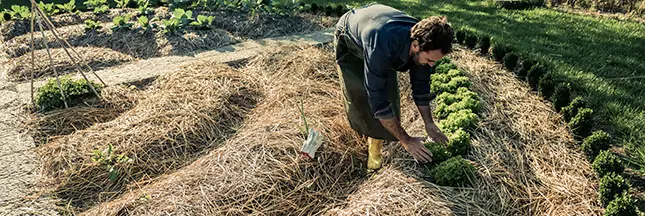
A good mulch and well‑decomposed compost help soil absorb water more effectively. They also reduce runoff during heavy rains.
Rocks and gravels suit rock gardens, but they can accumulate a lot of heat. In regular garden borders, a plant‑friendly mulch generally protects the soil better and nourishes soil organisms.
Which irrigation to choose in a xeriscaped garden?
A waterwise garden doesn’t mean zero irrigation. Young plantings, edible gardens, and long droughts may require occasional watering.
Choosing the right irrigation technique makes a big difference. Drip irrigation, porous tubing, and hand watering at the base target the roots directly.
Sprinkling is less precise. It wets pathways, leaves, and areas that don’t need water. It should be used sparingly and only on calm days.
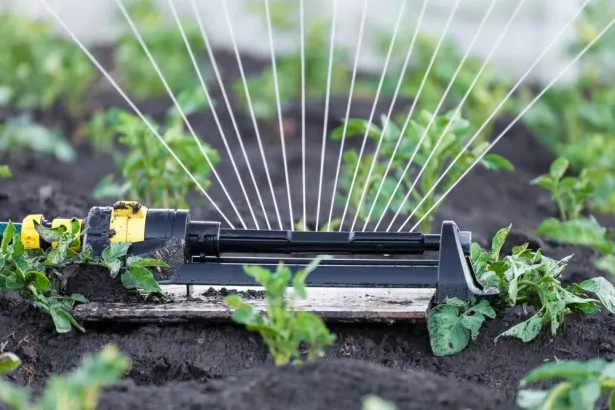
Water slowly and deeply rather than frequently and shallowly. Deep watering encourages roots to grow downward.
Do this early in the morning or late in the evening when temperatures are cooler. Avoid the heat of the day and windy days when evaporation is high.
Best practice – Before you water, push your finger or a small trowel into the soil. A dry surface can hide moisture a few inches below.
Reducing the lawn to save water
A lawn that’s regularly mowed and kept green in summer requires a lot of water. Xeriscaping therefore invites cutting lawn area and reserving turf for areas you actually use.
You can replace part of the lawn with a flowering meadow, ground covers, mass plantings, or permeable paths. A zone of spontaneous grasses left a bit taller also provides a habitat for many insects.
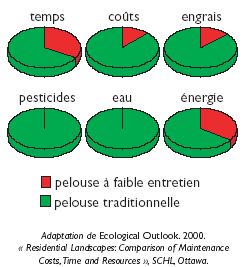
If you wish to keep a lawn, choose a climate- and soil-appropriate mix. Some fine fescues, together with clover, tolerate dry spells better and require fewer mowings.
Also raise the mowing height. A somewhat taller lawn shades the soil, encourages deeper rooting, and better resists heat.
How to care for a dry garden?
Once well established, a xeriscaped garden typically needs less watering and mowing. That said, it isn’t completely maintenance-free.
During the first years, monitor young plants and remove unwanted species before they compete with the transplants. Regularly refresh the mulch and prune only when it’s beneficial.
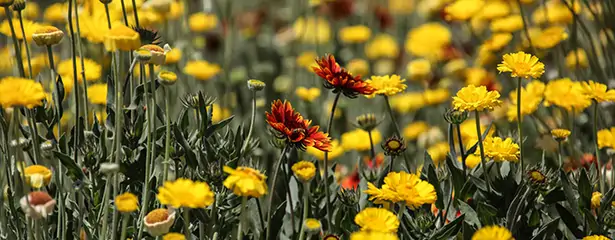
Plants that are well adapted to the site are often sturdier and may require fewer treatments. That said, they aren’t completely immune to pests or diseases.
Diversify plantings and practice companion planting. Avoid routine, systemic treatments that disrupt natural garden helpers.
Harvesting rainwater for remaining needs
Even in a very water-smart garden, a few irrigation sessions may remain necessary. A rainwater collection system helps cut the use of potable water.

Set the tank on a stable base, equip it with a lid, and keep it out of reach of small children. A simple filter prevents leaves and debris from entering.
Water collected without connection to indoor plumbing can be used to irrigate the vegetable garden and green spaces. It should not be consumed or used for food preparation.
Finally, always check your town’s water restrictions. They may govern watering times or temporarily ban irrigation, even with rainwater, depending on local ordinances.
By combining drought‑tolerant plants, mulch, lawn reduction, and targeted watering, xeriscaping enables a garden to become more self-sufficient. It also lightens maintenance and water bills while keeping an outdoor space that’s pleasant to live with.