
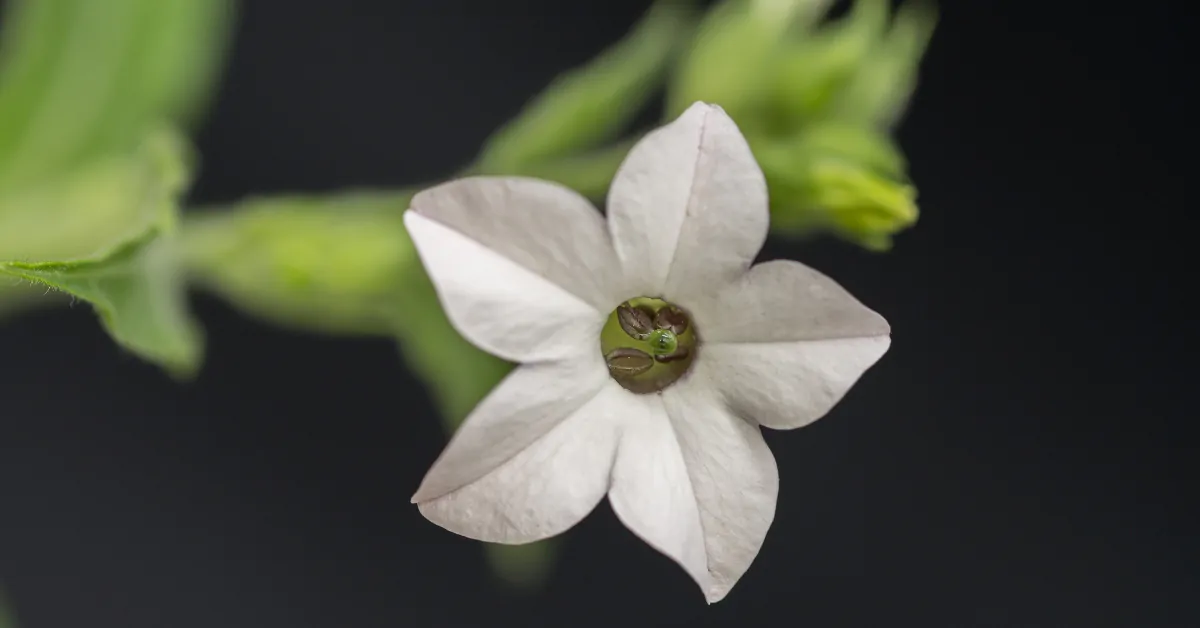
As the sun sets, some flowers close their petals. Others are just waking up, beginning their day. Nocturnal gardening allows you to enjoy surprising blooms, often fragrant and friendly to pollinators. It’s also called a “moon garden.” It pairs night-blooming plants, silvery foliage, and pale colors. Here’s how to create this living display, even on a balcony.
Why do some plants bloom at night?
Not all night-blooming flowers follow the exact same rhythm. Some open at dusk and wither by morning. Others stay open but emit more fragrance in the evening.
This strategy attracts pollinators active after sunset. Moths, beetles, and other insects come to seek nectar. Nocturnal pollination has been studied less than bee pollination, but it plays a role for many wild and cultivated plants.
Night-blooming flowers are often white or very pale. They remain visible in dim light. Their strong fragrance also serves as an olfactory signal.
What plants bloom at night?
The Evening Primrose, the classic of night gardening
The biennial evening primrose, or Oenothera biennis, produces large yellow flowers. They open at dusk, sometimes within minutes. They usually close again when the sun returns. Their fragrance attracts moths in particular. The biennial evening primrose flower is edible and can be eaten fresh.
The evening primrose enjoys:
- full sun;
- light, well-drained soil;
- limited watering after restart;
- a location where it can reseed.
This hardy plant is well suited to naturalistic gardens and poor soils.
The Four O’Clock Flower, faithful to the rendezvous
The four o’clock flower, Mirabilis jalapa, lives up to its name. Its trumpet-shaped blossoms open in late afternoon. They stay open for a large portion of the night. Pink, yellow, white, or variegated, it brings a lot of color. It thrives in sun and fertile, well-drained soil.
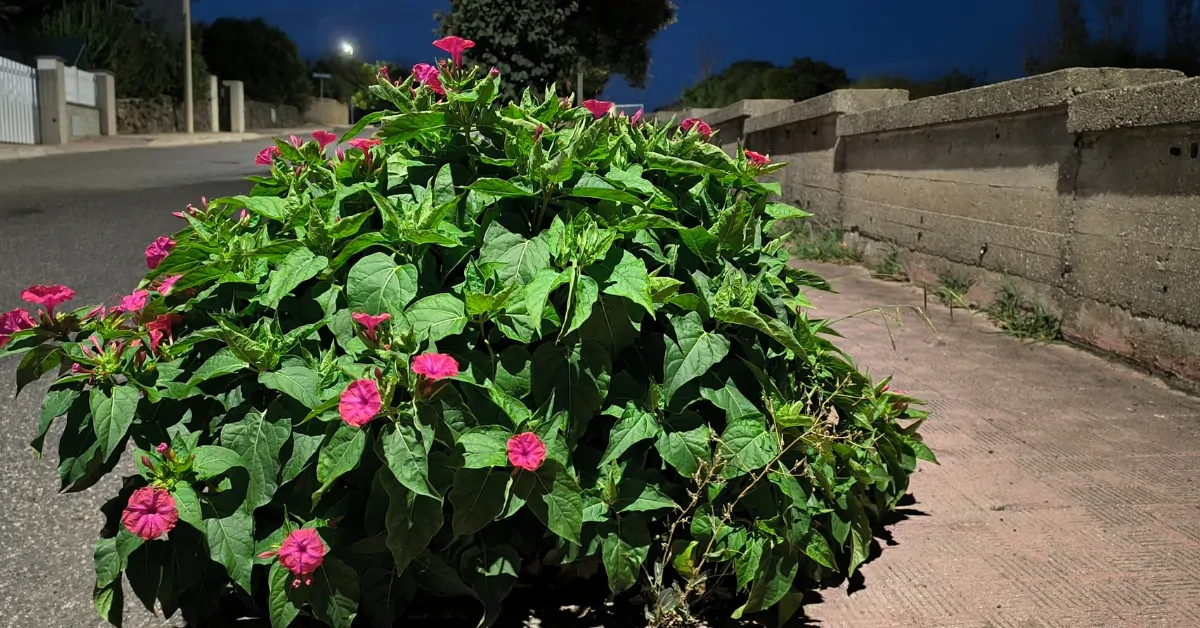
Not very hardy; its root stock should be protected from severe frosts. You can also grow it as an annual.
Note: its seeds and roots should not be ingested. Keep out of reach of young children.
The Ornamental Tobacco, fragrance champion
The ornamental tobacco, notably Nicotiana alata, has tubular flowers that are highly fragrant. Their scent becomes particularly noticeable in the evening. The plant prefers cool, rich, well-drained soil. It blooms generously in mild sun or in light shade.
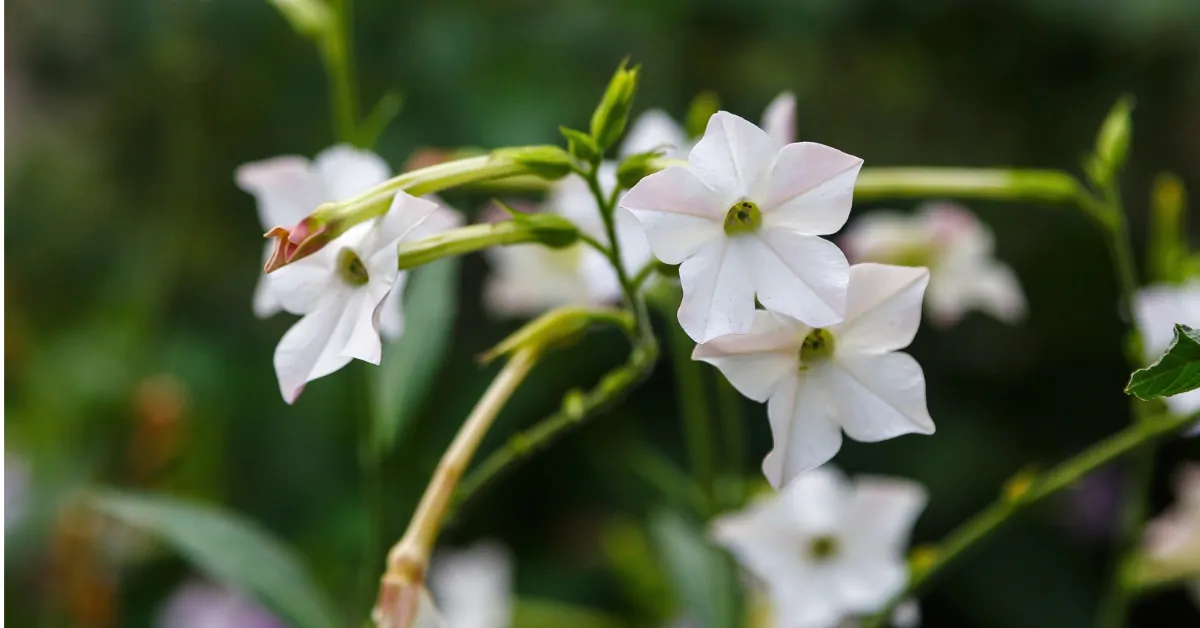
Plant it near a terrace, a window, or a walkway. Its fragrance will be easier to enjoy there.
The ornamental tobacco is among the plants recommended to feed nocturnal moths.
All parts of the plant are toxic if ingested. Wear gloves if you have sensitive skin.
The White Moonflower, a spectacular night-blooming bloom
The white moonflower, Ipomoea alba, is a tropical climber. Its large white corollas open in the evening and spread a delicate fragrance.

It requires a lot of warmth, sun, and a sturdy support. In most regions of the United States, it’s grown as an annual.
Sow it warm in spring. Plant it outside after the last frosts. Its seeds are toxic and should never be eaten.
The Night-Blooming Cactus, queen of the night
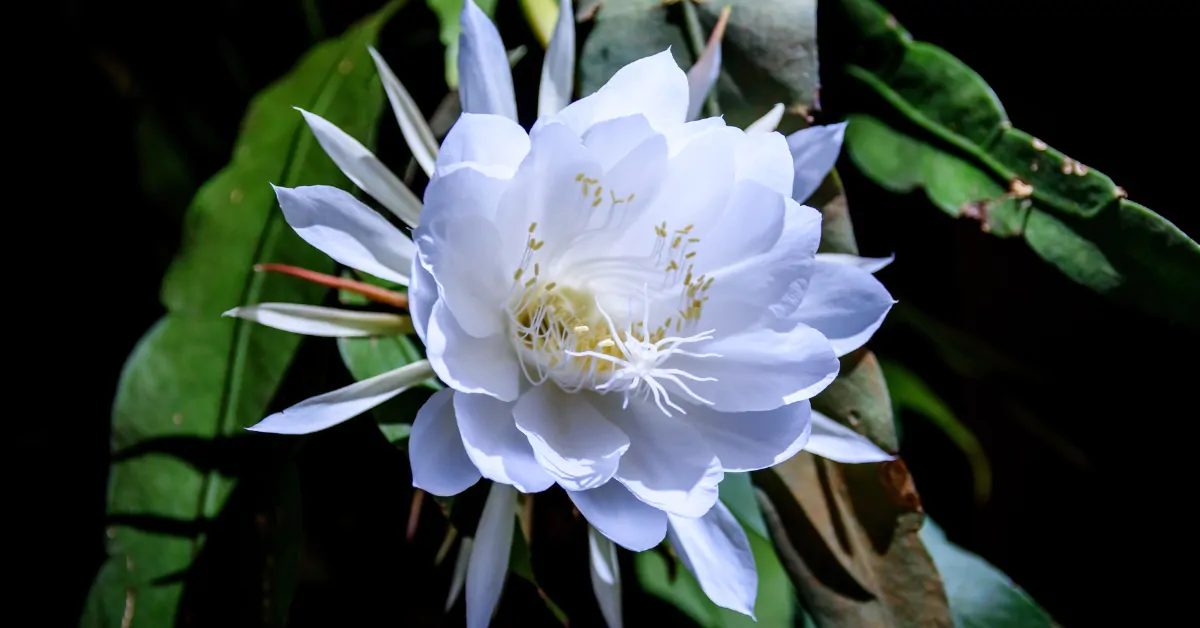
Epiphyllum oxypetalum is reserved for patient gardeners. This cactus produces an enormous white, fragrant flower. It opens at night and often lasts only one night.
The plant is usually grown in a pot, in a sunroom or a bright room. It appreciates soft light and a very well-draining substrate. Its flowering is rare, but the spectacle is worth the wait.
Fragrant flowers that extend the evening
Some species don’t bloom only at night. Their fragrance becomes much stronger after sunset.
You can especially plant:
- wood honeysuckle;
- lady’s bedstraw;
- common jasmine in milder regions;
- phlox paniculata;
- evening stock.
By combining these plants with true night-blooming flowers, the garden will stay perfumed throughout the evening.
How to lay out a night garden?
Group the most fragrant plants near resting areas. A terrace or bench becomes a prime viewing post.
Also choose white, cream, or pale yellow blooms. Add silvery foliage, such as wormwood or woolly lamb’s ear. These colors reflect moonlight better. They help structure the garden without multiplying lighting.
What to remember
A night garden should engage several senses. Pair pale flowers, fragrances, soft foliage, and the rustle of grasses. Also stagger bloom times from spring through fall.
Protecting nocturnal pollinators
A truly ecological night garden must remain truly dark. Permanent lighting disrupts the movements, hunting, and reproduction of many species.
The French Office for Biodiversity recommends limiting the duration and intensity of outdoor lighting. It also suggests directing light toward the ground.
Avoid pesticides, even organic, during flowering. Also keep some tall grasses, a varied hedge, and fallen leaves.
These refuges welcome caterpillars and adult insects. A shallow water source can complete this environment.
So nocturnal gardening isn’t just about planting pretty flowers. It’s about rediscovering a living garden that thrives, smells, and moves after dusk.
Also read
- Light pollution: why relearning darkness is vital
- Night lighting: what effects on insects?
- These beneficial creatures that naturally protect the garden
- https://ofb.gouv.fr/actions-citoyennes/limiter-nos-eclairages-exterieurs