
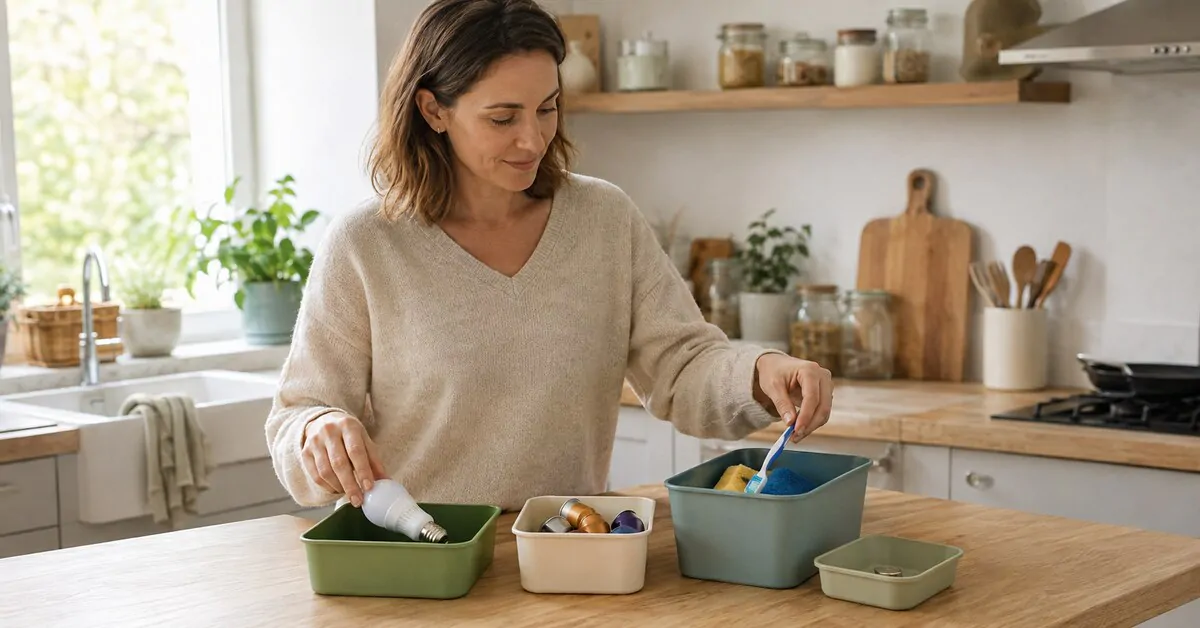
A CFL or LED bulb is made up of 85% recyclable materials. Yet it still ends up in the regular trash far too often. Coffee capsules, toothbrushes, and small batteries meet the same fate. These hard-to-recycle wastes are perplexing because they combine multiple materials or require special collection. Good news: solutions exist. Some go through the curbside recycling (the yellow bin in France), others through a store, a recycling center, or a specialized program. Here’s how to sort properly without turning your home into a storage facility.
Where to dispose of a used bulb?
CFLs contain only a very small amount of mercury. LEDs, meanwhile, house electronic components and various metals. They therefore need to follow an appropriate recycling stream.
You can drop them off:
- in a collection bin installed in a store;
- at a lighting retailer or a store that sells bulbs;
- at an equipped recycling center or HHW facility;
- at a collection point listed by the national environmental organization.
This program was formerly known as Récylum. Today, Ecosystem reports that 85% of the materials from bulbs collected through this network are recycled.
Bulbs with filaments, incandescent, or halogen bulbs are an exception. They are not covered by this collection. They should be placed in household trash, never with glass packaging.
The right move
Look for the crossed-out bin symbol on the bulb. If you see it, drop the product into a specialized collection.
How to recycle a coffee capsule?
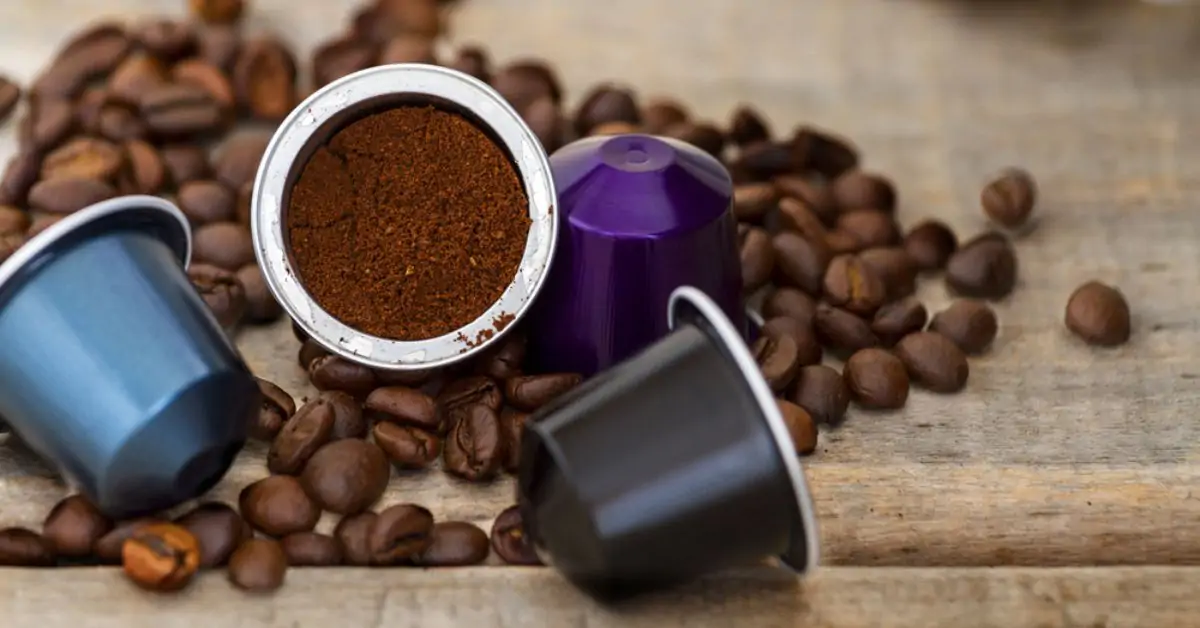
The guidance has become simpler. According to ADEME, aluminum or plastic capsules can be placed in the bin reserved for packaging. They do not need to be washed. Simply drop them in loose, without putting them in a bag. Local guidelines remain the priority.
Consumers of Nespresso capsules also have more than 2,000 collection points. Retailers, partner shops, and some drop-off points accept used capsules. (1)
Soft paper pods, such as those used by some coffee machines, follow a different path. When certified as compostable, they can go to a home compost or a biowaste collection.
Watch out for tempting labels. “Biodegradable” does not necessarily mean “home compostable.” Always check the logo and the manufacturer’s instructions.
The simplest solution remains a drip-coffee maker, whether Italian-style or a French press. A whole-bean coffee machine also helps avoid single-serve packaging.
Toothbrushes and recycling: what options?
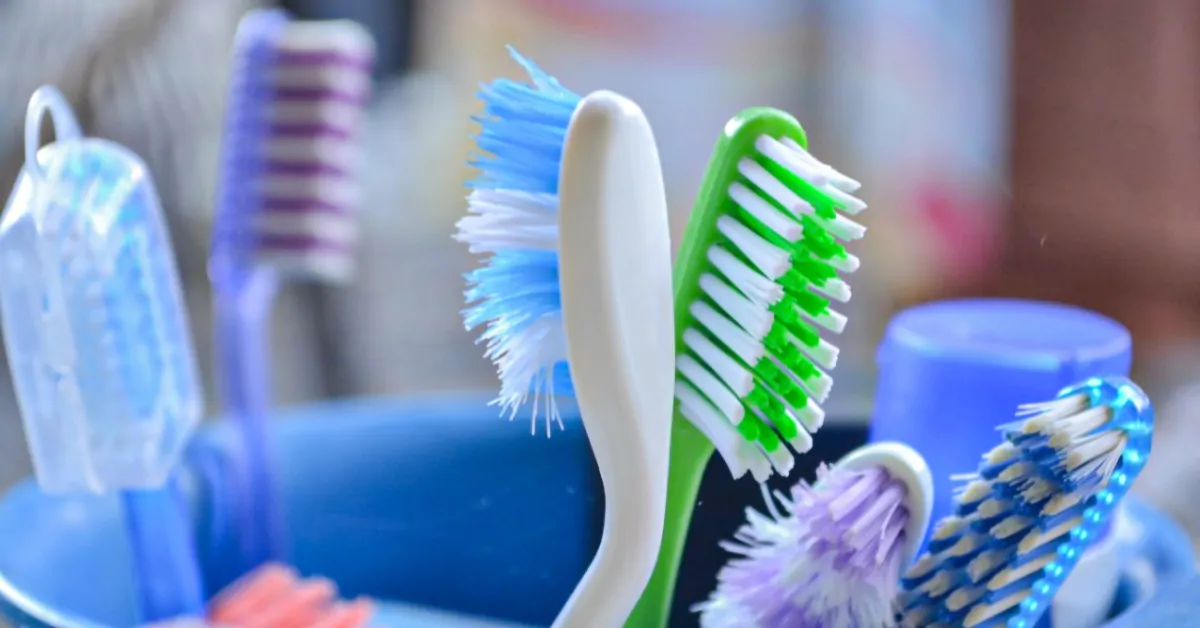
A standard toothbrush combines several materials. The handle is often made of different plastics. The bristles are typically nylon. Metal staples may also hold the bristles in place. This mix prevents recycling in standard sorting centers. The toothbrush should therefore not go into the curbside recycling bin.
Some stores and TerraCycle programs collect manual toothbrushes, interdental brushes, and certain electric-heads. The items accepted vary by location, so you’ll need to check before you go.
To limit these wastes, several options exist:
- choose a toothbrush with a replaceable head;
- keep the handle in use as long as possible;
- favor a brush made with fewer materials;
- bring used heads back to a specialized collection.
A bamboo toothbrush is not automatically recyclable. Its handle can sometimes be composted after removing the bristles and metal components. The nylon bristles remain ordinary waste.
What alternatives exist to the classic sponge?
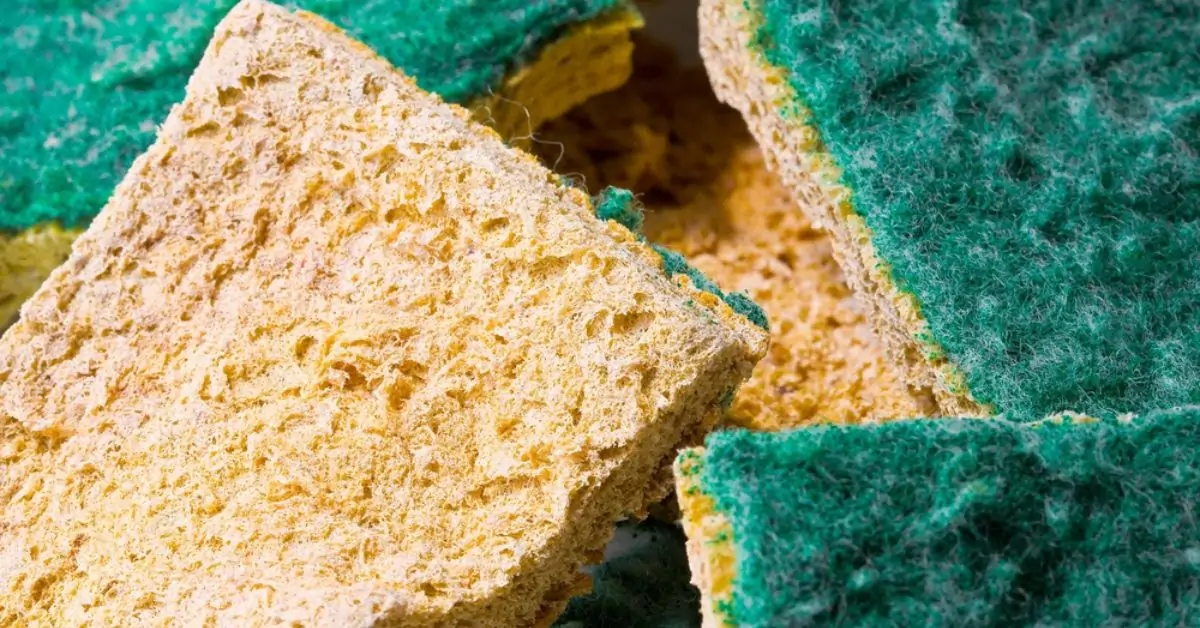
The green-scouring synthetic sponge is not recyclable. It combines multiple foams, synthetic fibers, and an adhesive that’s hard to separate. It wears out quickly and can shed small fibers during use. The best solution is therefore to address the problem at the source.
Among the alternatives to the eco-friendly disposable sponge, you can try:
- a tawashi made from an old garment;
- a washable fabric sponge;
- a dishwasher brush with a replaceable head;
- a plant-based loofah sponge;
- a cellulose fiber sponge without any synthetic part.
Regularly wash reusable models and let them dry between uses. A dirty, constantly damp tawashi quickly becomes a haven for bacteria.
The konjac sponge is primarily suitable for the face and body care. It does not always replace a dish sponge.
Cinq autres déchets difficiles à recycler
Coin cell batteries: bring them back to a store that sells batteries or to a recycling center. They must never go into household trash.
Cigarette butts: extinguish them completely, then dispose of them with residual waste. Some municipalities also install dedicated collectors.
Empty blister packs for medicines: they should now go into the packaging recycling bin. Any remaining medicines should be returned to a pharmacy.
Camping gas canisters: even when empty, they must be returned to the distributor. Gas residue can cause a fire or explosion in a sorting facility.
Recycling remains the last step
Specialized recovery streams prevent useful materials from being buried or incinerated. They do not, by themselves, make a disposable product impact-free.
Before seeking where to drop off a waste item, ask whether it can be avoided. A rechargeable toothbrush, a washable sponge, or a capsule-free coffee maker sustainably reduces the amount of waste you produce. The best waste is the waste you don’t produce.
For more information
How to properly recycle your electronic waste?
- https://www.nespresso.com/fr/fr/services-recyclage-points-de-collecte
- https://www.terracycle.com/fr-FR/brigades/monoprix-fr
- https://quefairedemesdechets.ademe.fr/categories/medicaments/
- https://quefairedemesdechets.ademe.fr/dechet/cartouche-de-gaz-vide-non-rechargeable/