
In an unprecedented report published by the United Nations Environment Programme (UNEP), the UN is urging the international community to confront the “reality” of a temporary breach of the 1.5°C warming threshold set by the Paris Agreement.
An Inevitable Breach of 1.5°C
The UN acknowledges that the current trajectory of greenhouse gas emissions makes crossing the 1.5°C threshold practically inevitable in the near term. Until now, this limit served as a reference to avert the worst climate impacts. But the accumulation of delays in the energy transition compels experts to treat this overshoot not as a distant hypothesis, but as a concrete stage that the world must adapt to.
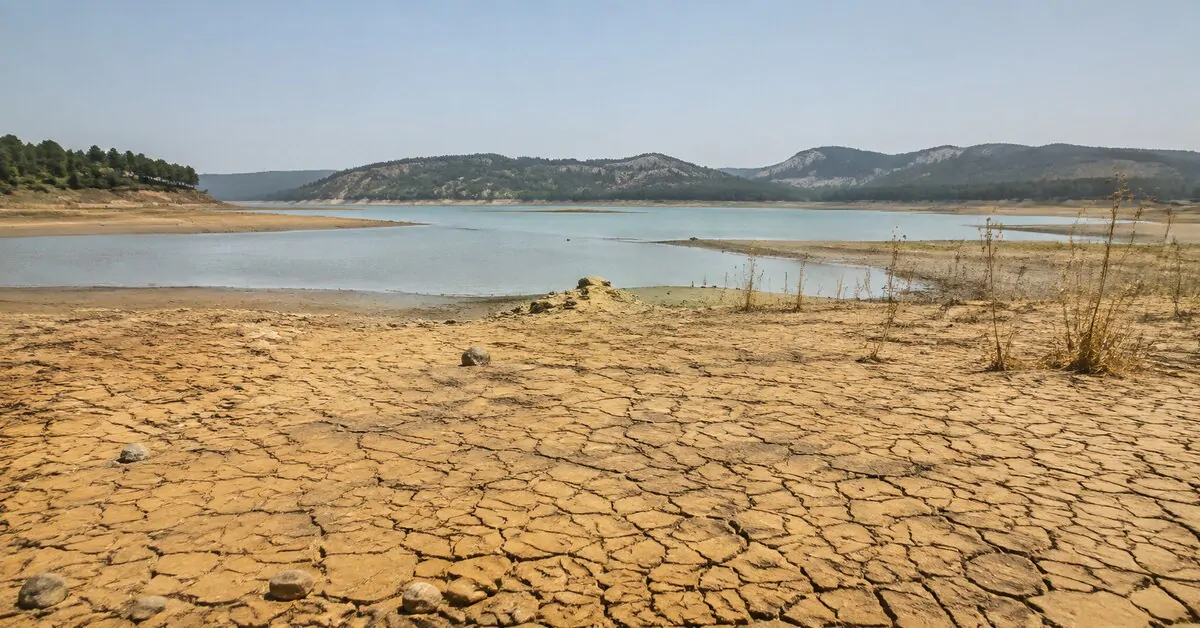
This temporary overshoot of global temperatures should be accompanied by a sharp rise in extreme weather events, from intense heatwaves to prolonged droughts and devastating floods. The UN warns against crossing certain ecological and irreversible “tipping points” (accelerated glacier melt, degradation of major biomes such as the Amazon). It emphasizes that the longer and higher the overshoot lasts, the deeper the harm to human health, biodiversity, and the global economy will be.
Carbon Removal to Bend the Curve
To bring temperatures back below the 1.5°C threshold after this overshoot, the report stresses the need to massively deploy carbon dioxide removal technologies and methods (CDR). Capturing CO2 directly from the atmosphere or accelerating nature-based solutions becomes, indeed, a technical imperative to create “negative emissions.” That said, these approaches cannot, in any case, replace decarbonization at the source.
Despite the prospect of an overshoot, the UN firmly emphasizes that every fraction of a degree matters in limiting the duration and magnitude of this planetary overheating. The international response must combine drastic and immediate reductions in fossil fuels with a massive strengthening of adaptation policies. Stopping warming as quickly as possible remains the only way to prevent uncontrollable consequences for future generations.
Also read
Do you really know what one ton of CO2 represents?
The new national climate adaptation plan: what you need to know