

Grape cure season is here! With the buzz around detoxes, this grape-based regimen is making a comeback. But what are its real benefits? Its indications and contraindications?
Grape cure: a treatment as old as Dioscorides
The virtues of grapes were mentioned in antiquity by Dioscorides, Pliny the Elder, and Galen. Practiced and recognized by the medical world in the 18th century, grape-based cures were developed.
Principle and mode of action of the cure
Distinct from fasting, which involves abstaining from all foods, the grape cure is part of mono-diets, which consist of eating only one food, often easier to implement. Knowing that the body uses up to 30% of its energy for digestion, by offering it a single food, the body can redirect this energy toward eliminating toxins.
Rich in organic acids, tannins, anthocyanins, flavones, fiber and water, grapes are simultaneously a diuretic, a bowel detoxifier, an antioxidant, and they also help cleanse the liver. Their richness in minerals, such as potassium, iron, or selenium, allows lowering blood pressure, regulating heart rhythm, but also stimulating the immune system and helping to preserve tissue aging!
Moreover, grapes contain very little protein and fat. Quercetin, a pigment unique to black grapes, protects not only against allergies but also supports the cardiovascular system and aids digestion.
The benefits of the grape cure
Both draining and revitalizing, this cure appeals for its multiple benefits. The grape targets what are called the elimination pathways (skin, kidneys, liver, and intestines) and helps dislodge toxins. But this grape monodiet also offers other benefits.
For example, it has notable effects on:
- Digestive troubles: gas, bloating, constipation, a sense of heaviness in the stomach
- Sleep disturbances
- Fatigue, nervousness and irritability: 90% of people who complained of fatigue noticed often remarkable improvement in their condition
- Skin problems: acne, dull complexion
- Tinnitus, vision problems
- Weight loss
- The immune system
- Cholesterol: lowering of LDL cholesterol
- Urinary infections, cystitis
Tips and indications: prepping for your cure
Consult a physician before any cure. The first two days of the cure, headaches, nausea, diarrhea, and insomnia may occur; these are the telltale signs of the body starting toxin elimination. If these symptoms persist beyond two days, it signals that the body cannot keep up. In that case, it’s best to stop the cure. To minimize these inconveniences, it is advised to prepare for the cure.
In the days prior, gradually lighten meals by avoiding meat, fish, coffee, chocolate, and then cereals (bread, rice, pasta), so that the night before you only eat fruits and vegetables. An enema or a “purge” (psyllium husk, or magnesium chloride) before and during the diet will remove digestion residues and allow toxins to be evacuated more freely.
The following days of the cure will be devoted to gradually reintroducing the foods that were excluded, in reverse order: first vegetables, then grains, then proteins, to avoid stomach discomfort.
Knowing that a cure can last from a few days to several weeks, the dietary adjustment period should be equal to half the length of the cure. Thus, for a one-week cure, plan 3 days of preparation and gradual reintroduction.
Which grapes to use for a cure?
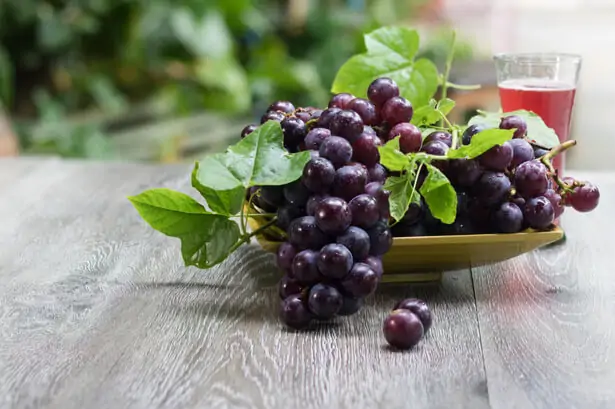
The grapes should be organic, ripe, and well washed. Since you’re opting to eat only one food, it should be impeccable. It is recommended to eat the skin, where the fibers reside to aid digestion, and the seeds containing a large portion of the antioxidants.
It is the Chasselas grape, with its thin skin and balanced sugar content, that works best, alternated with Muscat. Black grapes, Italia, or Alponse Lavallée can irritate the intestines.

Each grape variety has different properties, so it makes sense to alternate them. You may also start and end your day with a glass of grape juice. Far from being restrictive, you should eat to hunger, so don’t hesitate to have several small meals, making sure to chew thoroughly.
Plan on roughly 1 to 2 kg of grapes per day, but again, it’s your body that decides.
Side effects
A grape monodiet can trigger reactions related to toxin elimination, such as headaches, fatigue, nausea, and skin eruptions, especially in the first 3 days. These effects vary depending on how clogged the body is and the dietary pattern before the cure, and they attest to its effectiveness.
You may see constipation appear, which is due to the buildup of peel and seeds in the digestive tract. A treatment: a mild enema.
Contraindications
The grape cure is suitable for most people, except for insulin-dependent diabetics, very frail patients, and it is strongly discouraged for pregnant or breastfeeding women.
For a cure lasting several weeks, never embark on it without talking to your doctor. Some programs also offer supervision.
Also read