
While spring is the season when you tend the garden to give yourself the best chance at a harvest, summer often becomes the time when you loosen up a bit… You head off on vacation, pay visits to friends, and you’re sometimes left simply harvesting what’s ready.
With the weather whims to boot, garden damage can then mount. Wilted plants, broken branches, rotting fruit, or a yellowing lawn: a few simple actions can nonetheless bring the garden back to life before autumn.
What to keep in mind
- Start by removing dry, broken, or definitely dead parts.
- Avoid heavy pruning: at the end of summer, a light cleanup is plenty.
- Compost healthy plant material, but keep away strongly diseased plants.
- Then protect the soil with mulch or a green manure cover crop.
End-of-summer garden damage isn’t a done deal
If you haven’t taken time to dig into your garden beyond harvesting, you need to proceed methodically. Before pulling everything out or pruning, start by walking around the yard to assess the damage.
Everything that’s dry must go
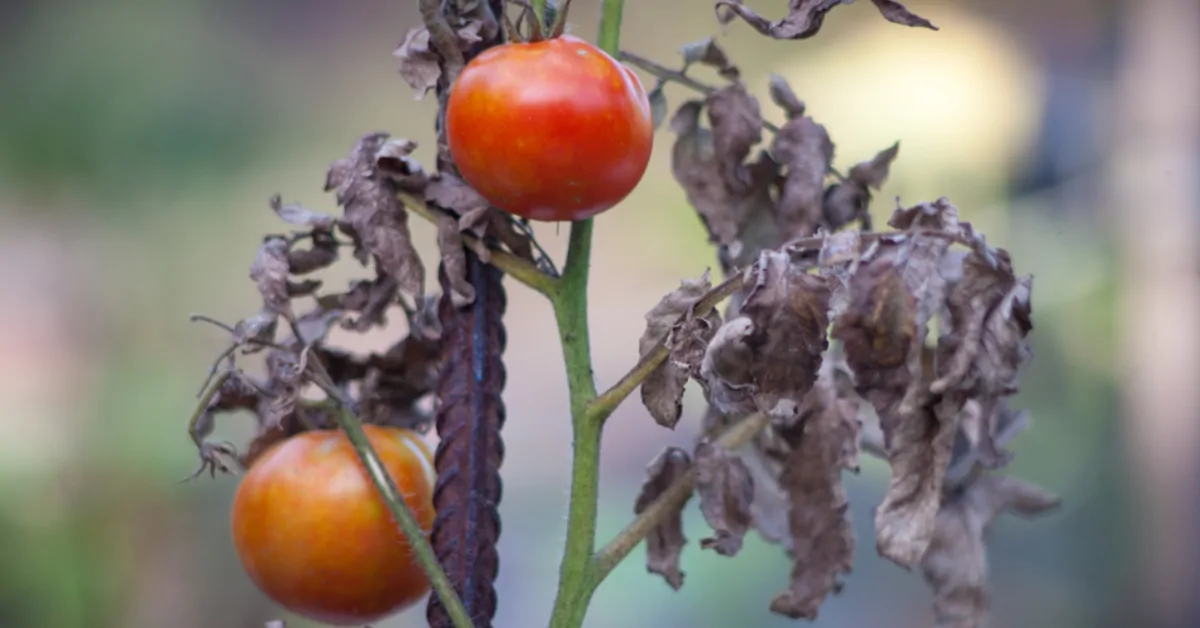
Flowers that have dried up, remontant raspberries that have finished their cycle, strawberries cloaked in dry leaves, roses that look weary, or tomato plants that have given up… By the end of summer, the garden can take a beating!
It’s time to remove the dry or damaged parts. This step limits hiding places for certain pests and helps you spot diseases more easily.
You can trim some short stems, but avoid major pruning before the plant-specific pruning window. This light cleanup will already restore vigor and make your garden look refreshed.
The right move: disinfect the pruners between plants when you suspect disease. Doing so limits the risk of spreading pathogens.
Broken branches? They need to be removed
Some winds are stronger than others. When the season is dry, trees and shrubs can lose branches without you noticing right away.
You can cut the small broken or dead branches with a clean, sharp tool. A clean cut heals better than a ripped branch.
Don’t try to tackle a big branch, a stressed tree, or a high-up section by yourself. In that case, it’s best to call in a professional.
Ideally, chip the cut branches, then use the wood chips as mulch around perennials or in hedges. It will help protect the soil while gradually breaking down.
If you don’t have a shredder, cut the thinnest branches into small pieces. Add them to the compost in limited quantities, mixing with moister materials. Thicker branches decompose slowly: they can be used to create a dry hedge or be taken to the local recycling center.
Decomposing wood feeds many organisms, including the larvae of the golden beetle.
The lawn scorched by the heat—tend to it carefully
Summer is a tough time for lawns. It’s when they’re most used and also when heat and drought take their toll.
A yellowed lawn isn’t automatically doomed. Many grasses go dormant during dry spells and can green up again after rains return.
Avoid mowing too short or scarifying a lawn that’s still dry. Wait until the soil is once more slightly damp. If some areas remain bare, you can reseed them at the start of fall.
Before watering, check whether there are any water-use restrictions in your city.
What is dead should be recycled… with care
Some plants, like severely weakened zucchini or eggplants nibbled to bits, are beyond saving. You can pull them out to free up the space.
Healthy vegetation, dry leaves, and small damaged fruits can go to the compost. Cut thick stems and mix dry materials with moister waste.
The situation is different for plants heavily affected by blight, powdery mildew, or another disease. A home compost typically doesn’t reach the temperatures needed to neutralize all pathogens.
As a precaution, avoid placing highly contaminated vegetation, mummified fruits, or plants infested with pests in the heap. Check with your town for local disposal or collection options. Burning green waste is still prohibited, unless an exceptional exemption applies.
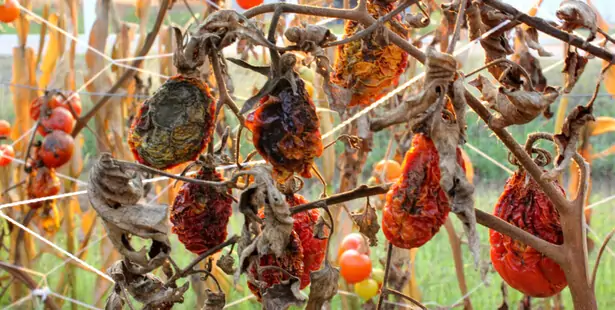
Also pick up any rotted fruit left on the ground. They can attract insects, feed some pests, or harbor diseases into the next season.
By doing this, you reduce health risks and you’ll have a clearer view for prepping your soil.
After cleanup, protect your garden soil
Once the plots are cleared, don’t leave the soil bare for months. An exposed soil surface suffers more from erosion, drying out, and compaction from rain.
You can cover it with healthy fallen leaves, straw, wood chips, or a thin layer of mature compost. Another option: sow a season-appropriate cover crop, such as phacelia, crimson clover, or rye.
Do not deeply till the soil. A light loosening with a broadfork is enough if the soil isn’t waterlogged or still too dry. This gentle reconditioning better preserves the organisms that contribute to fertility.
Finally, use this big cleanup as an opportunity to note which plants stood up well to the heat. These observations will help you choose, next year, varieties better suited to your land and climate.
Read also
Drought and the garden: 26 vegetables that tolerate water shortage