
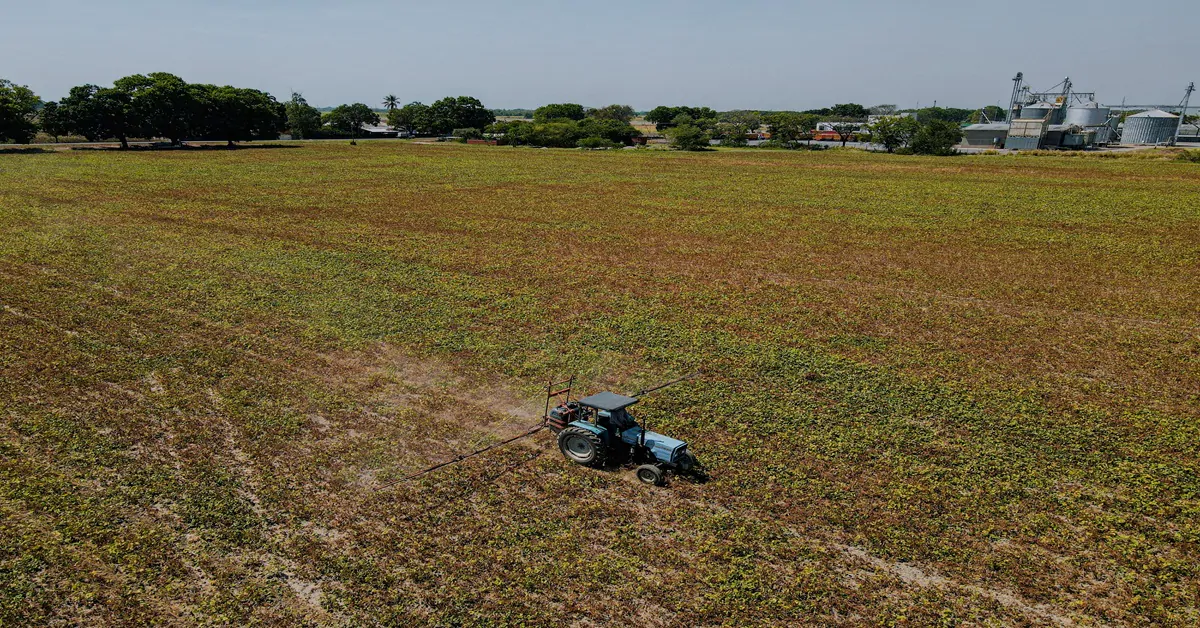
For the first time, the fund had to draw on its reserves to pay out 25.9 million euros, a testament to the economic unsustainability of chemical agriculture for the community.
Societal Cost of Pesticides: The Pesticide Victims’ Indemnification Fund Had to Dip Into Its Reserves
With 1,044 claims filed in 2025, the Pesticide Victims’ Indemnification Fund records a 6.8% increase over 2024, marking a 244% rise since 2021. This growing recognition of pesticide-related illnesses comes at a substantial price for the public. Indemnifications reached 25.9 million euros in 2025, a 35.5% year-over-year increase. Of the 1,044 claims, 795 were approved, underscoring the robustness of the cases. The recognized conditions include prostate cancer, Parkinson’s disease, and malignant hematopathies, primarily affecting workers in mixed farming, grain crops, and viticulture.
Note that the PVIF had to draw from its reserves because the revenues from the tax on phytopharmaceutical products are no longer sufficient to offset rising indemnifications. This financial imbalance highlights the social and health costs of chemical agriculture, suggesting the need for reform of the funding system or a transition toward agricultural practices less dependent on pesticides.
Beyond the Numbers: The Urgency of Pesticide-Related Illnesses
The compensated diseases, such as prostate cancer, Parkinson’s disease, and malignant hematopathies, predominantly affect men and are beginning to include cases of prenatal exposure. In other words, the pesticide risk extends beyond the workplace, impacting the environment and vulnerable populations. Applicants are mainly retirees, former farmers who were exposed for years without adequate protection. Geographic disparities in claims reveal an uneven access to information about the PVIF, suggesting many victims are unaware of their rights. There are also regional gaps in filing rates, with areas like Armorique (the Brittany region) and Maine-et-Loire being more active than others.
These regional disparities in indemnity requests point to a communication problem. Better information could raise the number of claims and raise awareness of the economic impact of chemical agriculture. The ecological transition is essential to reduce pesticide use and support agroecology. This would, in the long run, ease the financial burden on the community… provided action is taken before the PVIF’s resources run out and the human cost becomes irreversible.