
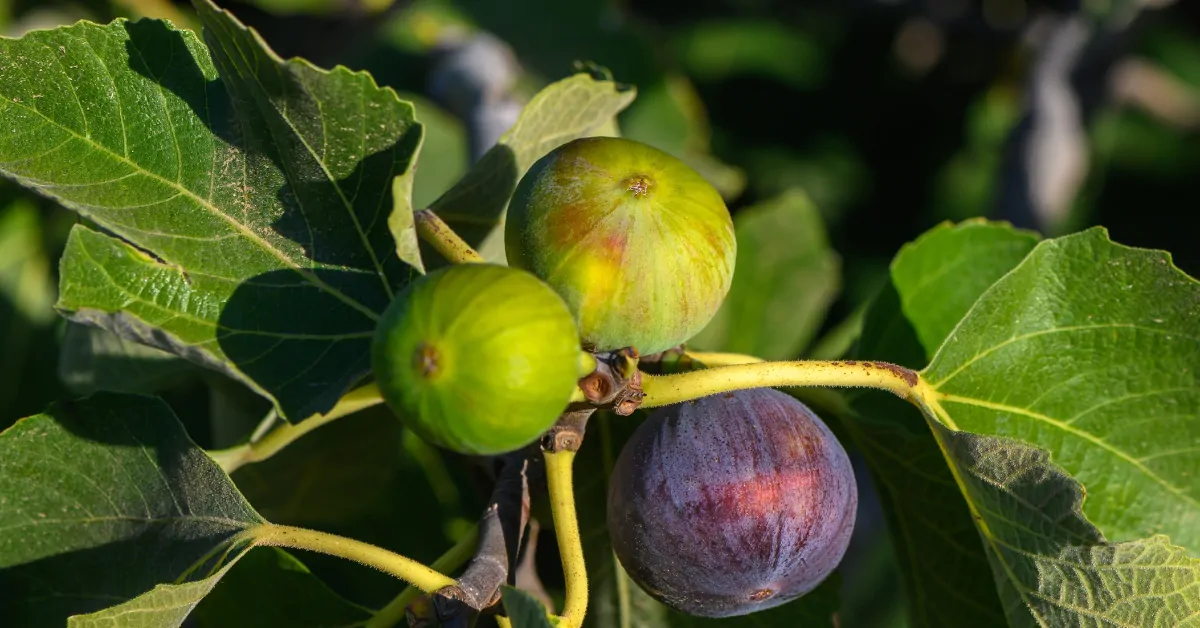
Why Are My Figs Staying Small?
To harvest beautiful figs, several conditions must be met. If your figs stay small, it may simply be due to the variety of your fig tree. Indeed, some fig trees produce figs that are not edible; this happens with male shrubs, or non-self-fertile varieties.
Other reasons, this time climatic, that can explain why the figs do not plump up enough: large temperature swings. Climate variations can even cause the figs to drop before they ripen. Very strong winds as well as late frosts can also explain this phenomenon. A soil that is too poor can also lead to stunted figs.
If your figs fail to ripen, you need to address one or more of these factors, keeping in mind that, unfortunately, climate variations cannot be controlled. Yet it’s possible to influence the other causes to improve your chances of harvesting fine fruit.
My Figs Are Falling Off Before Ripening, What Should I Do?
Espalier Your Fig Trees
Thus, in regions often swept by prevailing winds, protecting the fig trees by growing them in a sheltered position is a good start. The warmest exposure should be offered to them, for example by planting them facing south and by training them against a wall. Note that once mature, fig trees tolerate about -15 °C (5 °F). Thus protected, even fig trees planted far to the North can form figs in the spring, which will be ripe in September.
Plant Hardy, Self-fertile Fig Varieties
When winters are mild, which is becoming more common thanks to climate warming, it is even possible to obtain two fig harvests, even outside Mediterranean regions. If you live in the northern regions, opt for varieties that are hardier, but also fig trees with the right level of self-fertility, ideally ones that do not require pollination by Blastophaga, the fig wasp.
One-bearing fig trees are also a good alternative, namely those that produce figs only once a year, in late summer. The cultivar “Pastilière,” also known as “Rouge de Bordeaux,” can even be grown in pots. It is suitable for all regions, even those with short summers and early cold autumns. The figs, though not very sweet, are tasty and can be consumed in August. Another cold-hardy fig that grows well across France is the variety “Ronde de Bordeaux,” vigorous and productive, which bears from the beginning of August in Provence and a few weeks later in Île-de-France.
Water Your Fig Trees a Bit, but Not Too Much!
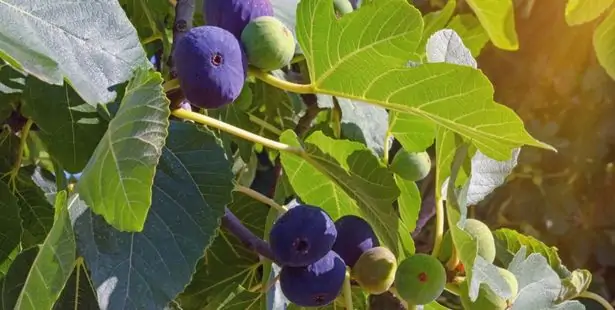
If your figs aren’t fleshy enough, this may also come from a lack of watering. Even though the fig tree, with its deep roots when planted in the ground, is one of the drought-tolerant fruit trees, a very dry, hot summer can still be detrimental. An established fig tree generally doesn’t require manual watering and can rely on rainfall. But during a heatwave, be sure to provide regular watering if there are no water restrictions preventing you. Also avoid giving too much water, because excess irrigation during the ripening period will accumulate in the fruits. Figs that are overwatered while ripening can crack, or even burst. They will also be less sweet and flavorful.
As for potted fig trees, their watering should be more regular than those planted in the ground. Avoid using saucers that hold water at the roots and opt for well-drained soil, as well as regular fertilizing.
Boost Your Fig Trees with the Right Fertilizers
To achieve beautiful harvests, it is important to provide natural fertilizers to these fruit trees on a regular basis. Banana peels (potassium), eggshells (calcium) or coffee grounds (phosphate, vitamins and nitrogen) work well, as do wood ashes, which speed up the growth of the fig tree while enhancing its appearance.
Can You Ripen Figs Picked Too Green?
If despite your efforts, your harvest is compromised by too many figs falling to the ground before ripening, do not throw them on the compost. Figs are climacteric fruits, and they can continue to ripen after harvest. Simply leave them at room temperature in a dish. Figs, like all climacteric fruits, will emit a gas, ethylene, which will accelerate their ripening. Be careful, one fig may ripen faster than the others and quickly speed up the ripening of the rest, potentially causing a whole basket to go bad… Keep a close eye on your fruit!
If your figs are far too small and green, you can also speed up this ripening process by covering them with a cloche, so that the gas stays near the fruit.