Chimpanzees that drink alcohol, cats that go wild after certain plants, and dolphins suspected of playing with poisonous fish to get high… Nature has a few surprises in store! But do these animals really try to put themselves into every state of mind?
Chimpanzees, Fans of Fermented Fruit
No need to invent a cocktail to consume alcohol! In nature, some very ripe fruits ferment naturally and produce small amounts of ethanol, the same alcohol found in our drinks. And chimpanzees don’t skip them. In Guinea-Bissau, researchers even filmed them eating and sharing fermented fruits containing alcohol.
A study published in 2025 also estimated that some wild chimpanzees could absorb about 14 grams of alcohol per day simply by eating their usual fruit. The equivalent of a small glass of wine, but spread over an entire day! Attention, though, not to imagine our cousins stumbling branch to branch: there is no proof that they seek intoxication. They mainly enjoy the fruit, with or without alcohol.
The toupaye, a Nectar Bar Regular
In Malaysia, a small nocturnal mammal with a funny name seems to have found a particularly interesting address: the bertam palm. The plumed-tailed toupaye regularly comes to feast on the nectar of its flowers. The peculiarity of this drink? It ferments naturally thanks to yeasts and can contain up to 3.8% alcohol. Almost as much as a light beer! These little animals can consume it each night. Yet researchers have not observed any obvious signs of drunkenness.
The Cat, Totally Hooked on Its Catnip
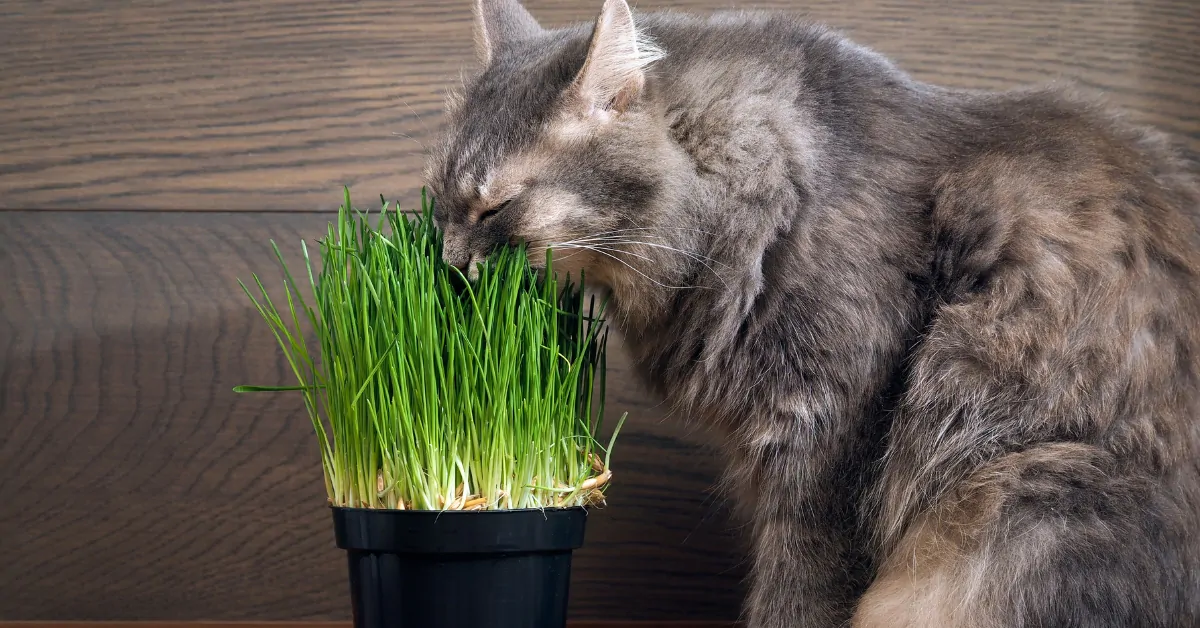
You may have already surprised your cat rolling frenetically on the floor, rubbing its head everywhere, or leaping around after sniffing catnip. This plant, also called catmint, contains a substance that triggers in some felines a dramatic reaction, often compared to a moment of euphoria. And the phenomenon doesn’t affect all cats.
But the most surprising is somewhere else. Japanese researchers discovered that another plant beloved by felines, silver vine, contains a substance that stimulates their pleasure system. By rubbing against the leaves, cats also leave on their fur a compound that repels mosquitoes. In other words, while your kitty seems to be having a mystical experience on the living room rug, it could also be giving itself a natural mosquito repellent treatment. Two pleasures for the price of one!
Bees Also Take Their Coffee!
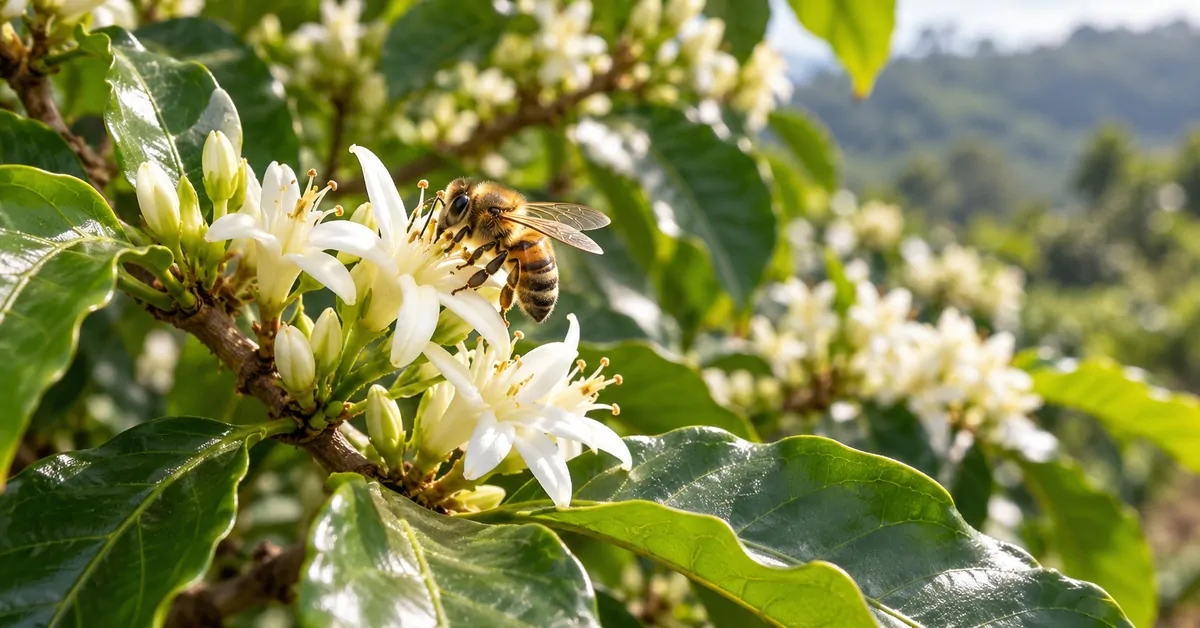
Think you’re the only one who needs caffeine to start the day right? Some bees do too, without an espresso machine. Nectar from flowers of certain plants, like coffee plants and citrus, contains small doses of caffeine. And this substance isn’t without effect! In a 2013 study, researchers found that bees given caffeine were three times more likely to remember a floral scent 24 hours later. A stellar memory that could benefit the plants: by remembering the flowers better, bees are more likely to revisit them and carry their pollen.
The Lemurs and Their Strange Pharmacy
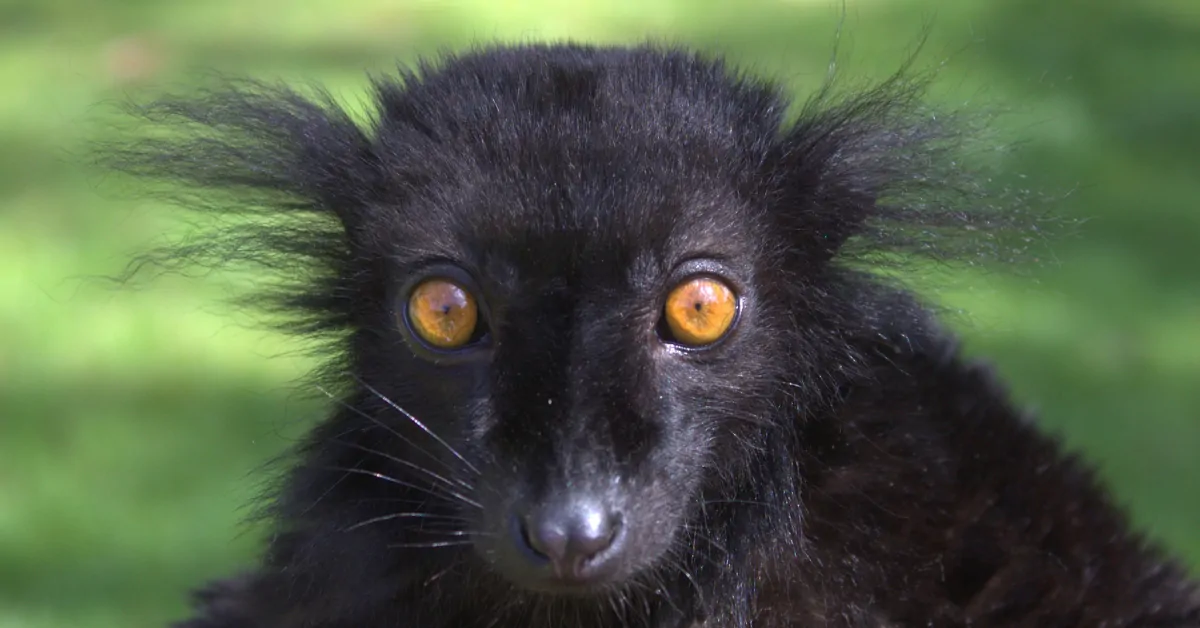
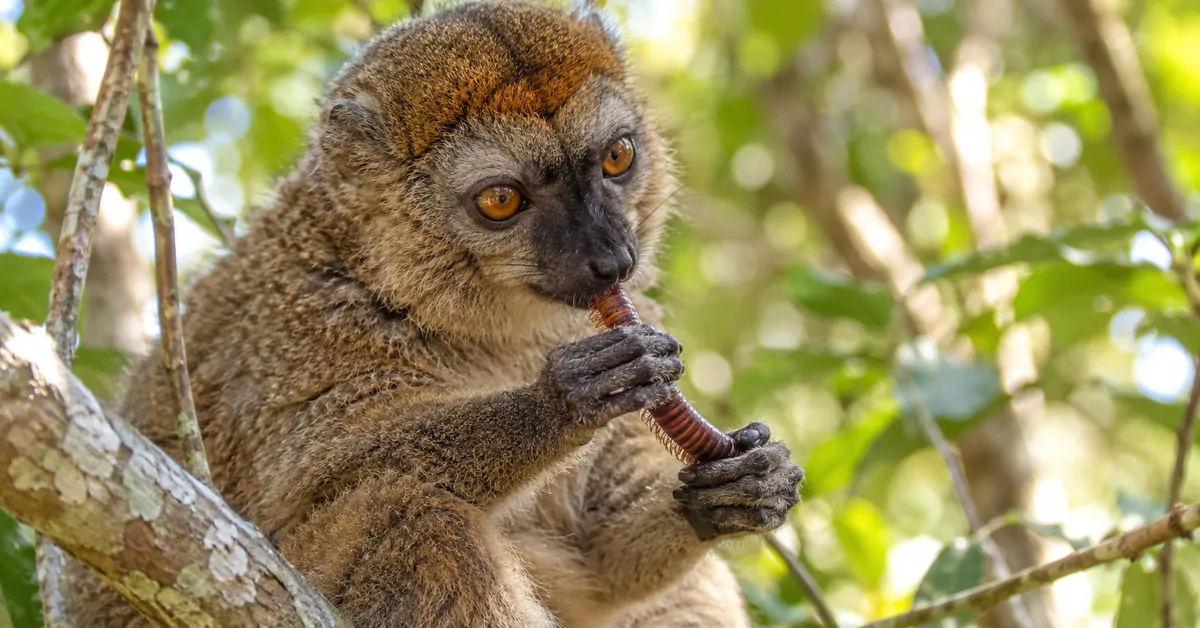
In Madagascar, some lemurs have a rather unsettling habit: they catch millipedes, nibble them, and then rub their bodies with the substances they release. These little creatures produce chemical compounds that could help lemurs combat certain parasites. Scientists thus suspect a form of self-medication.
Do Dolphins Get High on Pufferfish?
It’s one of the wildest animal stories. Dolphins have been filmed gently passing a pufferfish to one another, as if sharing a precious object. That fish is famous for containing an extremely powerful toxin. Some have imagined that dolphins were deliberately absorbing small quantities to feel particular effects. Could the pufferfish be their version of cannabis?
Not so fast! No scientific studies have shown that dolphins use this fish to get high. And the substance in question is primarily a poison capable of causing paralysis. It’s entirely possible that the dolphins are simply playing with their strange companion.
And the Drunken Elephants, Then?
Another stubborn legend: in Africa, elephants gorge themselves on fermented marula fruits before wandering the savannah completely drunk. The image is enticing, but scientists are skeptical. Because of their size, elephants would have to ingest substantial amounts of alcohol to show obvious signs of intoxication. So far, no one has produced convincing evidence of these famous wild binges.
So, Do Animals Really Like to Get High?
Alcohol, caffeine, plant-based substances, or poisons: nature is a real chemistry lab, and animals regularly come into contact with molecules that can alter how their bodies work. But between consuming a substance, feeling its effects, and deliberately seeking it out for pleasure, there is a big difference.
Some animals seem to enjoy these molecules to nourish themselves, protect themselves, or even heal themselves. For others, scientists are still trying to understand what motivates them.
Read also
10 Extraordinary Animals with Astonishing Hallucinogenic Powers