

Humidity is indeed necessary in a home, but it should not exceed 40–60 percent, according to the Indoor Air Quality Observatory. Otherwise you’ll see fogged glass, condensation marks on the ceiling, mold around bathroom tile joints, wallpaper peeling away relentlessly… Humidity is a real winter scourge for your interior, but also for your health, as it can trigger allergies and asthma; and for your wallet, since it tends to push you to overheat the house.
Cooking, showering, doing laundry, breathing or sweating are daily actions that cause the air to evaporate about 10 to 20 liters of water per day… Not to mention rainwater infiltration or rising damp from the ground.
Fortunately, natural and straightforward solutions exist.
To Eliminate Humidity, Air Out Each Room for Ten Minutes
The simplest action is to refresh the air by ventilating every room in the home for at least ten minutes a day. This natural ventilation will help combat humidity and eliminate accumulated odors.
Make Your Own Humidity Absorber
To remove surplus humidity, nothing beats clay and coarse salt, two highly absorbent products. To craft your absorber, take for example a plastic bottle or jug that you cut in two. The upper part, with the neck, is inverted onto the lower part of the container. Place a cloth or cotton in place of the cap and pour crushed clay or coarse salt. Install your absorber in a damp room, preferably against a wall, to recover in a few days a multitude of water droplets!
Another Grandmother’s Trick
Newspaper works as a humidity absorber if you place it in a closet, for example. It will also help eliminate musty odors.
The same goes for charcoal kept in a box with a lid pierced by several holes.
Decorate Your Interior with Plants That Love Humidity
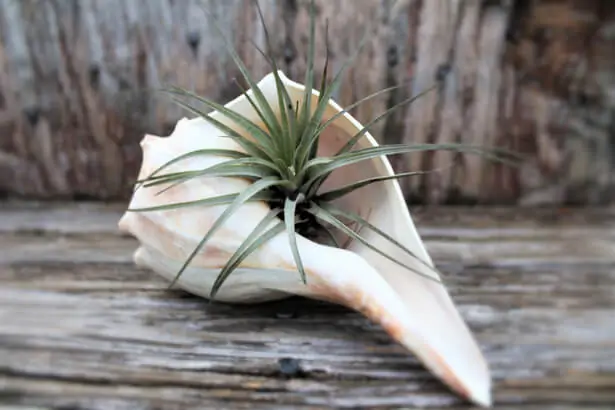
To improve indoor air quality, certain plants are particularly interesting because their leaves absorb humidity. For example orchids, epiphyllum, nephrolepis, a tropical indoor fern, or tillandsia, also called the “air plant,” because it grows without soil and feeds exclusively through its leaves.
Three Tips to Fight Mold
- For fabrics (clothes, curtains…) touched by mold, rub them with a mixture of half a liter of lemon juice and a teaspoon of salt. This trick also works for cleaning the shower or bathtub tiles. In that case, let the solution sit for a few minutes, then wipe with a dry cloth.
- Your walls are plagued with mold stains? Mix one third of vinegar with two thirds of distilled water. Apply to the walls and let sit for about ten minutes. Rinse.
- Finally, if the mold is too ingrained, you still have the bicarbonate solution: two tablespoons mixed with 700 ml of water and two tablespoons of salt. Use a brush to scrub the surfaces.
You can see, there are plenty of natural tricks to get rid of both humidity and mold in your home!
Also read