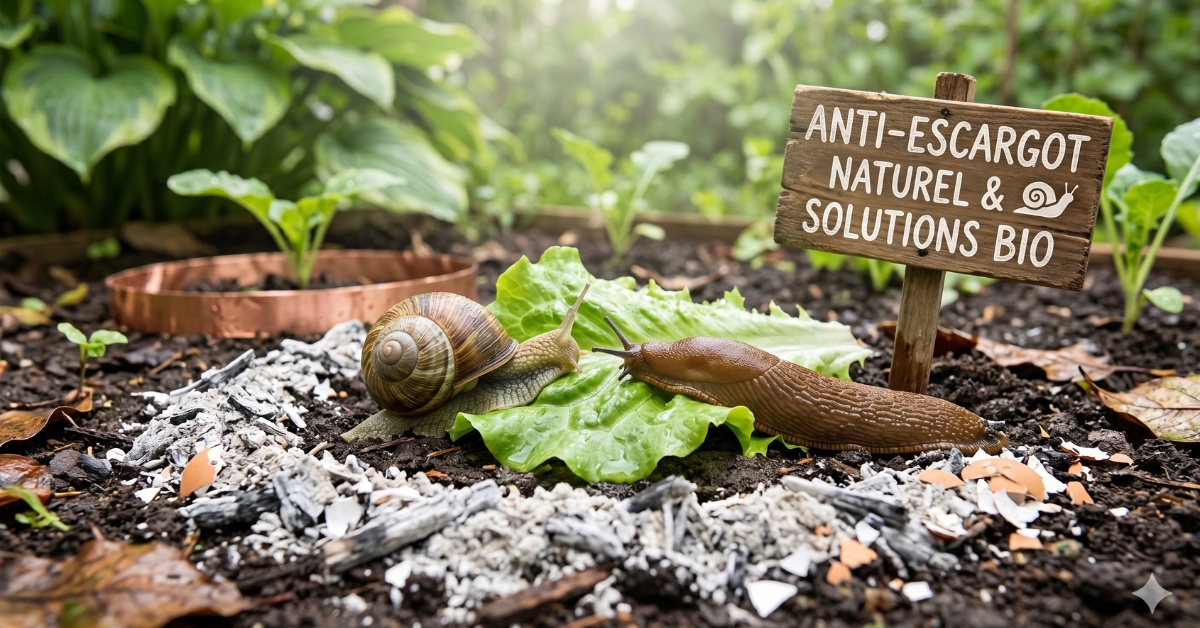
It’s the ideal season for slugs and snails, which are taking over our gardens. They especially enjoy temperatures hovering around 60–65°F (15–18°C), i.e., a late spring well underway. The combination of a mild, frost-free winter and a damp climate allows these gastropods to multiply quickly. Do you already have a natural snail deterrent on hand to protect your young plants?
Why do slugs and snails invade your garden?
As their name suggests, gastropods are real “stomachs on legs.” They never miss an opportunity to raid the organic garden as soon as the weather turns wet! Understanding their lifestyle is the first step toward an effective, ecological control strategy.
Slugs: Nocturnal nibblers
Slugs belong to the same family as snails. Of the roughly 400 species recorded, not all are harmful, but some are formidable gourmands. Unlike snails, they lack a protective shell, which makes them stay in damp areas to avoid drying out.
Finding a natural slug deterrent quickly becomes a vital concern: they nibble leaves at ground level and adore young shoots and delicate plants. Capable of eating half of their body weight in a single night, they take advantage of darkness or showers to strike.
Snails: well-protected cousins
Like their “cousins,” snails are hermaphroditic. Their calcareous shell helps them resist dehydration better than slugs. Did you know some species can live up to seven years in the wild?
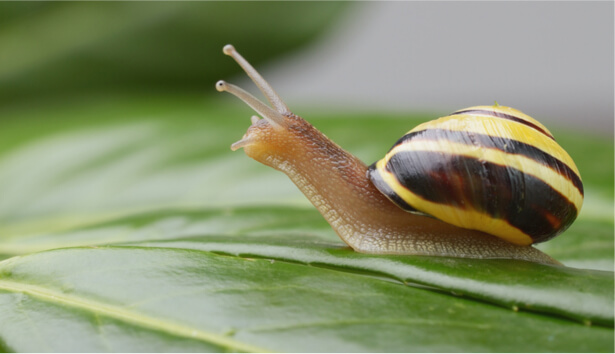
Although they contribute to the decomposition of organic matter (useful for compost), they don’t discriminate when they cross your precious salads.
How to eliminate snails and slugs in an eco-friendly way?
Rather than using chemical pellets (often toxic to pets and hedgehogs), turn to environmentally friendly methods.
12 solutions and natural remedies to deter gastropods
- Rough barriers: Slugs hate crawling over surfaces that dry them out. Surround your rows with wood ashes (replenish after rain) or fine sand.
- Coffee grounds: In addition to being a good fertilizer, their scent and texture act as an effective deterrent.
- Eggshells: Crushed around plants, they form a sharp, impassable barrier.
- Beer trap: Place a container flush with the soil with a little beer. Attracted by the aroma of hops, the slugs drown. Remember to install a small cover to prevent rain from diluting the brew.
- Slices of potatoes: Lay them under a board. The slugs will cluster there at dawn, and you can move them far from the vegetable garden.
- Companion plants: Fennel and chervil give off scents that repel intruders.
- Protective mulch: Use a mulch made from thistle, comfrey leaves, or ferns, particularly effective around strawberries.
- Rhubarb decoction: Prepare a brew (300 g of rhubarb leaves per 1 L of water) and water your plants to make them less appealing.
- Hand-picking: Take advantage of the morning dew or a damp evening to conduct a manual “hunt.”
- Encourage allies: Create shelters for wall lizards, thrushes, or grass snakes, which are big consumers of gastropods.
- Copper tape: Placed around pots, it creates a slight static reaction that repels slugs without killing them.
- Targeted watering: Water in the morning rather than the evening to avoid leaving a moist surface all night—prime slug-walking time.