
Strawberry plants are charming perennials that, with proper care, can come back year after year. Their longevity and productivity, however, depend on regular regeneration of the plants. Autumn maintenance and preparation are required to shield them through winter, keeping them healthy and productive year after year.
Do strawberry plants come back every year?
Strawberry plants are perennial, capable of regrowing from one season to the next. Yet the key to their longevity and productivity largely rests on careful management and periodic regeneration of the beds. Strawberries can be perennial, but the vigor and fruit production of the plants typically decline after 2 to 3 years. To maintain a plentiful and high-quality harvest, it is therefore crucial to rejuvenate the planting regularly by introducing young plants.
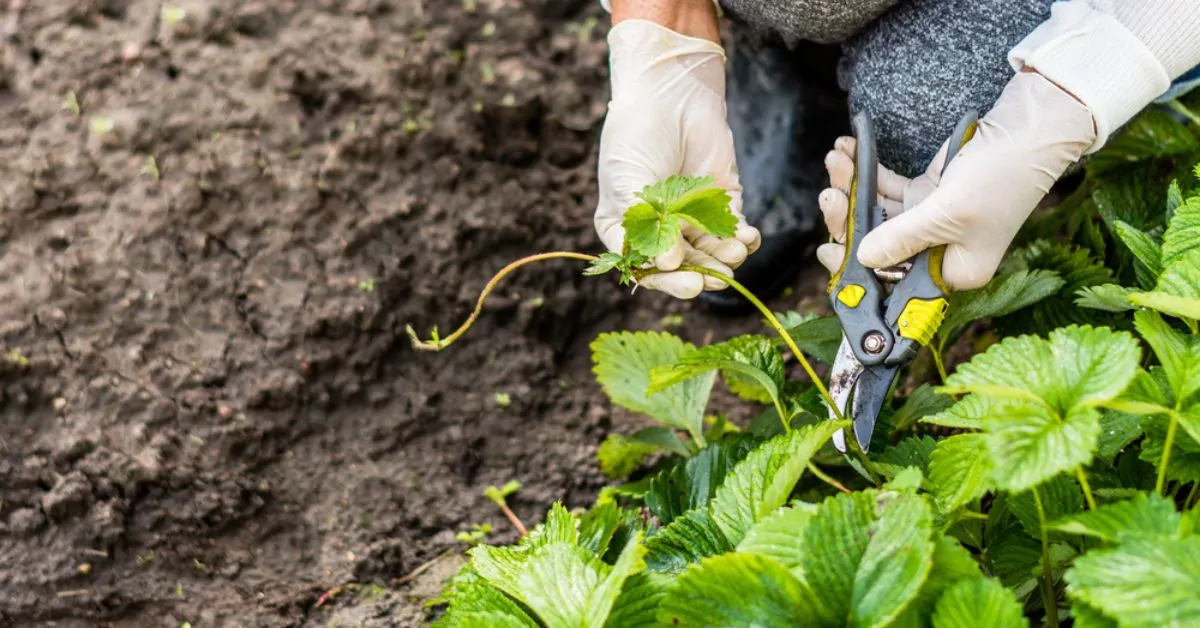
This renewal process involves the use of stolons, which are the runners produced at the base of the strawberry plants. These extensions, or runners, have the ability to create new plants when they come into contact with soil. To take advantage of this natural propagation mechanism, simply collect the young stolons and replant them.
Good to know
To replant stolons, choose those that are healthy and vigorous. Then prepare well-amendded, well-drained soil, preferably rich in organic matter, and plant the stolons at an appropriate distance from one another to prevent competition for nutrients and light. Once replanted, regular watering and balanced fertilization will help the young plants establish quickly.
How to care for strawberry plants in autumn and prepare them for winter?
Fall maintenance of strawberry plants is essential to ensure a bountiful and healthy harvest the following year. Here are steps to keep your strawberries healthy during the autumn season and ready them for winter:
How to clean the strawberry plants before winter?
Before winter arrives, start by pruning strawberry plants by removing dead or diseased leaves at the base and cutting back the runners, unless you intend to propagate. All damaged or diseased parts of the plants should also be removed. A close inspection for signs of disease or pests is required, and if detected, apply appropriate treatment. The use of a fungicide may also be necessary if there are signs of fungal diseases on the plants or the soil around them.
To prepare the soil, lightly aerate around the plants without damaging the roots and apply a fertilizer that is low in nitrogen but rich in potassium and phosphorus. This step is crucial to strengthen the plants and to promote root development.
When and how to cut the runners?
Runners—the famous “growers” of strawberries—are typically cut after fruit harvest, in late summer or early autumn, to prevent the plants from exhausting themselves. If you want to maximize fruit production, you can also cut runners as soon as they appear during the growing season.
Before the wintering of your strawberries, be sure to cut all remaining runners to prep your plants for winter. This helps prevent the spread of diseases and pests.
For reference, runners are long, thin stems that grow horizontally from the mother plant. To cut them, use clean scissors or pruners. Disinfect the blades between cuts to avoid spreading diseases. Cut the runner as close as possible to the mother plant without damaging the plant itself.
What about watering in autumn?
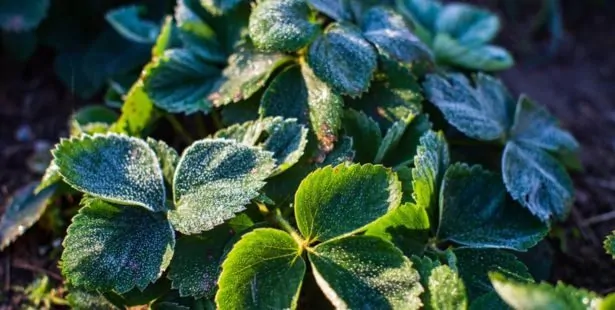
Keep the soil consistently moist, especially if autumn is dry, but avoid waterlogging that can lead to root rot. Gradually reduce watering as winter approaches.
And in winter, should you water strawberry plants?
In winter, strawberries generally enter dormancy and have significantly reduced water needs. If the soil is frozen or snow-covered, there’s usually no need to water, as the plants are inactive and melting snow will provide enough moisture to the soil.
In regions with milder winters and non-freezing soils, or in particularly dry winters, it’s important to regularly monitor soil moisture and water lightly if the soil dries out. Too dry soil can damage strawberry roots and affect their growth in spring.
When watering is necessary during winter, the frequency will be much lower than in spring or summer. Deep, infrequent watering is preferable to frequent shallow watering.
How to mulch strawberries for winter?
To mulch strawberries for winter, opt for an organic mulch such as straw, shredded fallen leaves, or hay. Fall lawn clippings can also work.
Apply mulch evenly around the strawberry plants, leaving a gap around the crown of the plant to prevent rot. The mulch layer should ideally be about 4–6 inches thick to provide adequate protection against the cold.
Remember to refresh the mulch as needed, especially if it becomes wet or rotten.
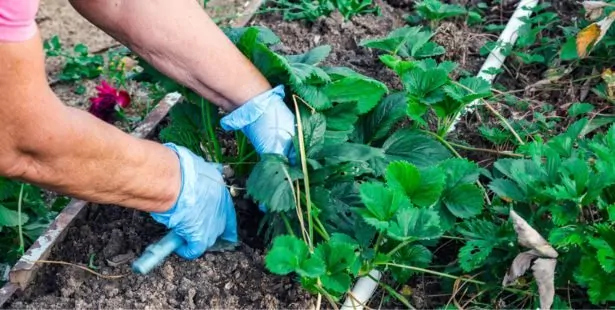
Strawberries can thus be a steady source of pleasure each year if you know how to care for and regenerate them effectively. The perennial nature of strawberries is therefore not a myth, but a very real possibility for knowledgeable and attentive gardeners!