Fall is a pivotal season for the orchard. It’s the time when fruit trees gear up to face the winter cold, and the gardener must implement effective strategies to ensure their health and a bountiful harvest next year. Soil preparation, protection of the trees, and planning for the upcoming spring. Here’s what not to forget to do in the orchard.
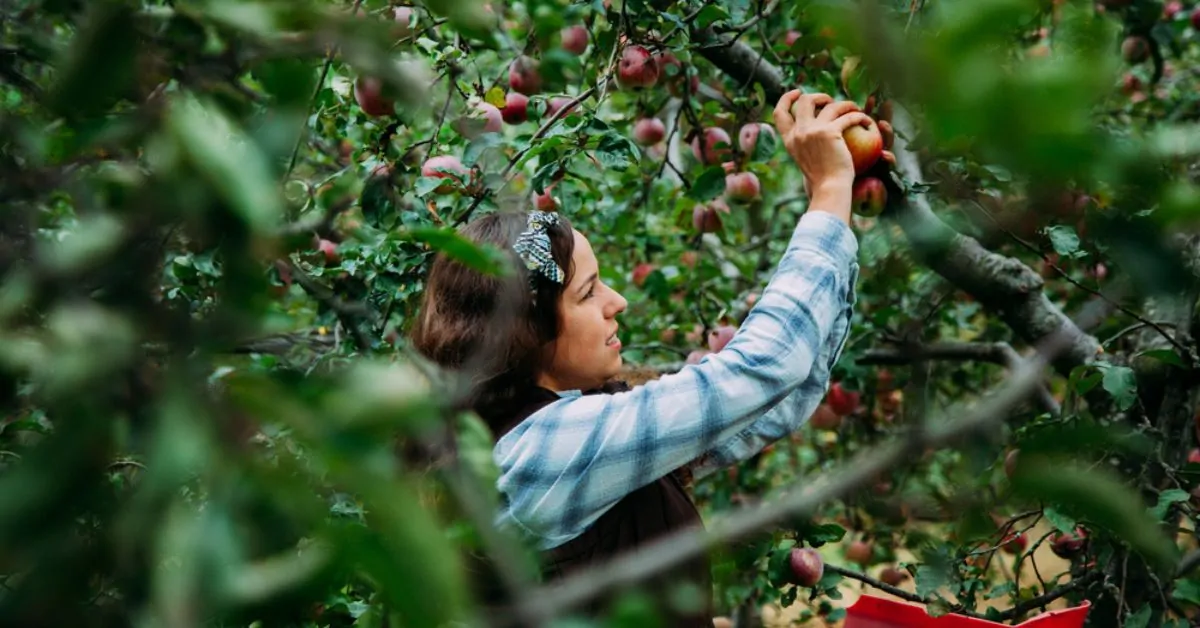
In Fall, Harvesting the Last Fruits from the Orchard
The fall fruit harvest depends on the region and climate, but several fruits are typically gathered late in the season. Here are some of the fruits that are often the last to be picked in an orchard:
Apples
Although apple harvest typically begins in late summer, many varieties are ready to be picked late in fall. Varieties such as Fuji, Granny Smith, and Pink Lady are harvested in October and even November in some regions.
Pears
As with apples, some pear varieties ripen late in the season. The Comice and the Doyenné du Comice, for example, are often ready to be picked in October.
Quinces
Quinces are typically harvested from late autumn through early winter. They require a long growing season to fully ripen and develop their unique flavor.
Persimmons
These delicious, visually appealing fruit are often harvested after the first frosts of fall, when their flavors have fully developed.
Nuts
Nuts, such as walnuts and hazelnuts, are also harvested late in fall. They drop naturally from the trees when ripe, making harvest easier.
Tips for a Late-Season Fruit Harvest
During late-fall harvest, it is essential to closely monitor weather forecasts to avoid frost damage. The fruits must be picked at full maturity to guarantee all their flavor and quality.
The other crucial aspect is pest and disease management. Since fruits stay on the trees longer, they can be more exposed to pest attacks. It’s best to keep a close eye on them!
Controlling Orchard Pests
orchard pests are numerous and varied, each posing specific challenges. Among the most common are aphids that feed on the sap, scale insects characterized by their waxy shells, or mites that cause yellowing and distortion of the leaves. Fruit flies and codling moths of apples and pears are also notorious pests, damaging fruit from the inside.
Natural Methods of Control
Facing these nuisances, natural and ecological control strategies are preferable to preserve the biodiversity of the orchard and the quality of the fruit. Introducing natural predators like ladybugs for aphids can be an effective solution. Setting up nest boxes often encourages beneficial allies, such as insectivorous birds.
Physical barriers also play a crucial role. Insect nets can be installed to prevent them from climbing up trunks and accessing branches and fruit.
Spraying natural preparations, such as garlic decoctions or plant teas (nettle, horsetail, etc.), can also deter pests without harming the environment or the health of the plants and consumers.
Prevention remains at the heart of pest control; proper pruning, adequate watering, and well-maintained soil help strengthen trees’ resistance to these attacks. Regular collection of fallen fruit and plant debris also eliminates breeding and shelter sites for pests.
Pruning Work
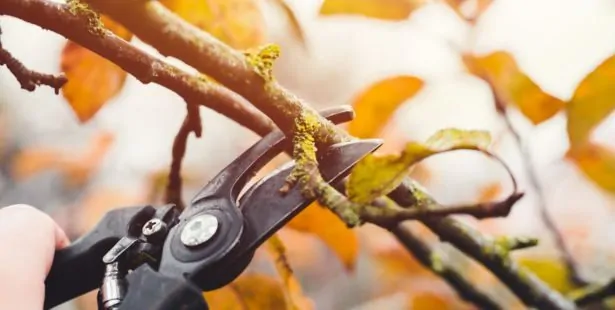
Pruning is an essential element to ensure healthy growth and an abundant fruit production in your orchard. It should be tailored to each type of tree to optimize its benefits. Here are specific fall pruning tips for the most common fruit trees:
Apple and Pear Trees
For apple and pear trees, fall maintenance pruning mainly involves removing dead and diseased wood to prevent diseases. Also thin the center of the tree to improve air circulation and light penetration. Keep in mind that these trees bear fruit on branches aged two years or older, so avoid cutting those off.
Cherry Trees
Cherry trees are often pruned in early spring to avoid infections. However, if necessary, a light pruning can be done in fall to remove dead or damaged branches. Ensure clean cuts to promote rapid healing.
Apricot Trees
These trees are prone to disease, so it is advisable to prune them when the weather is dry. Remove dead wood, crossing branches, and those growing inward. The pruning should favor an open shape for better air circulation and adequate sun exposure.
Peaches
Peaches fruit on the wood of the previous year. During autumn pruning, focus on removing weak, diseased, or dead branches. Also prune to maintain the tree’s shape and encourage the growth of vigorous new shoots for the next season.
Plum Trees
Plum trees require special attention to avoid diseases. Thin the center of the tree and remove weak or diseased branches. It is essential to keep the tree’s structure ventilated. European plum varieties can be pruned more severely than Japanese varieties.
Soil Preparation
Fall is the perfect time to enrich the orchard soil. Adding compost or organic fertilizer helps restore nutrients depleted during the growing season. Work the soil gently so as not to damage the tree roots and ensure it stays loose and well-drained to prevent water stagnation.
Protecting Fruit Trees Before First Frosts
Before the first frosts, it is essential to protect your trees, especially the younger ones. Use mulches to preserve soil warmth and maintain steady moisture. Trunk wraps can also be used to prevent cold damage and rodent damage.
Also take this period to evaluate your orchard layout, note desired changes, and plan next year’s plantings. It’s also the ideal time to order seeds and plants for a prolific spring!
Read also
And what if you planted a nashi, the ultra-hardy fruit tree for fruit lovers?