
Autumn, with its gentle transition and preparation for winter dormancy, is the ideal time to harvest and preserve seeds that will bring your garden to life in the coming seasons. This economical and eco-friendly practice brings you closer to the very essence of nature.
How to harvest seeds from plants in the fall?
For harvesting seeds from your favorite plants in the fall, favor healthy, robust specimens—ideally native—to help ensure the propagation of varieties that are hardy and well-suited to the local ecosystem. Choose plants that have demonstrated resilience and attractive form, so the seeds will carry these beneficial traits.
When is the best time to harvest seeds in fall?
Timing is crucial in harvesting. Poor timing can compromise seed quality. Changes in color and texture are signs to watch for to identify the optimal harvest moment. Of course, plant diversity goes hand in hand with a variety of harvesting techniques… Learning and adapting the methods specific to each plant is therefore essential to obtaining high-quality seeds.
Some specific plants and their harvesting techniques:
- Tomatoes : for tomato seeds, the harvest process includes fermentation to remove the surrounding gelatin, followed by a thorough rinse and flat drying.
- Squash and pumpkins : seeds are extracted from the pulp, cleaned with water, then air-dried on a flat surface.
- Beans and peas : simply wait for the pods to dry on the plant, then harvest and dry indoors before extracting the seeds.
- Peppers : mature peppers are picked and opened to extract the seeds. The seeds should then be spread out and dried in a warm, airy spot.
- Marigolds : for marigolds, wait until the flowers are completely dry. Then shake the flower heads over a container to collect the seeds.
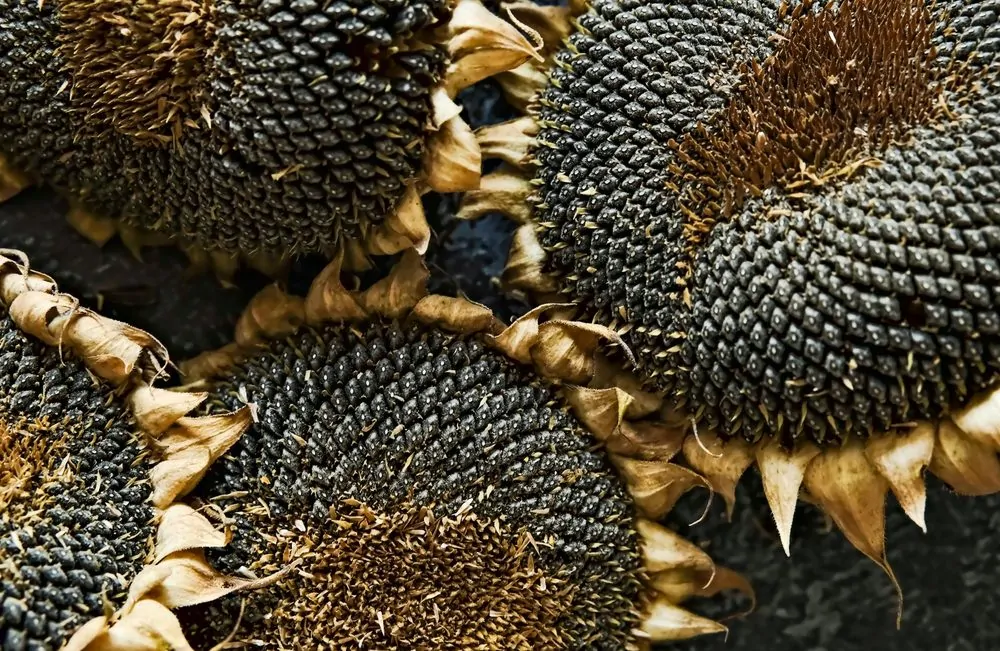
- Sunflowers : the heads are ready when they turn brown and dry. Cut them and let them dry in a dry place before rubbing to extract the seeds.
- Lavender : harvest lavender spikes when they are fully in bloom. Hang them upside down in a dry, airy place to dry. Once dry, rub the spikes to extract the seeds.
- Basil : for basil, let the flowers go to seed and dry on the plant. Then harvest them, and dry in a well-ventilated area before crushing to extract the seeds.
- Radishes : let a few radish plants go to seed. Once the pods are dry and brown, harvest and crush them to release the seeds.
- Leaf lettuces : for lettuce varieties, let some plants bolt and go to seed. Harvest the stems that contain the seeds when dry and brown, then shake them to release the seeds.
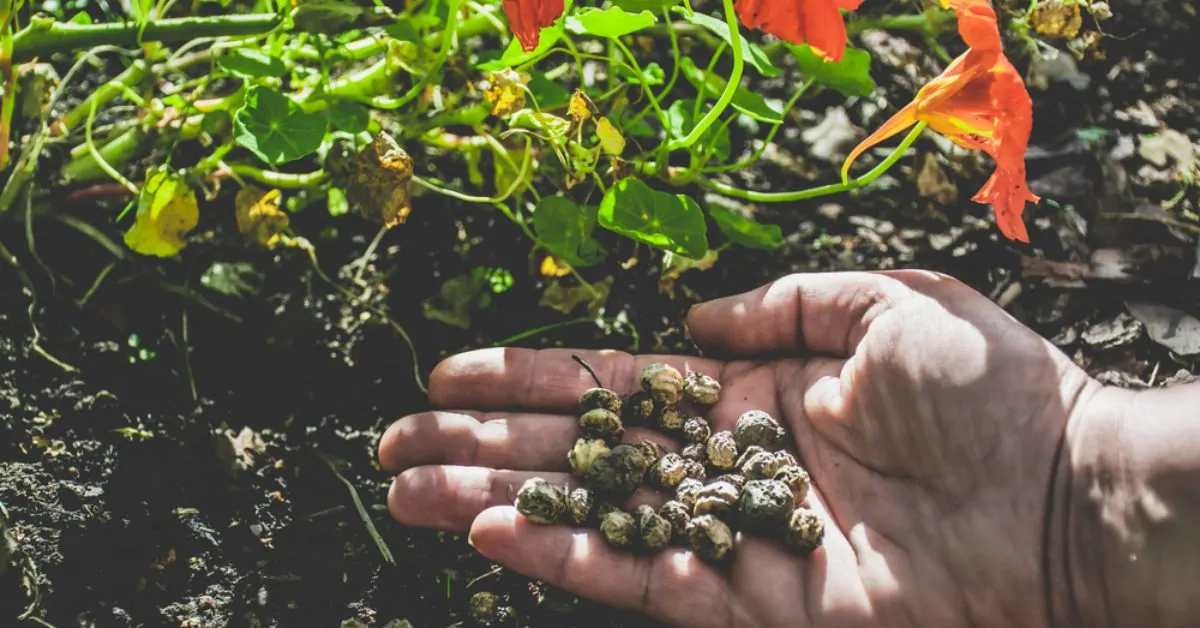
- Nasturtiums : let nasturtiums produce seeds and harvest them when they are dry and hard. Store them in a dry place until the following spring.
Storing seeds
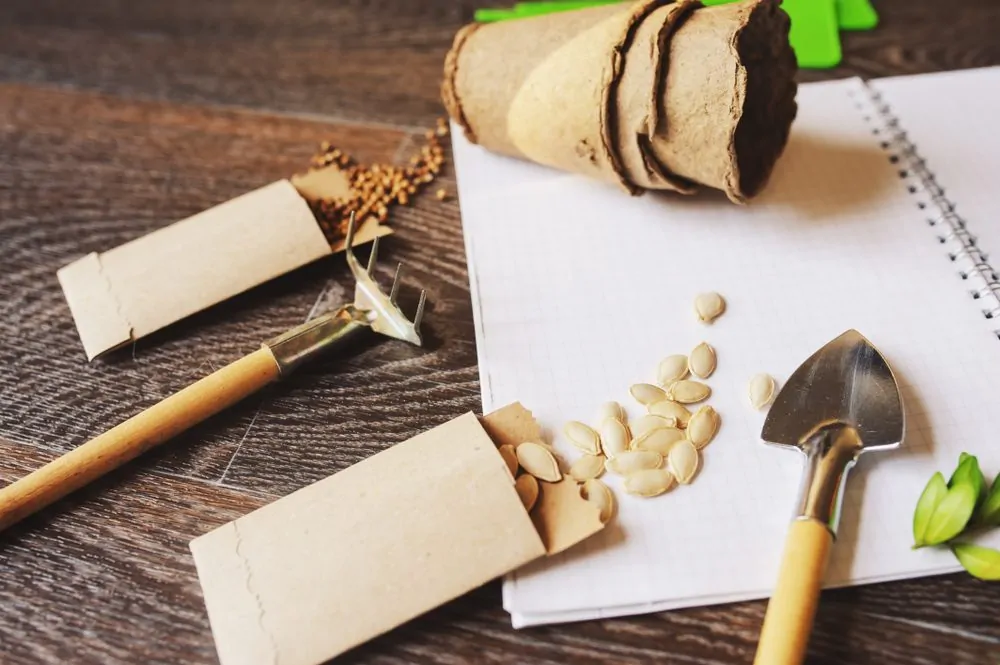
Seed storage also requires careful attention to maintain viability. They should be kept in a cool, dry place, away from direct light. Moisture is the enemy of stored seeds, as it can promote mold and premature germination. Silica gel packets can be used to control humidity in storage containers. It is also important to label each container clearly with the plant name, harvest date, and any other pertinent details.
The shelf life of seeds varies greatly by species. Some seeds stay viable for five years or more, while others lose their germination ability quickly. Regularly rotating your seed stock and using the oldest seeds first helps maintain a living, diverse stock.
Finally, seed swapping is a wonderful way to enrich your garden while building connections with other gardeners! It’s an invaluable source of discovery and ongoing learning.
By deepening your knowledge and refining your techniques, you ensure not only the continuity of your favorite plants but also contribute to the richness and diversity of the plant world. A constant learning journey, where every seed you plant becomes a natural treasure to preserve and share…