

A staple on many tables, black pepper elevates dishes while helping to curb added salt. This spice contains piperine, responsible for its characteristic heat and studied for several effects on the body. Its benefits are noteworthy, provided we don’t attribute to it powers that research has not yet confirmed in humans.
Black pepper: A look at this spice that means well for us
Used for centuries in traditional Ayurvedic medicine, Piper nigrum is today studied for its richness in piperine. This alkaloid gives pepper its characteristic bite and contributes to several of its biological effects.
In cooking, its practical value is very tangible: it flavors foods and can help reduce the amount of salt added. Freshly ground, it delivers more aroma than pepper that has been ground into a powder and stored for a long time.
Digestive properties
Black pepper has traditionally been valued for its action on digestion. Piperine stimulates certain digestive secretions and the activity of pancreatic enzymes. These mechanisms have mostly been studied experimentally: they do not support pepper as a treatment for digestive disorders.
For some people, its heat can instead cause burning sensations or worsen discomfort. It is therefore best to consume it in moderation in cases of reflux, gastritis, ulcers, or esophagitis, and to follow the guidance of a health professional.
Microbial effects studied in the lab
Extracts of black pepper and piperine have shown activity against certain microorganisms in laboratory experiments. This does not mean pepper disinfects foods or cures an infection. In cooking, hygiene and storage rules remain essential.
Antioxidant properties
Black pepper contains compounds capable of limiting certain oxidation reactions in laboratory settings. They contribute to the diversity of antioxidants provided by a diet rich in vegetables.
Sprinkling a dish with pepper does not compensate for an unbalanced diet. Fruits, vegetables, legumes, nuts, and whole grains remain the main sources of a wide variety of protective compounds.
Is black pepper a weight-loss ally?
Piperine is studied for its possible effects on metabolism, thermogenesis, and fat cell formation. Much of this work, however, relies on cells or animals, sometimes at doses not comparable to culinary use.
To date, adding pepper to meals has not demonstrated a notable weight-loss effect in humans. Its real edge lies elsewhere: it adds depth to vegetables and homemade dishes without introducing sugar, fat, or extra salt.

The Different Peppers
Black pepper, green pepper, white pepper, and red pepper all come from the pepper plant Piper nigrum. Their color and flavor depend mainly on the degree of ripeness of the berries and their processing.
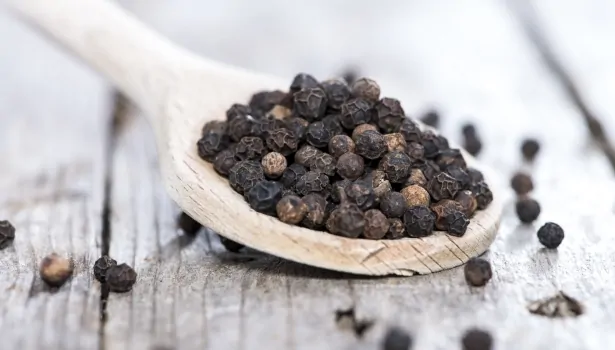
- Black pepper: The berries are harvested while still green, then ferment and dry until dark and wrinkled. Its flavor is bold and warm.
- Green pepper: The berries are picked before they fully mature, then preserved by drying, brining, or freeze-drying. Its flavor is fresh, vegetal, and less pungent.
- White pepper: The ripe berries are soaked to remove their outer hull, then dried. It offers a subtler heat and earthier notes.
- Red pepper: The berry is harvested at full ripeness, then dried or preserved. Less common, it develops fruity notes and a complex heat.
- Grey pepper: This is usually ground black pepper, with a powder that blends the light heart and the dark husk.
To go further
Black, white, green, or red pepper: each variety has its own aromas and culinary uses. Explore in detail the different peppers and our tips for using them well.
Does piperine improve nutrient absorption?
Piperine can modify the absorption and metabolism of certain substances. It is notably known for strongly increasing the bioavailability of curcumin in concentrated formulations.
This so-called “bioenhancer” effect is not always advantageous. At high doses, piperine can also alter the action or concentration of medications in the body. The amount used to season a dish is not comparable to that found in a dietary supplement.
If you are on regular medications, consult a doctor or pharmacist before using a concentrated piperine supplement, especially if combined with turmeric. This precaution is especially important for drugs with a narrow therapeutic index. In cooking, moderate use of pepper raises far fewer questions.
Other benefits of black pepper: what we can actually say
Experimental work explores the anti-inflammatory, antioxidant, neurological, and anticancer effects of piperine. These leads are interesting, but they do not prove that pepper prevents or treats cancer, depression, or anxiety disorders.
Piperine has also been tested in a few experimental medical preparations against vitiligo. That does not justify applying pepper or a homemade preparation to the skin, which could cause irritation. Vitiligo requires medical diagnosis and dermatological follow-up.
Finally, the aphrodisiac reputation of pepper largely belongs to traditional uses. No reliable effect on libido has been established by ordinary consumption of this spice.
How to get the most out of black pepper in the kitchen?
Prefer whole peppercorns and store them in an airtight container, away from light, heat, and humidity. Grind only the amount you need: the volatile aromatics dissipate quickly once the pepper is ground.
Pepper can be added during cooking for a mellower flavor, or at the last moment to preserve its scent and bite. It enhances roasted vegetables, soups, eggs, sauces, marinades, and even certain fruit desserts.
To vary flavors, try different origins and grind sizes. Cracked pepper is well suited for marinades, while a fine grind disperses more easily in a sauce.
Now you’ll never pepper your dishes with indifference again! This spice has real culinary merits and some promising properties, but moderation and nuance remain essential.