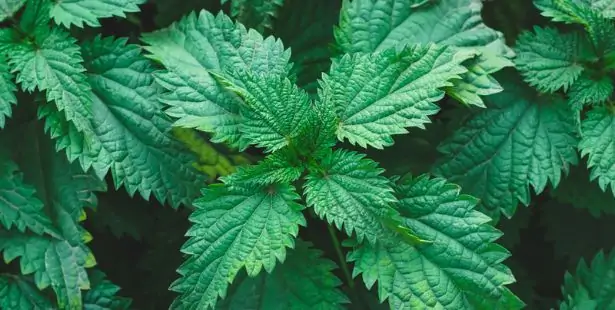
Nettles are rich in nutrients such as nitrogen, potassium, and phosphorus, making them a good fertilizer.
Leaves or nettle tea: nettle is a good natural fertilizer for tomatoes
Tomatoes are generally grown using substantial amounts of fertilizer. But rather than turning to chemical fertilizers, why not use natural fertilizers that you might even harvest right in the garden? One plant that can serve as a fantastic fertilizer is nettles. Nettles are ubiquitous in nature, so you can easily pick them yourself (gloves recommended, of course). You then strip the leaves from the stems, discard the stems, and lay the leaves at the base of the tomatoes.
Another option is to prepare a nettle tea. It is made from plants harvested between April and September. This time, you should use the whole plant. Cut the plants into small pieces (to speed up the fermentation process), place them in a container, add water (about 10 L per 1 kg of plants), and let ferment for 15 to 21 days (depending on the ambient temperature), stirring daily. After this time, strain the tea using a cloth. The nettle tea thus obtained can be used for up to a year if stored in the shade and in a cool place (for example in a basement).
Nettle, a natural fungicide and insecticide
When tomato beds begin to grow and it’s time to apply the nettle tea, set up a routine to spray it once a week. It should be diluted in water (10 L of water for 1 L of nettle tea) and applied at about 1 liter per square meter.
If nettles are so prized as a fertilizer, it’s because they promote tomato growth thanks to their high content of nutrients such as nitrogen, potassium, and phosphorus. Additionally, nettles have protective powers: they act as a fungicide (against late blight) and as an insecticide (against aphids and mites).
What are other natural fertilizers for tomatoes?
Among other plants that can be used as natural fertilizers for tomatoes are comfrey, horsetail, and dandelion. Like nettles, these plants are nutrient-rich and also have protective properties. They can be used in the same way, either as a liquid fertilizer or by placing the leaves at the base of the plant.
Tips to extend the tomato season
Here are some tips to extend the tomato season:
– Pick tomatoes when they are not fully ripe and store them in a cool, dry place. They will ripen gradually, letting you enjoy them longer.
– Grow different varieties that ripen at different times. This way, you can have fresh tomatoes at the start of the season and at the end!
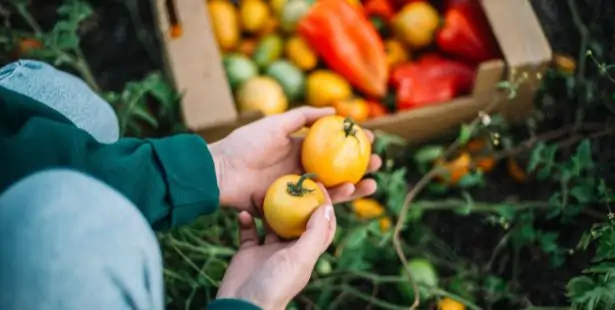
Avoiding tomato diseases
Tomatoes are often affected by diseases, especially if they are not well ventilated. To prevent this, follow these tips:
– Rotate tomato plants to new locations each year so diseases are less likely to attack the plants.
– Use a net or fine mesh to protect plants from insects that could spread diseases.
– Remove and destroy diseased plants.
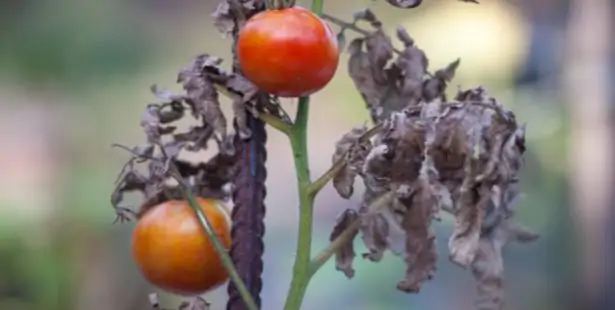
Tomatoes turning yellow: what to do?
Early signs of trouble are often a change in tomato color. If the fruits begin to yellow or blacken, they may be affected by a disease called blossom end rot. This disease is caused by a calcium deficiency in the plant. To prevent it, make sure you water your plants. If the disease has already appeared, remove the affected fruits and dispose of them immediately.
It’s also important to understand the different types of fertilizers and how they work to choose the right one for your garden. For example, organic fertilizers release nutrients slowly over time, while chemical fertilizers provide a rapid nutrient boost. However, chemical fertilizers can also contain harmful chemicals that can pollute the environment and harm your plants. That’s why using nettles as a natural fertilizer for tomatoes is advantageous.