
Millions of Americans take cholesterol-lowering medication to reduce their cholesterol levels. Yet this substance is often misunderstood. It is essential to the body, but its buildup in the arteries increases cardiovascular risk. Where does it come from? Should eggs be banned? Does the “good cholesterol” really protect? Here are answers to the most frequently asked questions.
What to remember
- Cholesterol is mainly produced by the body, primarily in the liver.
- LDL cholesterol promotes atherosclerosis when present in excess.
- LDL targets depend on an individual’s cardiovascular risk.
- A Mediterranean-style diet, physical activity, and quitting smoking remain essential.
Where does cholesterol come from?
Cholesterol has two origins. Contrary to a common belief, the majority does not come directly from what we eat.
The body makes cholesterol naturally, primarily in the liver, but also in other cells. This internal production is called endogenous. It varies with genetics, age, hormonal status, and certain diseases.
Diet contributes only a smaller share of circulating cholesterol. The body also has regulatory mechanisms. When dietary intake increases, it can reduce its own production, but this compensation varies from person to person.
Liver function, hypothyroidism, diabetes, certain kidney diseases, or certain medications can also alter the lipid balance.
What is cholesterol used for in the body?
Cholesterol is not a poison. Without it, our bodies could not function properly. It helps notably:
- to the structure of the membranes of our cells;
- to the production of several hormones, including sex hormones and cortisol;
- to the production of bile acids necessary for the digestion of fats;
- to the synthesis of vitamin D;
- to the functioning of the brain and nervous system.
The problem is therefore not the presence of cholesterol, but its transport and its excessive accumulation in the arteries.
“Good” and “bad” cholesterol: what’s the difference?
Cholesterol does not travel alone in the bloodstream. It is carried by particles made of fats and proteins, called lipoproteins.
The terms “good” and “bad cholesterol” thus refer to the carriers, not to two different cholesterols.

LDL cholesterol
Low-density lipoproteins, or LDL, carry cholesterol from the liver toward the body’s cells.
When these particles are too numerous, they can penetrate the arterial wall. They then contribute to the formation of atherosclerotic plaques. These deposits gradually narrow the vessels and raise the risk of heart attack or stroke.
This is why LDL cholesterol is commonly labeled as “bad cholesterol.” It is the main target of treatment for cholesterol excess.
HDL cholesterol
High-density lipoproteins, or HDL, participate in reverse transport. They pick up some cholesterol from tissues and return it to the liver, where it can be recycled or eliminated.
A low HDL can be associated with a higher cardiovascular risk. However, a high HDL level alone is not enough to counteract the effects of high LDL, smoking, high blood pressure, or diabetes.
Does a high HDL level actually protect the heart?
Not completely. HDL remains an interesting indicator, but it should not be considered an absolute shield.
Research has shown that artificially increasing HDL does not necessarily reduce the number of cardiovascular events. Physicians therefore focus mainly on lowering LDL and reducing overall cardiovascular risk.
This risk depends on many factors: age, blood pressure, smoking, diabetes, family history, kidney disease, or a history of heart attack or stroke.
Drinking alcohol to try to raise HDL is a bad idea. Any potential effects on this marker do not offset the risks associated with alcohol.
How to read a cholesterol panel?
The lipid panel typically measures total cholesterol, HDL cholesterol, and triglycerides. LDL cholesterol is measured directly or calculated by the lab.
Total cholesterol provides initial information, but it is not enough to assess risk. Two people with the same result can have very different cardiovascular profiles.
There is no longer a single universal threshold for everyone. The LDL target is set according to an individual’s risk level. As rough guidelines, it may be targeted at:
- below 130 mg/dL when cardiovascular risk is low;
- below 100 mg/dL in case of moderate risk;
- below 70 mg/dL when risk is high;
- below 55 mg/dL when risk is very high.
The desired triglyceride level is generally below 150 mg/dL. These figures should always be interpreted by a healthcare professional.

Attention: never modify a cholesterol-lowering treatment based on a lab result or online advice. Talk to your doctor or pharmacist.
Discover
Cholesterol dossier: HDL, LDL, diet and practical tips
Is dietary cholesterol really the main culprit?
No. For most people, saturated fats and overall diet quality influence LDL more than the cholesterol naturally present in foods.
The main sources of saturated fats are processed meats, some fatty cuts of meat, butter, cream, cheeses, and many ultra-processed foods. They are also present in certain vegetable fats, notably palm and coconut oil.
Sugar does not directly turn into LDL cholesterol. However, excessive intake of sugary drinks, pastries, and ultra-processed foods can promote weight gain, higher triglycerides, and an unfavorable lipid profile.

Should you cut eggs out if you have high cholesterol?
Egg yolks naturally contain cholesterol. That does not mean eggs must automatically be banned.
For most people, moderate consumption can fit into a balanced diet. The effect depends on the rest of the plate, how often you eat them, and your medical profile.
Better to avoid routinely pairing eggs with processed meats, butter, or fried foods. If you have diabetes, familial hypercholesterolemia, or cardiovascular disease, personalized advice is preferable.
What foods help lower LDL cholesterol?
No single food makes cholesterol disappear on its own. However, a diet rich in fiber and unsaturated fats can help reduce LDL.
Prioritize especially:
- whole vegetables and fruits;
- legumes, such as lentils, chickpeas, and beans;
- oats and barley, high in soluble fiber;
- unsalted walnuts, hazelnuts, and almonds;
- canola, olive, or walnut oils;
- fish, including fatty fish at least once per week.
Replacing part of butter, fatty meats, and processed meats with vegetable oils, legumes, or fish is more helpful than simply removing a single food.
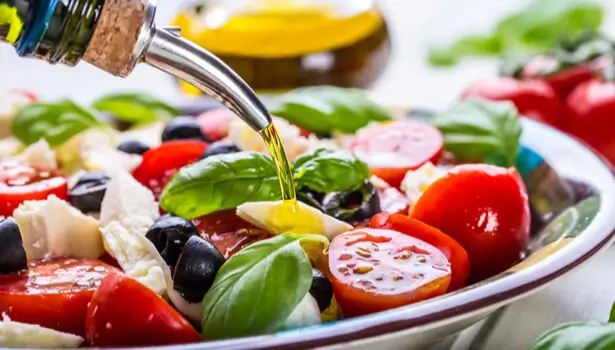
The Mediterranean diet brings these principles together. It emphasizes plants, whole grains, legumes, and unsaturated fats.
What about phytosterol-enriched foods?
Phytosterols are plant compounds whose structure resembles cholesterol. At certain doses, they can reduce intestinal absorption and LDL.
However, lowering a biomarker does not automatically prove a reduction in heart attacks or strokes. Enriched products are therefore not essential for everyone.
They are particularly not recommended for children, pregnant or nursing women. If you are on medication, consult a health professional before consuming them regularly.
Can you increase the “good” cholesterol naturally?
The main goal is no longer to raise HDL at all costs. It is more relevant to address overall risk factors.
Regular physical activity, quitting smoking, a balanced diet, and reducing sedentary behavior improve cardiovascular health.
For adults, a common goal is to achieve at least 150 minutes of moderate-intensity activity per week. Brisk walking, cycling, swimming, or active gardening can help reach this target.
When are statins necessary?
Statins reduce the liver’s production of cholesterol and lower LDL. They are particularly useful for people with cardiovascular disease or high risk.
The prescription does not depend solely on the cholesterol level. The expected benefit is assessed based on each patient’s risk of heart attack or stroke.
Lifestyle changes remain essential, but they do not always replace treatment. Some forms of hypercholesterolemia, especially familial, require early medication management.
Muscle pain can occur. They should be reported to the doctor, who can look for another cause, adjust the dose, or propose another strategy. A treatment should never be stopped by yourself.
Cholesterol: daily habits for a healthier heart
To protect your heart, prioritize a holistic approach: home-cooked meals, a variety of plant foods, regular physical activity, adequate sleep, and quitting smoking.
An isolated lipid panel only tells part of the story. Its interpretation should take into account blood pressure, diabetes, medical history, and lifestyle.
Cholesterol is essential to life. When it becomes excessive, the goal is not to eliminate it, but to bring LDL to a level aligned with your cardiovascular risk.
Read also