
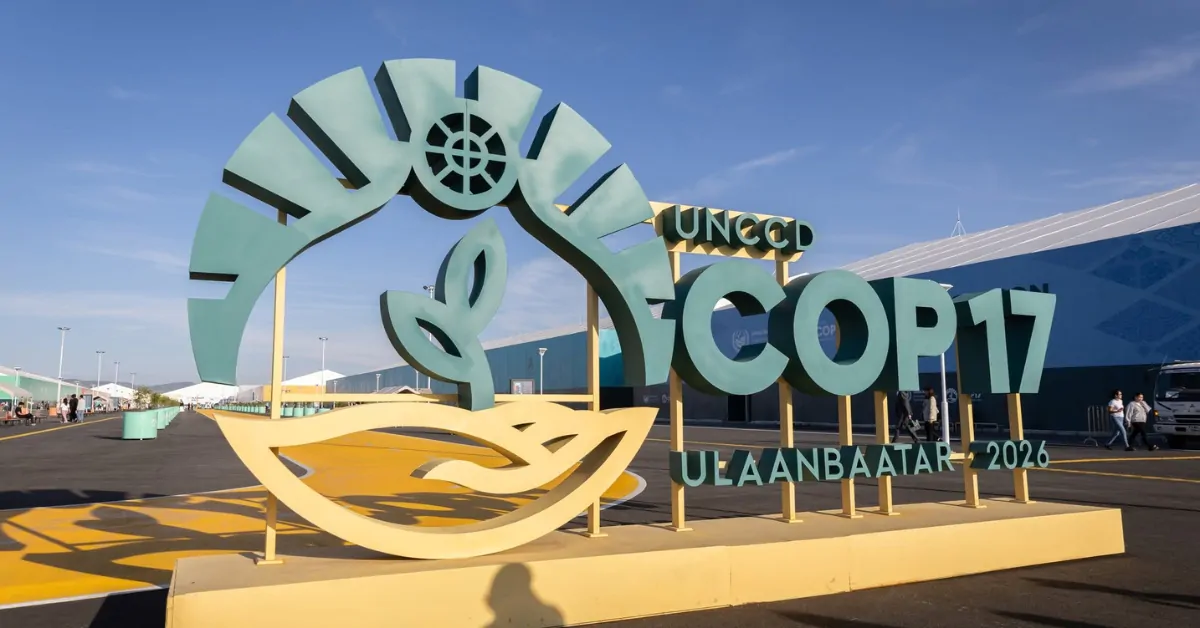
COP17 on biodiversity is taking place in Armenia until October 30. Although members of the French government regularly reaffirm their commitment to basing public action on scientific rigor, recent legislative and regulatory choices show instead a deliberate distancing from ecological consensus.
Removed Monitoring Indicators
On the agricultural front, the administration clearly favors productionist demands at the expense of ecosystem protection. Recent laws authorize the reintroduction of pesticides that are known to be harmful to biodiversity and pollinating insects. To justify these choices, the government deliberately tends to blur the regulatory European or national agencies (whose legal standards evolve slowly) with independent scientific research. More and more disqualified or ignored in political arbitrations, the researchers’ expertise is being equated with mere ideological opinion.
To mask these concessions, the government’s strategy also relies on modifying or deleting tracking indicators. The Ecophyto plan’s evaluation methods have thus been altered to display an artificial reduction of phytosanitary products, while the official vocabulary evolves to erase key terms such as “agroecology”. From the disappearance of small streams from official maps to the abandonment of certain embarrassing studies on water management, this handling of environmental data allows continued polluting practices without taking on unfavorable balances.
COP17 biodiversity : nations facing the urgency of life
A Weakened Scientific Community
Similarly, the creation of marine protected areas across large stretches largely resembles a marketing exercise: the majority of these zones continue to tolerate destructive industrial practices such as deep-sea trawling. Likewise, national reforestation plans sometimes favor clear-cutting and the planting of biodiversity-poor monocultures of resinous trees, while the regulations ease the destruction of agricultural hedges under the pretext of modernization.
Finally, this questioning of living protections is accompanied by a direct weakening of the scientific community. Biodiversity research laboratories face budget cuts, redirected toward technological innovations. By reducing funding for fundamental research and allowing deregulation at the European level to take hold, authorities also undermine scientists’ ability to raise the alarm.
Also read
COP17 in Mongolia: Desertification at the heart of a decisive summit