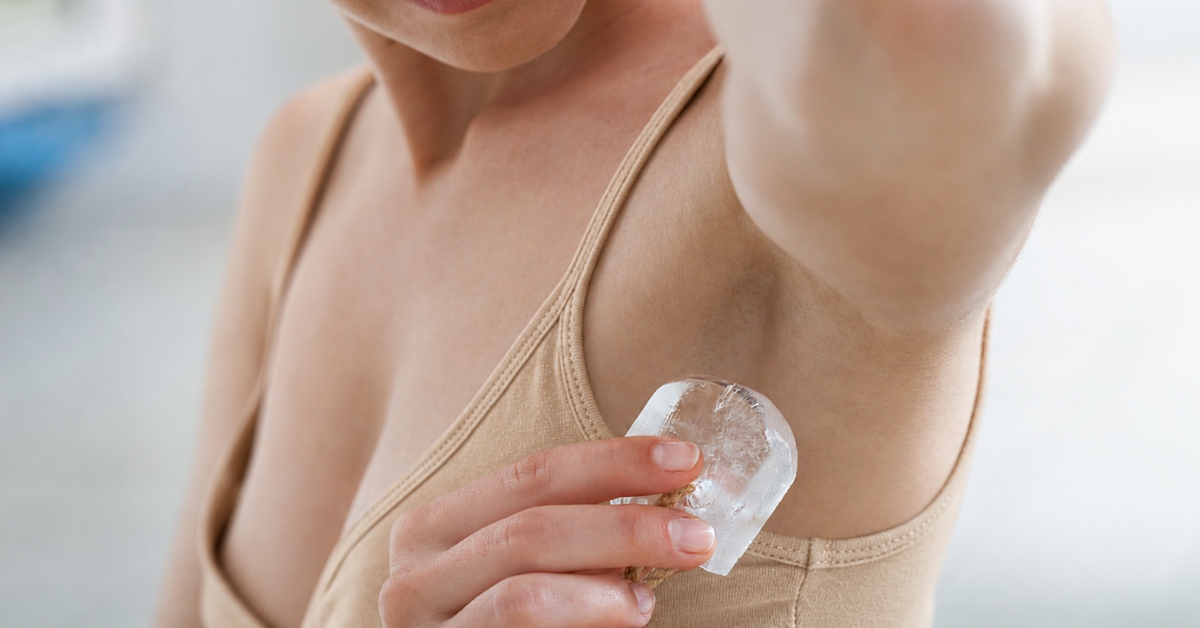
For years, alum stone has been touted as an eco-friendly alternative, yet it isn’t without health questions.
Alum stone, that small white-to-translucent block, has become a staple in eco-friendly bathrooms in recent decades. Astringent, hemostatic, and antibacterial, it serves as both a natural deodorant and an aftershave treatment. But beware: not all alum stones are equal. Some synthetic versions raise health concerns.
Natural or synthetic, eco-friendly or controversial, alum stone deserves closer attention before using it daily. Behind its minimalist cosmetic image lie several realities.
Alum Stone: What exactly is it?
Contrary to what one might think, the alum stone does not exist in nature as a ready-to-use block. It is obtained from minerals containing alum, such as alunite or kalunite. These rocks are then heated and transformed to obtain the crystals used in cosmetics.
This manufacturing process requires a lot of energy and water. The raw materials are often extracted far from Europe, notably in China, Turkey, or Panama. A detail that somewhat tempers its image as a totally eco-friendly product.
How to recognize a genuine natural alum stone?
On the market, several types of alum stones coexist. Yet their compositions vary widely.
Synthetic alum stone
Very white and often inexpensive, it is manufactured from ammonium alum. This version is generally not recommended, particularly because it contains compounds more controversial for health.
Note: some stones sold as “natural” are actually produced through a chemical process. Always check the packaging for the composition.
The alum stone marketed as “natural”
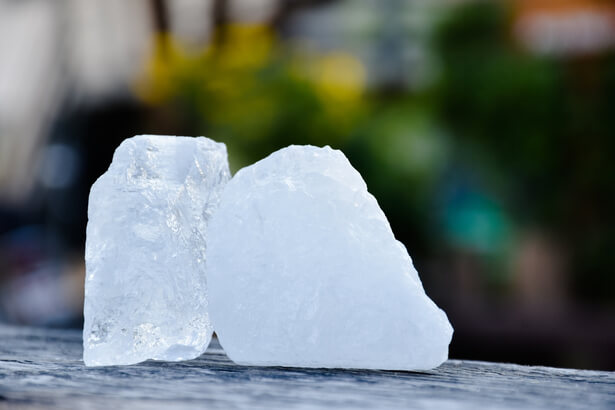
The most common on the market is composed of potassium alum, also called potassium alum. Semi-translucent, it is often presented as skin-friendlier.
The genuine natural alum stone
It is recognizable by its rougher, more irregular and translucent appearance. To limit over-processed products, opt for models certified Cosmebio or Ecocert.
Why is alum stone so appealing?
The natural alum stone has several advantages that explain its popularity in minimalist bathrooms.
First, it lasts a very long time: a single block can be used for several months, or even years. It also generates very little waste, as it is often sold in a simple cardboard packaging.
Another commonly appreciated advantage: it contains neither fragrance, nor alcohol, nor preservatives. This makes it an attractive alternative for people sensitive to scented deodorants.

How to use the alum stone?
As a natural deodorant
All you have to do is moisten it slightly before sliding it under your arms. Unlike a traditional antiperspirant, it does not block sweating: it mainly limits the bacteria responsible for body odor.
Tip: to reinforce the fresh feeling, some people moisten their alum stone with an hydrosol of witch hazel, peppermint, or sage.
After shaving
Thanks to its astringent properties, the alum stone is also used to calm razor burn and limit the small bleedings tied to micro-cuts.
It is sometimes applied punctually to certain pimples or skin imperfections, even if its drying effect should make you cautious.
Is alum stone dangerous to health?
The question comes up regularly, particularly because of the presence of aluminum in some traditional deodorants.
The aluminum salts used in conventional antiperspirants, notably aluminum chlorohydrate, are regularly called out. Several health authorities also urge limiting their use on irritated or freshly shaven skin.
Is potassium alum different?
The natural alum stone contains potassium alum, a form of aluminum salts distinct from those implicated in conventional deodorants. According to several manufacturers, this substance is less likely to penetrate the skin due to the size of its molecules.
Nevertheless, scientific studies remain insufficient to declare total long-term safety. Health authorities therefore advise caution, especially with daily use.
Use not recommended for sensitive skin
Alum stone can dry the skin. Some people notice redness, itching, or small pimples after repeated use.
Avoid: on irritated skin, freshly shaved skin, or very sensitive skin, alum stone may cause additional irritation.
Are there more eco-friendly alternatives?
If you want to completely avoid aluminum derivatives, other natural solutions exist. Baking soda, certain hydrosols, or aluminum-free solid deodorants are becoming increasingly popular with consumers.
The choice will largely depend on your skin sensitivity and your standards regarding cosmetic ingredients. Because while alum stone remains valued for its effectiveness and simplicity, it isn’t necessarily the miracle product that’s completely neutral for health and the environment.
What to know about alum stone
- The natural alum stone contains potassium alum, not the same aluminum salts found in some traditional antiperspirants.
- It acts against odors without blocking sweating.
- Synthetic versions based on ammonium alum should be avoided.
- Its total long-term safety remains debated.
- Sensitive skin may have trouble tolerating it on a daily basis.
Article updated