
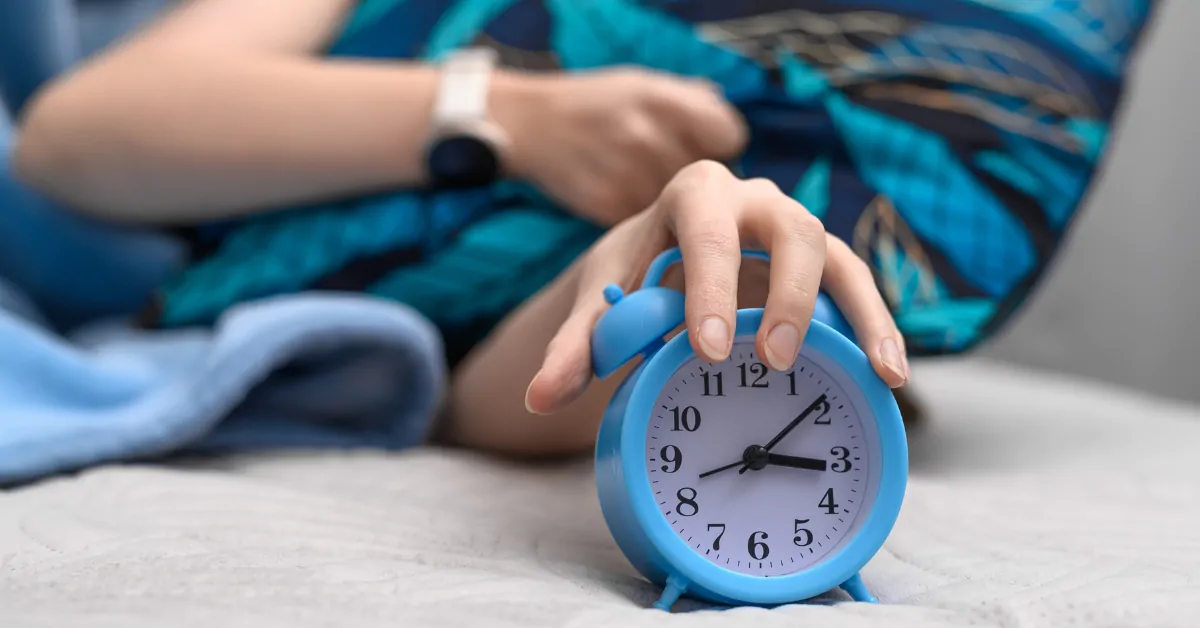
During the night from Saturday, October 24 to Sunday, October 25, 2026, at 3:00 a.m., it will actually be 2:00 a.m. This shift to standard time on paper grants us an extra hour of sleep. A real gift in appearance! Yet, in practice, our internal clock hasn’t been programmed for this time jump. Here are 7 simple tips to make this hour change align with calm and restorative nights.
Time Change and Sleep: Why Does It Wear Us Out?
Our body is naturally calibrated to a 24-hour circadian rhythm, synchronized with daylight. Just one small hour of shift is enough to throw off our cues.
Result? Falling asleep becomes harder, nocturnal awakenings multiply, and an inevitable mid-afternoon slump makes its appearance. While these effects vary from person to person, they typically last a few days.
The good news is that this transition to standard time is often better tolerated than the spring change. With a touch of foresight, the transition can unfold smoothly.
1. Shift your schedule gradually
Don’t wait for the fateful Saturday evening. Starting on Wednesday, October 21, or Thursday, October 22, begin pushing back your bedtime and wake time by about fifteen minutes each day.
By Sunday, your body will have already absorbed a good portion of the shift. It’s by far the most effective method, and it’s 100% free.
2. Get plenty of light first thing in the morning
Natural light remains the best tool to recalibrate our internal clock. As soon as you wake up:
- open the blinds wide to let in daylight
- have breakfast near a well-lit window
- step outside for fresh air for 20 to 30 minutes, even if the sky is gray
A cloudy sky still provides more brightness than indoor lighting. The ecological bonus? You keep lights off and save electricity.
3. Dinner earlier and keep it light
After the time change, your stomach may signal hunger sooner and your eyelids may grow heavy earlier. Listen to your metabolism:
- have your evening meal at least 2 1/2 hours before bed
- favor soups, seasonal vegetables, and whole grains
- avoid dishes that are too fatty, spicy, or hard to digest
A light, easily digestible dinner is the best ally to prevent insomnia and promote quick sleep onset. It’s also a great opportunity to whip up a tasty anti-waste veggie soup with leftovers!
4. Maintain regular sleep schedules
On Sunday, October 25, the urge to stay up late or sleep in will be strong. Resist this temptation:
- go to bed at the same time you usually do on Saturday night
- wake up at your usual time, without taking advantage of this “extra” hour to linger in bed
- if fatigue hits, allow yourself a micro-nap of 20 minutes maximum, and always before 3:00 p.m.
Food, wake time, and bedtime are the pillars of your chronobiological balance. Unwavering regularity ensures rapid adaptation.
5. Dim the lights in the evening
In the evening, overly bright lighting tricks your brain into thinking it’s still broad daylight. Slow down your pace at least an hour before bed:
- stay away from blue screens (smartphones, tablets, TV)
- opt for the cozy ambiance of soft, warm lamp lighting
- systematically turn off lights in rooms you aren’t using
6. Create a cool, calm bedroom
Sleep is deeper in a room that is temperate, quiet, and dark. Aim for a temperature between 60–67°F (about 17–19°C). In fact, dropping the thermostat by a degree in the bedroom is a key trick to ease your energy bill.
Don’t forget to air out your room for 10 minutes before slipping in, and hang heavy blackout curtains or close the blinds to block external light pollution.
7. Establish a relaxing bedtime ritual
There’s nothing like a routine to signal your body to unwind. Create a small nightly ceremony:
- enjoy a cup of herbal tea with lemon balm, verbena, or chamomile to help you relax
- take a warm shower to lower your body temperature
- read a few pages of a good book (paper format)
- practice slow, deep breathing to chase away stress
The next morning, reset your clock by spending a little time outside. Also consider avoiding stimulants (coffee, tea) after 2:00 p.m., as well as evening alcohol, which disrupts a solid night’s sleep.

How long does it take to get used to it?
For the vast majority of us, adaptation takes only a few days. However, if fatigue persists for more than two weeks, don’t hesitate to seek advice from your physician or pharmacist. Exercise caution with melatonin as a dietary supplement: it’s not a magic pill, and medical advice is recommended.
Takeaway: to navigate this time change without hassle, start adjusting your rhythm as early as October 21, soak up morning light, and opt for light dinners. Your body will take care of the rest.
Also read
Discover how this time transition more deeply affects our metabolism in our dedicated feature: Time Change and Health: How Our Body Pays the Price.