At home, 6% of drinking water is used for washing the car or watering the garden, according to data cited by ADEME. The share may seem modest, but it climbs quickly in summer. Amid drought, restrictions, and rising temperatures, every liter counts. Rainwater harvesting, mulching, plant choices, and targeted watering: here are the best practices to save water in the garden without sacrificing your crops.
What to remember
- Prioritize collecting rainwater and certain clean household waters for irrigation.
- Mulch the soil to slow evaporation and reduce watering needs.
- Water early in the morning or in the evening, right at the base of the plants.
- Check local restrictions in your municipality before each watering.
Collecting Rainwater for Garden Irrigation
The first reflex is to replace drinking water as soon as possible with a resource suited to irrigation. Rainwater is free, low in minerals, and easy to collect. A rain barrel connected to a downspout helps build a reserve for dry spells.
Choose a closed, stable tank with a lid. This minimizes the risks of falls, mosquito breeding, and debris buildup. A filter placed at the downspout catches leaves. An overflow outlet releases any excess when the tank is full.
Capacity depends on roof area, local rainfall, and garden size. A small tank may be enough for a few pots. A vegetable patch or a large bed will require more storage. Also explore other rainwater harvesting options.
Rainwater collected without indoor plumbing can be used to water green spaces and the vegetable garden. It should not be drunk or used for cooking or washing dishes.
Which Household Waters Can Be Reused in the Garden?
Some waters that are normally discarded can find a second use. For example, keep the rinse water from fruits and vegetables. Place a clean basin in the sink, then pour this water at the base of the plants.
The cooking water from vegetables can also be reused, provided it has cooled, is unsalted, and free of fat. Avoid pasta or potato water if it is very starchy. Use the recovered water promptly to prevent odors and the growth of microorganisms.
The water from a condensation dryer’s reservoir is not clean water. It can contain textile fibers, detergent residues, or other substances. As a precaution, do not use it on the vegetable garden, herbs, or fragile plants. Waste dishwater, bathwater, and shower water should not be poured directly onto the garden without an appropriate device.
Waste-not tip
Keep a small watering can by the sink: you’ll more easily remember to collect the clear rinse water rather than letting it go down the drain.
Pump Wells and Watercourses: Be Aware of the Rules
Do you own a well or borehole? Its domestic use is regulated. The construction of the facility must be declared, and withdrawals may be subject to drought restrictions. If the water is used to irrigate a vegetable garden, a sanitary quality analysis is required to verify its fitness for use.
Never connect the well or rainwater storage system directly to the public drinking-water network. A faulty installation could contaminate the public supply.
The presence of a stream near your property does not automatically authorize you to pump from it. Water-use rights apply notably to landowners along non-public streams. They remain subject to local regulations, prefectural orders, and the preservation of flow. During drought, withdrawals may be limited or prohibited.
During Drought: Check Restrictions Before Watering
Water restrictions are set locally at four levels: watch, alert, heightened alert, and crisis. They can limit watering times or ban certain uses. Rules vary by level, garden type, and area.
Before pulling out the watering can, check VigiEau or the prefecture’s order. Using a well, a rainwater reserve, or a drip-irrigation system does not automatically exempt you from restrictions. Failure to comply can lead to fines up to $1,500 for individuals, and $3,000 for repeat offenses.
Note
Timings and bans can change quickly. Always verify the rules tied to your address on the day you water.
Mulching and Loosening Soil to Preserve Moisture
The saying “one tilling is worth two waterings” reminds us that a superficially loosened soil absorbs water better than compact soil. Lightly scratch the surface, without damaging roots. Water then penetrates rather than running off.
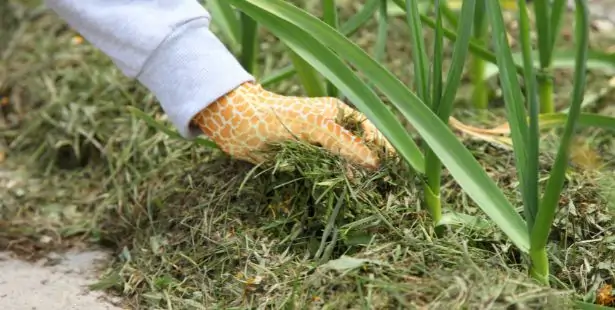
Complement this with natural mulch. Spread a layer of fallen leaves, wood chips, straw, or dried grass clippings. Mulch protects the soil from sun, slows evaporation, and reduces competing weeds.
A soil rich in organic matter also retains water better. Regularly add mature compost and avoid leaving bare soil. On sloped ground, form a shallow basin around plants so water stays near the roots.
Choosing Water-Smart Plants
The best way to save water is to plan so you don’t have to water daily. Before planting, observe sun exposure, soil type, and climate. A well-adapted species roots deeply and requires less irrigation.
Lavender, thyme, rosemary, sage, sedum, gaillardia, and certain varieties of asters resist well once established. Nerium oleander tolerates heat but remains toxic if ingested. Always tailor your choices to frost dates and the humidity of your region.
In the vegetable garden, needs vary by crop and growth stage. Root vegetables, chickpeas, fava beans, and some herbs can be relatively drought-tolerant after establishment. Lettuce, cucumbers, and zucchini require more regular watering. Even a plant that’s generally drought-tolerant should be monitored during the first weeks after planting.
Group plants by their water needs. That way you won’t water an entire bed to satisfy a single thirsty plant. Plant preferably in the fall when local climate allows: roots will benefit from rains before the following summer.
Water Less Often, But More Effectively
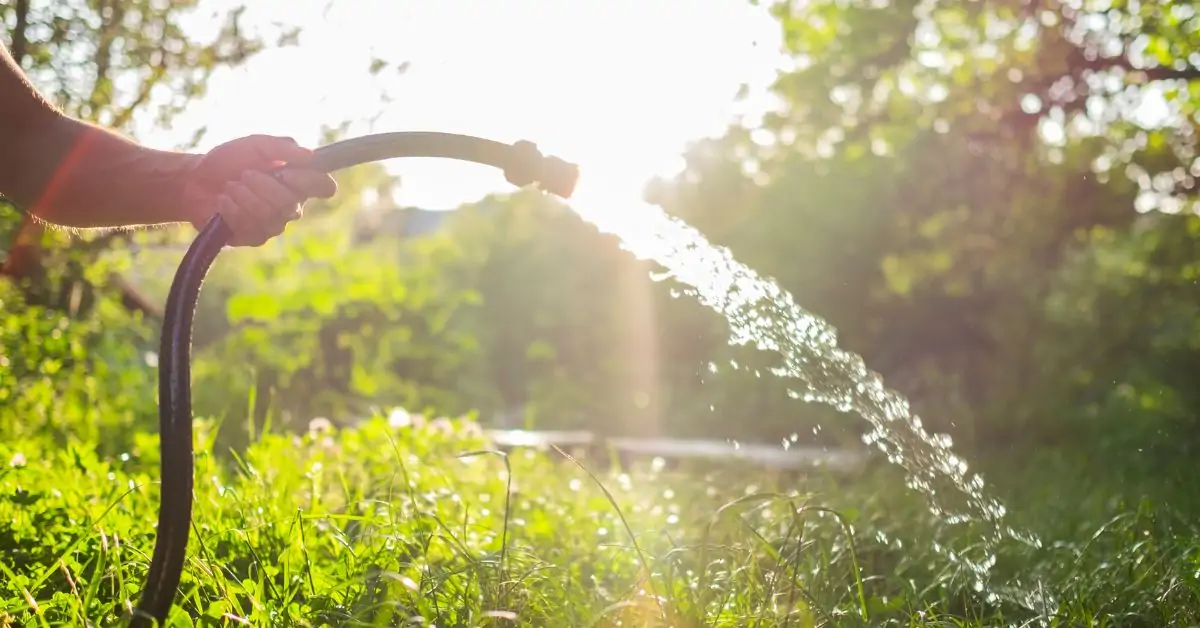
Efficient watering targets the roots, not the leaves. Drip irrigation and micro-sprinklers deliver water slowly at the base of plants. Regularly check for leaks and adjust duration to actual needs.
With a watering can, remove the nozzle for established plants and pour gently at the base. For seedlings, maintain a gentle shower to avoid displacing seeds. Avoid broad-spray irrigation, which wets paths and promotes evaporation.
Water early in the morning or in the evening, when temperatures are cooler and local restrictions permit. Morning is especially suitable when nights are cool or humid. A deep, infrequent water supply generally encourages roots to grow deeper, unlike small daily quantities that only moisten the surface. This rule should be adapted for seedlings, potted plants, and very sandy soils.
Before watering, press a finger or small trowel into the soil. A dry surface can hide moist soil a few inches below. You can also install a rain gauge to account for recent precipitation.
Lawn, Pots, and the Vegetable Patch: The Changes That Move the Needle
A lawn may yellow in summer without dying. It often goes dormant and greens up again with rainfall. Space out mowing, raise the mowing height, and leave some areas as prairie. You’ll reduce evaporation while providing a refuge for biodiversity.
Plants in pots dry out faster than those in the ground. Choose suitably large containers, place them in partial shade during peak heat, and top the root zone with light mulch. A saucer can hold some water, but it shouldn’t stay constantly full for plants sensitive to excess moisture.
In the vegetable garden, watch especially during critical periods: sowing, transplant establishment, flowering, and fruit formation. Regularly weed, as weeds also consume water. Harvest vegetables at maturity so the plant doesn’t continue to mobilize its resources unnecessarily.