

Each food has virtues for different parts of our body: the head, bones, muscles, or the stomach… But did you know there are foods that take care of your eyes while boosting your visual abilities?
Eye-friendly Foods for an Eagle Eye
Declining vision is an inevitable result of aging or eye strain, but did you know that a healthy lifestyle can drastically reduce the risk of eye health problems? Some nutrients, zinc, copper, vitamin C and E as well as beta-carotene found in foods can help you curb age-related declines in vision. Discover the panorama of these astonishing foods… for clearer sight.
Citrus Fruits
Citrus fruits are excellent for maintaining good eyesight. Think lemons, oranges, grapefruits, mandarins, and clementines.
When the visual system runs short on vitamin C, the lens forms a slight veil over the retina, degrading vision. Rich in vitamin C and powerful antioxidants, citrus fruits have anti-cataract properties (a condition affecting about 20% of people over 60).
The Carrot
The carrot isn’t just a charm on your plate: it’s rich in beta-carotene that the body converts into vitamin A. This plays a crucial role in vision, especially in the dark.

A deficiency in vitamin A can lead to a decrease in visual acuity and eye troubles such as conjunctivitis, cataracts, corneal ulcers, age-related macular degeneration (AMD), and even blindness.
The Green Cabbage
Leafy green vegetables are generally very good for the eyes because they’re rich in lutein. But the champion in the field is undoubtedly green cabbage, closely followed by spinach.
Green cabbage contains more than 20 mg of these micronutrients per a serving of about 250 g. Guess what to cook starting from October!
Spinach
Spinach is very rich in lutein. This micronutrient helps protect the center of the retina from oxidation by free radicals and light damage.
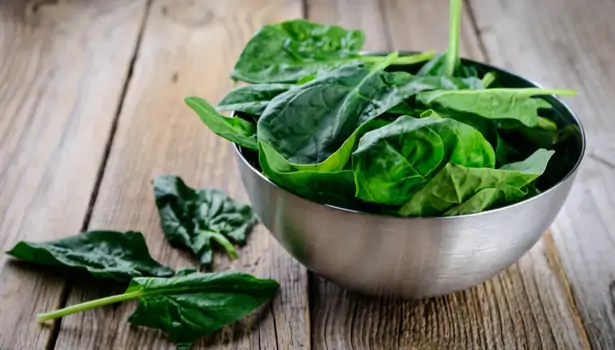
Regularly consumed, spinach thus contributes to improved protection against UV rays for the eyes and represents a real ally against aging of the eyes.
The Grapes
Grapes contain antioxidants, substances that protect eye cells from damage caused by oxidative stress. By increasing total phenol content, this seasonal fruit strengthens the eyes’ natural defenses against disease and premature aging.
Blueberries, Blackberries, and Black Currants
Purple berries improve night vision! The main constituents of these berries (the deep-red pigments anthocyanidins), combined with their natural vitamin C content, support the regeneration of retinal pigment, resulting in better visual acuity (help against myopia) and a positive effect on eye fatigue.
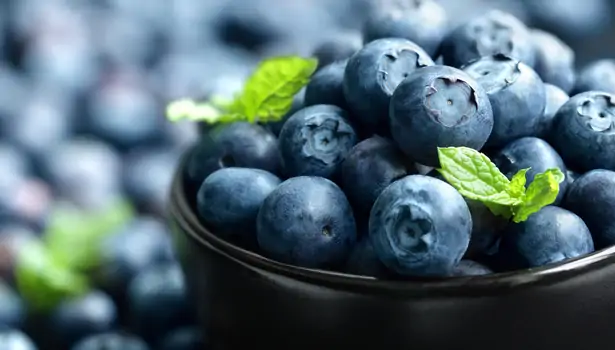
Consume as often as possible.
The Salmon and Fatty Fish
Salmon, just like tuna, is rich in selenium, excellent for preventing AMD (age-related macular degeneration) and cataracts.
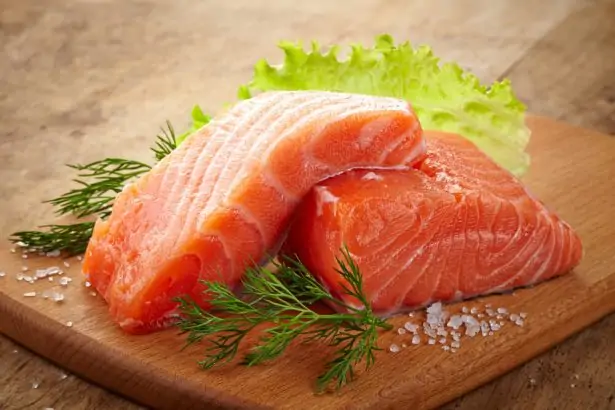
Moreover, the omega-3 fatty acids in fish are abundant in the retina and play an important role in the development of vision.
The Wheat Germ
Rich in zinc and vitamin E, wheat germ and wheat germ oil are excellent for preserving eye health. Vitamin E protects cell membranes.
Studies have shown that vitamin E can help prevent cataract development. Zinc, for its part, shields the eyes from macular degeneration.
Eggs
Richer in vitamin A, an essential element for proper retina function, eggs never cease to amaze us.

They’re also a source of lutein and zeaxanthin. A perfect food to fight age-related macular degeneration. Enjoy them if you like, but opt for organic or free-range.