
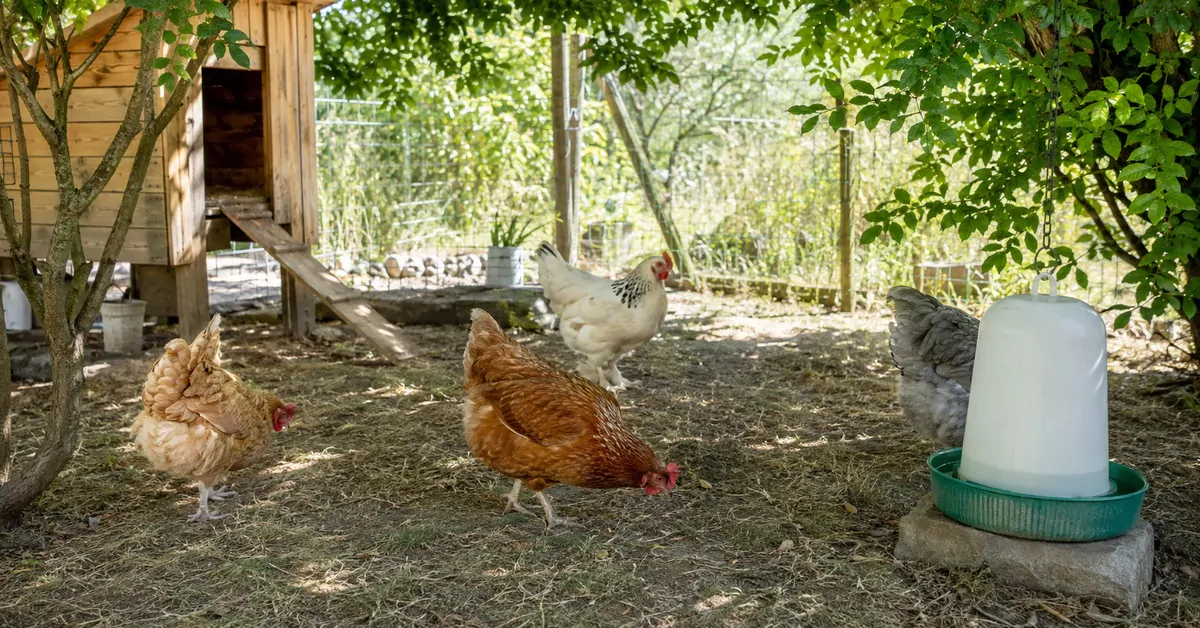
Chickens generally tolerate cold better than extreme heat. They do not sweat and primarily lose heat by panting and spreading their wings. During a heat wave, a few adjustments become essential to prevent dehydration and heatstroke.
Fresh water, shade, a well-ventilated coop, an appropriate diet, and monitoring of lay: here are the right steps to help your hens weather the heat with minimal stress.
Key takeaways
- Place several waterers in the shade and refresh their water regularly.
- Maintain effective air circulation without turning the bedding into a damp area.
- Provide the full ration during the cooler hours of the day.
- A hen that is prostrated, disoriented, or panting continuously should be attended to promptly.
Why are extreme heat conditions dangerous for hens?
The body temperature of a hen runs around 41 °C (about 106 °F). Its plumage protects well against the cold, but it also slows the shedding of heat.
As outdoor temperatures rise, a hen reduces activity, seeks shade, eats less, and drinks more. She also spreads her wings to allow air to circulate against her body.
The risk depends on temperature, but also on humidity, lack of wind, and the animal’s health. A hot, humid day can be more exhausting than a dry heat.
Older hens, those that are ill, overweight, or of a heavy breed are generally more sensitive. Extra vigilance is also necessary for chicks and broody hens.
Signs that a hen is too hot
A hen simply resting in the shade during peak heat is not necessarily sick. However, certain behaviors should alert you:
- rapid panting with the beak wide open;
- permanently lifted wings away from the body;
- unusual water intake;
- refusal to eat;
- very pale or very dark comb;
- stillness, weakness, or prostration.
Observing daily hen behaviors helps you spot anomalies more easily. You’ll also find the main steps for monitoring your hens’ health year-round further below.
Providing sufficient shade in the run
Hens should be able to access shaded areas all day long. Note that shade moves as the sun moves. Check the run in late morning and again in the afternoon.
Trees and shrubs offer natural shade and help air flow. If that’s not available, use a shade cloth, a low fence, or a shelter open on several sides.
Avoid low-lying heat-trapping metal panels. They can turn the shelter into a real oven.
You can slightly dampen a shaded patch of soil. The hens can scratch the ground and enjoy the coolness. Just make sure the area doesn’t become muddy.
Ventilating the coop properly during a heat wave
The temperature can rise quickly in a closed coop, especially when the roof faces the sun. Open the vents while keeping strong predator protection.
If air is not circulating enough, you can install a fan out of the hens’ reach. Protect electrical cords and avoid constantly kicking up dust from the bedding.
Don’t lock hens in a overheated shelter during the day. They should be able to choose between the coop and the various shaded areas in the run.
A light-colored roof, proper insulation, and well-placed openings will sustainably improve summer comfort. Plan these elements when building a practical, heat-ready coop for your hens.
The right move
Daily remove the most significant droppings and replace damp bedding around the waterers. Damp litter encourages odors, flies, and the growth of certain pathogens.
Fresh water, the absolute priority
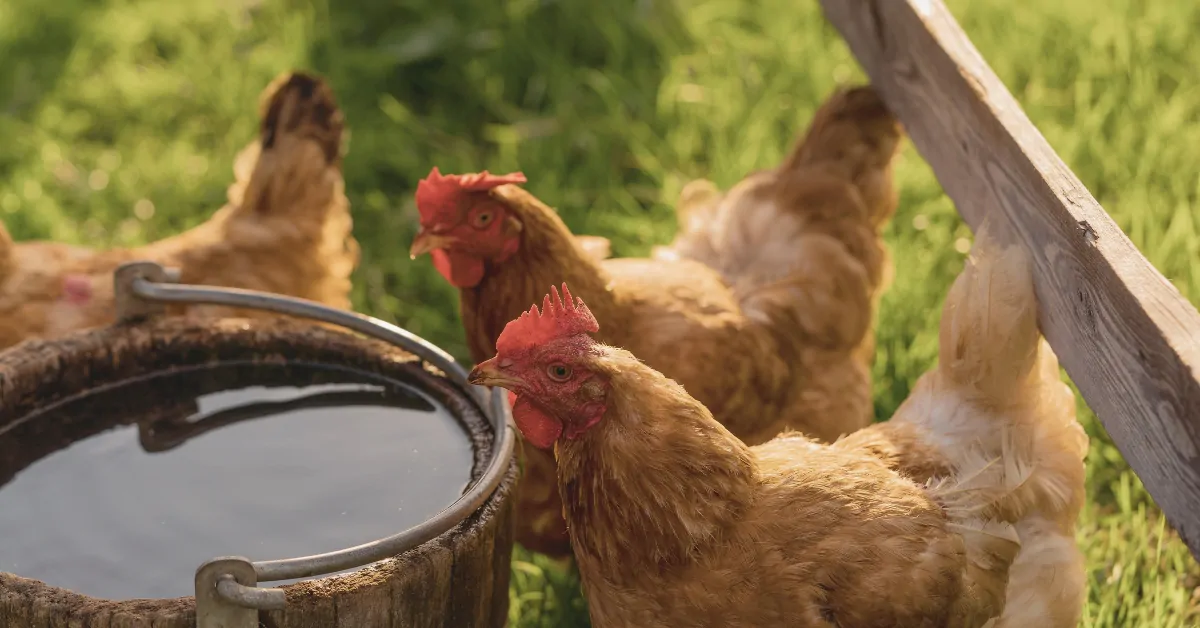
During hot periods, hens can drink a lot more than usual. One waterer can become insufficient, especially if it tips over or warms in the sun.
Place multiple water points in shaded spots. This also prevents a dominant hen from keeping others from drinking.
Refresh the water at least morning and evening, and more on an exceptionally hot day. Clean the containers daily to remove food scraps, droppings, and any slimy film that can form on the sides.
Water should be fresh, not ice-cold. A few ice cubes can slow warming, but you still need to refresh it regularly. A frozen water bottle placed next to the waterer can help keep it cooler longer.
Avoid routinely adding salt, vinegar, or home-made supplements. Poultry electrolytes can be useful, but they must be properly dosed. Consult a veterinarian if in doubt.
Adjusting feeding without upsetting the ration
Digesting food produces heat. Hens therefore tend to eat less as temperatures rise. Provide most of their ration early in the morning and again in the late afternoon.
Keep a complete feed formulated for laying hens as the base of their diet. This should remain their staple, even if appetite dips temporarily.
You can offer a few cucumber, zucchini, melon, or watermelon pieces. These watery foods provide a pleasant distraction, but they do not replace water or the usual ration.
Offer these foods in small quantities and promptly remove leftovers. Warm conditions cause them to ferment and attract flies.
Not all kitchen scraps are suitable for poultry. Before dumping plates into the run, check which leftovers are actually safe for hens.
How to cool hens without stressing them out?
Hens need shade, water, and air above all else. There’s no need to chase them with a hose—the action can raise their stress levels.
To improve comfort, place tiles or frozen water bottles wrapped in a cloth in the shaded area. Some hens will naturally come near them.
A very light misting can be considered when the air is dry and the space is well ventilated. However, it is not well suited to a humid environment. High humidity reduces the effectiveness of panting and can worsen heat stress.
Avoid plunging a hen abruptly into icy water. The sudden temperature change is too shocking and highly stressful.
What to do if a hen suffers from heat stroke?
A hen that can’t stand, looks disoriented, keeps her eyes closed, or panting without pause is in an emergency.
Move her immediately to a quiet, shaded, and well-ventilated spot. Gently moisten her feet, comb, and wattles with cool, not icy, water.
Keep water nearby. Never pour liquid directly into her beak if she isn’t drinking on her own—she could aspirate it.
Warning
A prostrate, unconscious hen unable to drink or showing balance issues should be examined by a veterinarian promptly. Heat stroke can be fatal.
Why do hens lay less when it’s hot?
A temporary drop in laying is common during a heat wave. The hen consumes less food and directs energy toward maintaining her body temperature.
Panting can also disturb the delicate balance required for shell formation. Eggs may become smaller or have thinner shells.
Do not attempt to force laying by cranking up supplements. Instead, maintain a balanced diet and provide a calcium source appropriate for layers, such as crushed oyster shells.
Laying usually returns to normal once temperatures drop, provided the hen stays healthy.
Collecting and storing eggs during hot weather
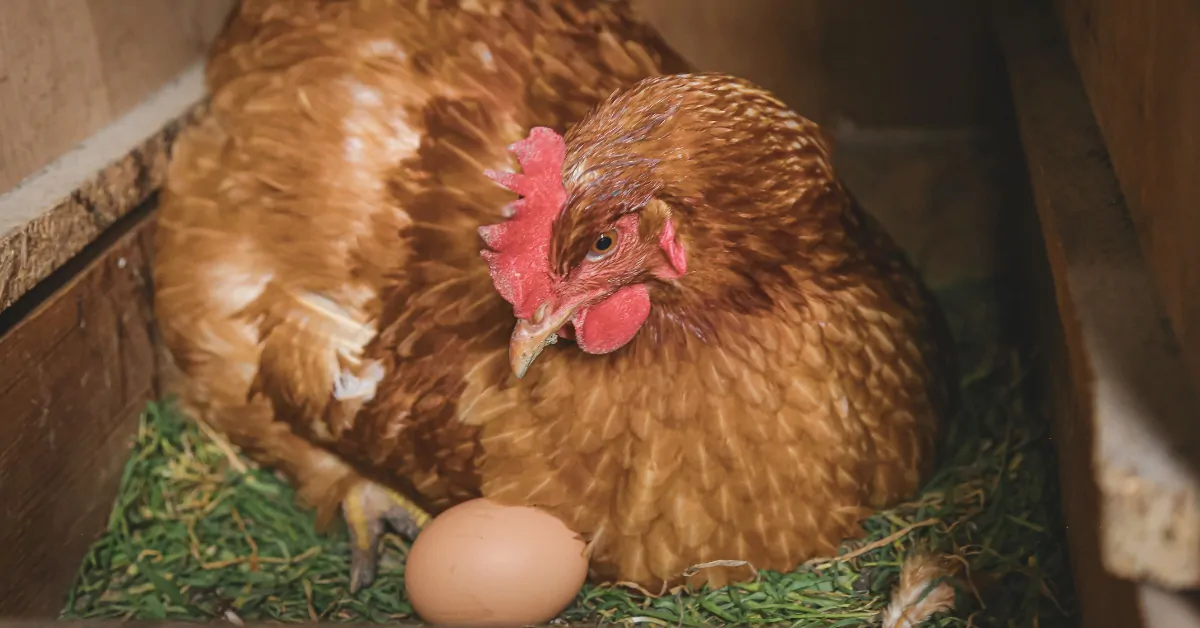
Nesting boxes should stay clean, dry, and shaded. Collect eggs at least twice a day so they don’t sit in a hot nest for hours.
Discard cracked or heavily soiled eggs. Do not wash eggs intended for storage: washing damages the shell’s natural protective coating and can allow bacteria to penetrate.
Store them at as stable a temperature as possible. Repeated fluctuations encourage condensation on the shell surface.
The routine to follow during a heat wave
Morning: refresh the water, clean the waterers, distribute the ration, and check that all hens are moving around normally.
Midday: check shade, ventilation, and water levels. Observe the hens discreetly without chasing them.
Late afternoon: refresh the water again if it has warmed, remove uneaten fresh foods, and collect the eggs.
Evening: ensure every hen returns to the coop and that none are prostrated in a corner of the run.
With this simple routine, your hens can slow their activity without risking their health. A temporary dip in egg production is far less important than their comfort and proper hydration.
Learn more about hens
- Feeding your hens: 6 common mistakes and how to avoid them
- Why do hens stop laying?
- Chicken coop setup: beware fines for non-compliance with regulations
- Tips and tricks for building a coop in your backyard