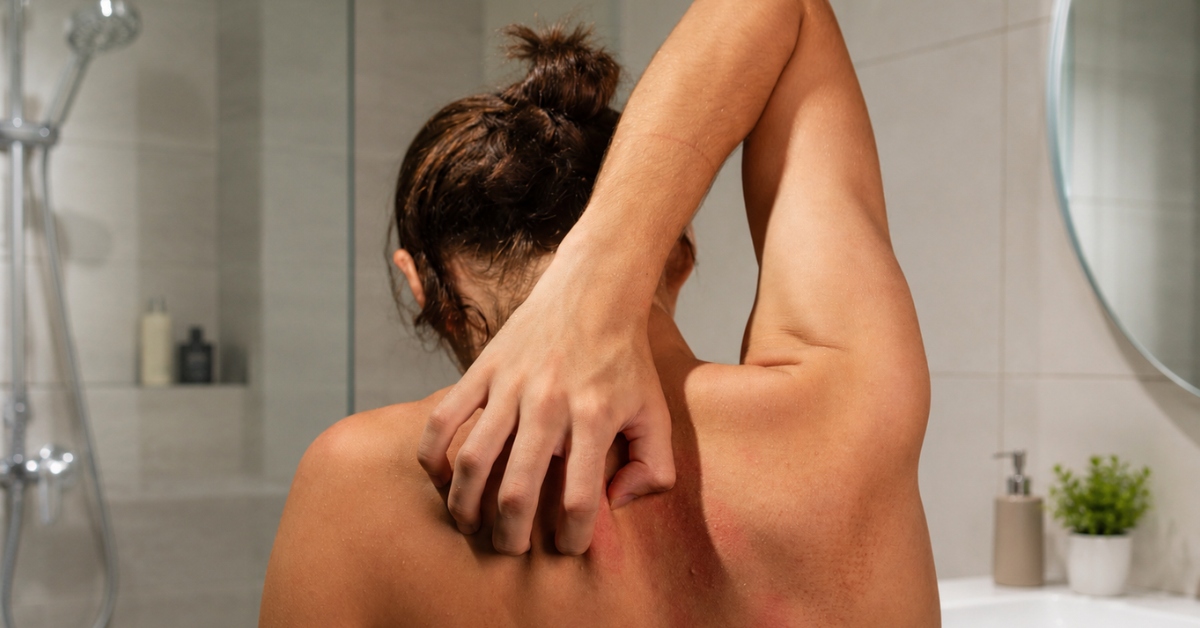
Urticaria, a relatively common skin condition and most often benign, affects nearly 20% of the population at least once in their lifetime. This inflammatory skin reaction can appear suddenly, provoke intense itching, and sometimes alarm when it is accompanied by significant swelling.
What exactly is urticaria?
Urticaria is a skin eruption characterized by the appearance of red or pinkish patches, slightly swollen and typically highly itching. These patches are superficial and localized, but they can involve any part of the body and move quickly from one area to another.
Lesions are caused by a reaction of the immune system, notably involving white blood cells called mast cells. These cells contain histamine, an inflammatory substance released when a triggering factor is encountered: allergen, heat, cold, stress, physical exertion or certain foods.
This release of histamine causes dilation of blood vessels and increased vascular permeability. The skin then becomes mildly swollen and the characteristic hives appear.
What are the main causes of urticaria?
The hives patches can appear as a result of very different mechanisms. Contrary to popular belief, not all outbreaks are related to an allergy.
An allergic reaction
True allergic urticaria remains relatively rare, but it can be potentially serious. When it comes into contact with an allergenic substance, the body produces specific antibodies called immunoglobulin E (IgE). This reaction triggers a massive activation of mast cells within hours of exposure to the allergen.
The patches are then particularly swollen and may be accompanied by other symptoms: cough, breathing difficulties, abdominal pain, vomiting or diarrhea.
Urticaria: when should you seek urgent care?
If symptoms worsen, breathing difficulties appear, or patches become deep and involve the face, lips or neck, a Quincke edema (angioedema) should be feared. This medical emergency requires prompt medical consultation or calling emergency services at 15.
A non-allergic cause
In many cases, urticaria is not linked to a strict allergy. Several factors can favor the release of histamine:
- certain foods rich in histamine or containing additives;
- medications such as antibiotics or non-steroidal anti-inflammatory drugs;
- cold, heat or sweating;
- emotional stress;
- viral infections, common in children;
- irritant products or certain plants.
Chronic stress and lack of sleep can also promote or worsen hives outbreaks in some sensitive people.

How to naturally relieve urticaria?
The first step is to identify and avoid triggering factors when they are known. Keeping a diary of outbreaks can sometimes help identify certain foods, medications, or situations that promote flare-ups.
A healthy lifestyle can also limit the intensity of inflammatory reactions, especially in chronic forms. An overly processed diet, high in fast sugars or saturated fats appears to promote the body’s general inflammation.
Sleep and stress management also play important roles. Even if stress is not always the direct cause of urticaria, it can clearly worsen symptoms in some people.
Essential oils useful for itching
Some essential oils are traditionally used to calm itching and soothe the skin. They should always be used with caution, diluted and after medical advice if in doubt.
German chamomile (Matricaria chamomilla)
Rich in chamazulene, the essential oil of chamomile has soothing and anti-inflammatory properties that are useful against itching.
Precautions: it is not recommended for pregnant and breastfeeding women, for children under 7 years old, and for people with a history of hormone-sensitive cancers.
For children over 3 months and pregnant women beyond three months of gestation, Roman chamomile may sometimes be preferred after consulting a health professional.
True lavender (Lavandula angustifolia)
Renowned for its soothing and restorative properties, true lavender can help calm skin discomfort sensations.
Precautions: this essential oil is not recommended for infants under three months and during the first trimester of pregnancy.
For skin application, it is recommended to always dilute essential oils in a suitable vegetable oil, such as calendula oil infusion.
Hydrosols and medicinal plants: gentle solutions
Blue cornflower or chamomile noble hydrosols can be applied topically to refresh and soothe sensitive skin.
On the medicinal plant side, plantain is traditionally used for its soothing properties on skin irritations.
When to consult a professional?
If outbreaks recur, last for several weeks, or are accompanied by significant symptoms, it is best to see a physician or an allergist to identify the exact cause.
Natural solutions can help relieve symptoms, but they do not replace medical follow-up, particularly in cases of chronic urticaria or severe reactions.