
Are you planning to insulate your home, replace the windows, and improve ventilation? Beware of keeping the heating system after the work. Starting September 1, 2026, a gas boiler could cause you to lose MaPrimeRénov’ eligibility within an extensive renovation.
The new rule does not apply to all works or all homes, however. It targets new applications filed for a detached house under the Accompanied Path. Here’s how to tell if your project is affected.
What you need to know
- The rule applies to files submitted from September 1, 2026.
- It concerns the major renovation of a single-family home.
- Heating and hot water must rely on decarbonized systems.
- Keeping or renewing a gas or oil-fired boiler will render this pathway ineligible.
- The “by measure” and “co-ownership” pathways do not disappear.
MaPrimeRénov’ and Gas Boilers: What Changes on September 1, 2026
The timeline is now very close. The public service portal reminded the measure on August 25, 2026, just days before it takes effect. For any new major renovation project concerning a single-family home, the project must decarbonize heating and domestic hot water. (1)
It will therefore no longer be possible to benefit from this pathway if a gas boiler is retained after the work. Replacing a gas boiler will also be excluded. The same rule will apply to oil-fired boilers. (2)
The important date is the filing date of the application. The measure targets new requests registered from September 1, 2026.
The Case Study: Complete Insulation, but Gas Boiler Retained
Imagine a single-family home equipped with a gas boiler. The owner plans several improvements:
- insulating the attic and walls;
- replacing the windows;
- installing a high-performance ventilation system;
- retaining the gas boiler that is still functional.
Before September, this program could fall under a major renovation, subject to the other criteria. As of September 1, a new file built this way will no longer be eligible for the Accompanied Path aid.
Why? Because the home would remain dependent on fossil-fuel heating after the renovation. The insulation gains alone will therefore no longer make this pathway eligible.
The owner will need to rethink the plan. They might consider a heat pump, a link to a district heating network, or another suitable decarbonized solution. The equipment must be chosen after a home assessment.
A poorly sized heat pump can compromise comfort and inflate the bill. Insulation, existing emitters, and local climate must be evaluated together.
Major Renovation or Path by Measure: An Essential Distinction
MaPrimeRénov’ rests on two main individual tracks. The first funds a coherent set of works. The second supports certain targeted upgrades.
The Accompanied Path for a Major Renovation
This pathway covers comprehensive projects. They can combine insulation, ventilation, heating, and hot water production.
A major renovation must notably achieve at least a two-grade improvement in energy performance. It also requires an energy audit and the involvement of Mon Accompagnateur Rénov’. The exact conditions must be verified when assembling the file. (3)
This pathway will be closed to new projects that retain a gas or oil boiler in a single-family home.
The Path by Measure for Targeted Upgrades
The Path by Measure funds certain equipment or upgrades taken separately. It can include decarbonized heating, a water heater, or certain insulation upgrades.
The September 1 rule does not mean that this pathway is eliminated. It does not automatically render any gas-heated home ineligible either.
A household can still qualify for assistance for a specific measure, depending on income, the home, and the chosen works. The funded equipment and amounts evolve regularly.
Single-Family Home, Apartment, or Condo: Who Is Affected?
The announced restriction targets major renovations conducted in single-family homes. This clarification helps avoid significant confusion.
- Single-family home and major renovation: the new requirement applies to files submitted from September 1.
- Apartment with private works: the measure does not target it in the same terms.
- Condominium: MaPrimeRénov’ Copropriété remains a distinct pathway.
The collective pathway funds the renovation of common areas. It can also cover certain publicly beneficial works inside private units. (1)
A condo owner heated with gas should not assume that all aids disappear. The building’s status and the nature of the project remain decisive.
What Decarbonized Heating Options Should You Consider?
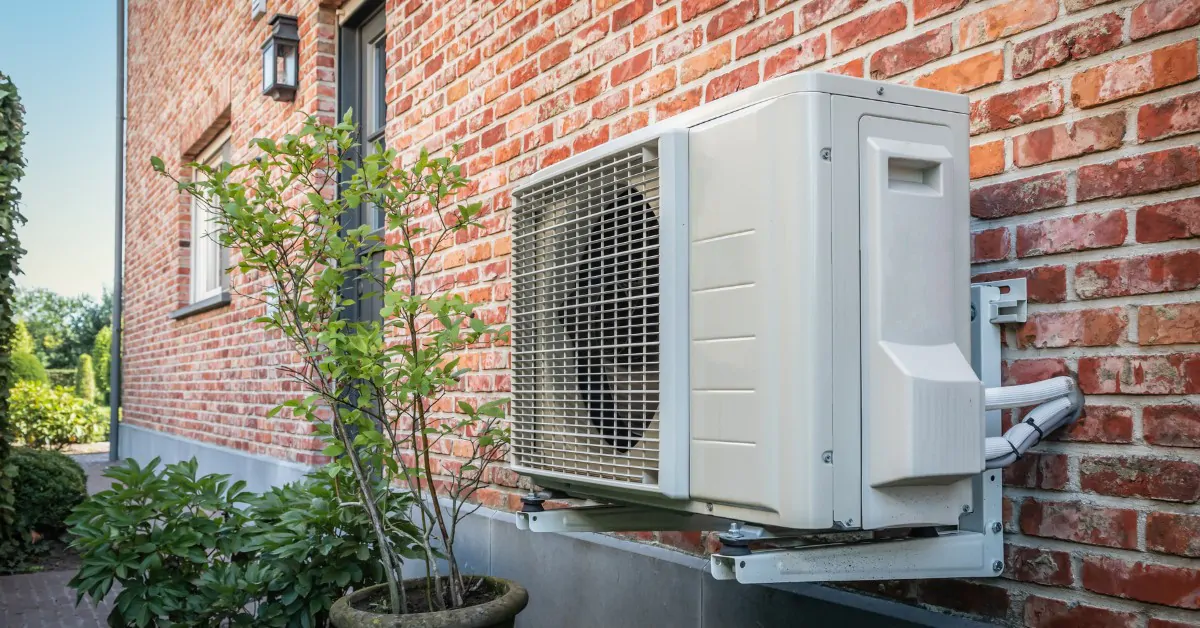
The heat pump will likely be one of the most studied solutions. ANAH notes that it remains funded under the Path by Measure, with a MaPrimeRénov’ flat rate complemented by energy savings certificates. (2)
But a heat pump is not suitable for every home. Several options can be examined:
- air-to-water or geothermal heat pump;
- connection to a renewable heating network;
- high-efficiency wood heating, when the project and regulations allow;
- solar solution for part of the domestic hot water.
The goal is not to replace equipment in a rush. A coherent system must be built, tailored to the home’s real needs.
What to Do If Your MaPrimeRénov’ File Is Almost Ready?
If your project still relies on a gas boiler, check the planned filing date right away. Do not confuse a signed estimate, scheduled work, and the aid application filed.
Before making any decision, follow these four steps:
- Ask your Renovation Coach to verify the eligibility of the scenario.
- Have the audit updated if heating replacement is required.
- Compare total costs, available aid, and ongoing operating expenses.
- Wait for ANAH’s approval before starting the relevant work.
Also beware of aggressive sales tactics. No professional can guarantee MaPrimeRénov’ before the official review of the file.
The reform can significantly change the remaining out-of-pocket amount. A project already balanced on paper can become impossible if it keeps gas. Conversely, a well-designed decarbonized solution can preserve the aid and reduce consumption over the long term.
Also read
- Gas, DPE, and MaPrimeRénov’: what could change by 2030
- Heat pump: how does it work?
- Heat pumps: incentives and financing in 2026
- https://www.service-public.gouv.fr/particuliers/actualites/A18332
- https://www.anah.gouv.fr/actualites/electrifions-la-france-et-ses-impacts-sur-l-amelioration-de-l-habitat-prive
- https://www.service-public.fr/particuliers/vosdroits/F35083