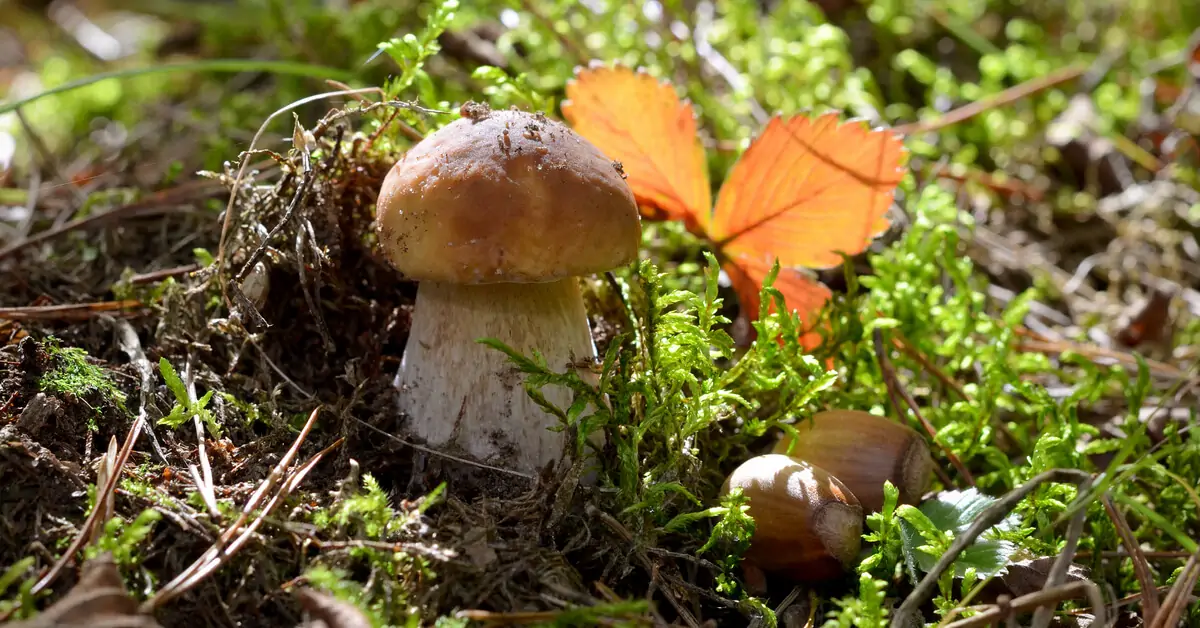
Going into the forest to hunt for mushrooms is a pleasant autumn activity that families can enjoy together—and it can pay off handsomely: who wouldn’t dream of a basket of porcini at the end of a stroll? However, mushroom foraging isn’t something you improvise. Here are ten tips for harvesting responsibly and avoiding poisoning.
How to pick mushrooms safely?
It’s important to follow a few basic guidelines to succeed in foraging without risk to your health and to preserve the species you harvest. That said, you should be prepared to come back empty-handed: mushroom foraging is unpredictable and you won’t win every time!
Getting ready before you go
- It’s important to properly prepare your mushroom foraging. Heading into the forest with no plan is unlikely to yield results. First, you need to know the most common species: bring a good field guide on mushrooms or download an app that catalogs them (use with caution, though).
- Furthermore, for beginners, it’s wise to be accompanied on your first mushroom outing. Ask a friend, someone who knows the area well, or your regional mycological society. They often offer outings open to amateurs and can introduce you to the best mushroom spots as well as harvesting techniques.
- Bring the right tools: a wicker basket will let you deposit your harvest gently. Above all, avoid plastic bags which can bruise or ferment mushrooms and make them unsafe!
- Choose the day wisely for your mushroom foray: ideal is a sunny day, two to three days after a period of rain. Don’t forget your boots and a rain jacket in case of a shower.
During the harvest: be responsible
- The rule is to avoid picking haphazardly. If you don’t know the species, leave it on the plant so you won’t have to discard it later. Similarly, steer clear of road edges or polluted areas, as mushrooms have a tendency to absorb pollution present in soils.
- If you spot edible mushrooms, pick them without pulling them out or cutting them flush with the ground: grasp the base of the mushroom stem and twist gently to harvest it whole. Refill the hole to prevent the mycelium from drying out. Some foragers trim the stem with a knife, but that can lead to rotting of the remaining part and contaminate the mycelium. This can slow or halt the growth of future mushrooms.
- Likewise, don’t harvest mushrooms that are too old: on the one hand, they may be inedible or even toxic; on the other hand, they release spores, which can spur the growth of more mushrooms nearby.
After foraging: verification required
- After your mushroom foraging, unless you’re accompanied by an expert, it is essential to have your harvest verified. You can visit a pharmacist, who is usually capable of spotting toxic mushrooms, or contact a verifier through your regional mycological association. Do not rely on online recognition apps—too many poisonings have been reported!
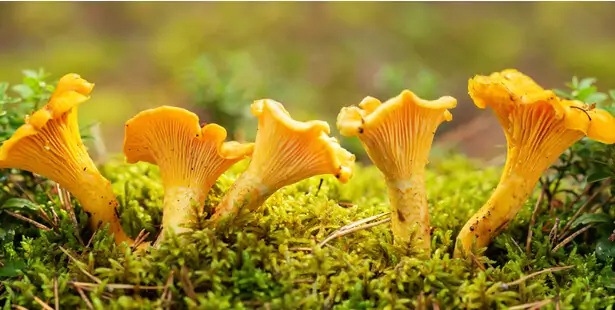
- Once you’re back home, don’t keep your mushrooms for too long—they can become toxic as they age. Enjoy them within 48 hours of harvest, or freeze them, dry them, or preserve them in canning.
- At the slightest sign of poisoning: nausea, vomiting, tremors, call your local poison control center or emergency services immediately.

A true field guide, with a laminated cover, to identify the 200 mushrooms every amateur should know.
Available on Cultura.com