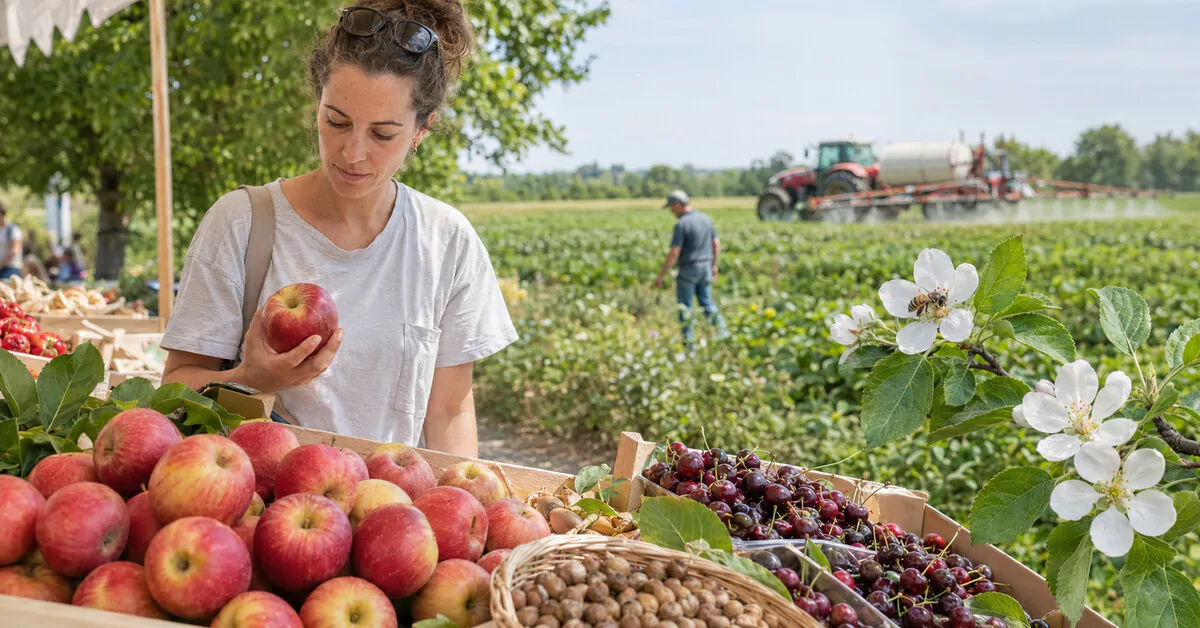
The rumored comeback of acetamiprid and flupyradifurone rekindles a particularly sensitive debate. Can we allow certain controversial pesticides to support crops in trouble? Or should we maintain their ban in the name of health and biodiversity?
Pesticides: Must We Choose Between Farming and the Environment?
The text adopted on July 16, 2026, in a joint parliamentary committee, lays out targeted exemptions for several agricultural sectors. Hazelnuts could thus benefit from acetamiprid. Flupyradifurone, for its part, could be used on sugar beets, apples, and cherries.
Proponents of these measures argue that certain French supply chains lack sufficiently effective solutions. Without exemptions, they risk losing competitiveness to imported products.
Conversely, opponents warn of a setback for the environment and an added risk to pollinators. They call for accelerating the search for alternatives rather than reintroducing controversial substances.
Between protecting harvests, food sovereignty, and biodiversity, the choice is divisive. And you, what do you think?