
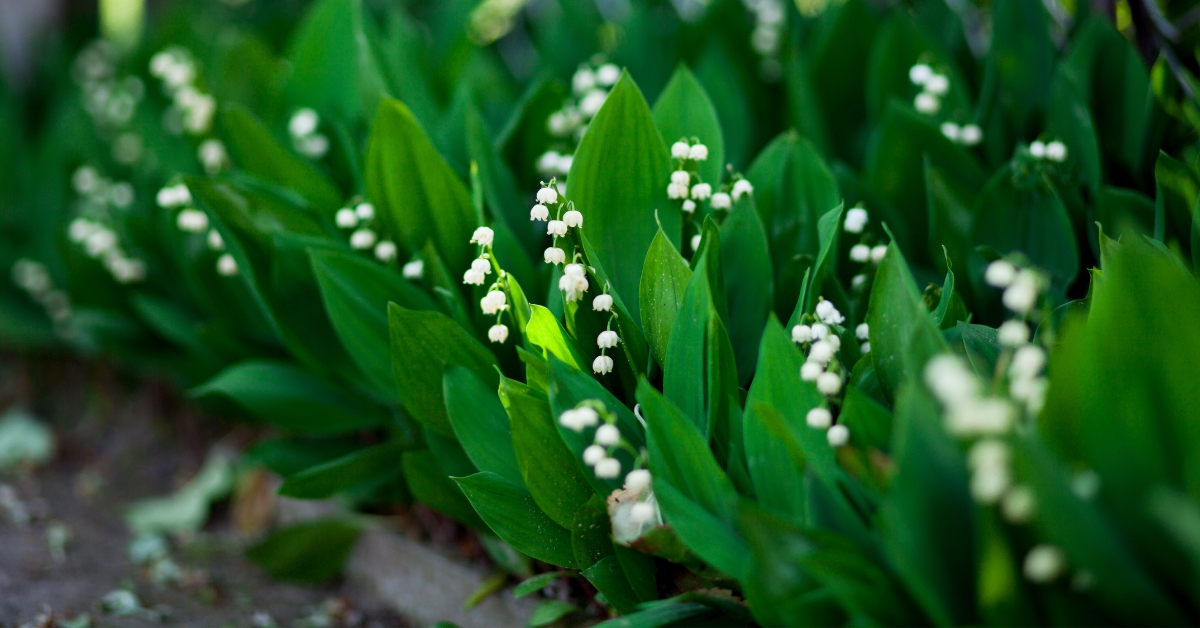
The tradition of giving lily of the valley on May Day dates back to the 16th century in France. According to legend, King Charles IX reportedly received a sprig of lily of the valley as a lucky charm and decided to give one each year to the ladies of the court on that same date. In 1941, May 1st was chosen to celebrate Labor Day, at which time only lily of the valley sales were allowed without special authorization. Since then, lily of the valley, also become a symbol of Labor Day, is offered in France and in other countries as a sign of solidarity and appreciation for workers. Lily of the valley, which is given in stems, in small bouquets, or in pots, is, however, most often considered a gift carrying luck and happiness to celebrate spring! To keep it going, why not replant it in the garden?
When and how to plant lily of the valley?
Where to plant lily of the valley in my garden?
Before planting your lily of the valley, it’s important to find the right spot in your garden. Lily of the valley prefers a cool, moist, but well-drained soil. It grows well in shade or partial shade, but avoid areas where the soil is too dry and where direct sunlight shines.
Prepare the soil
Soil preparation is important for the growth of lily of the valley. Lily of the valley favors acid soil, so if your soil is too alkaline, we recommend adding sulfur to acidify it. You can also add compost to enrich the soil with nutrients.
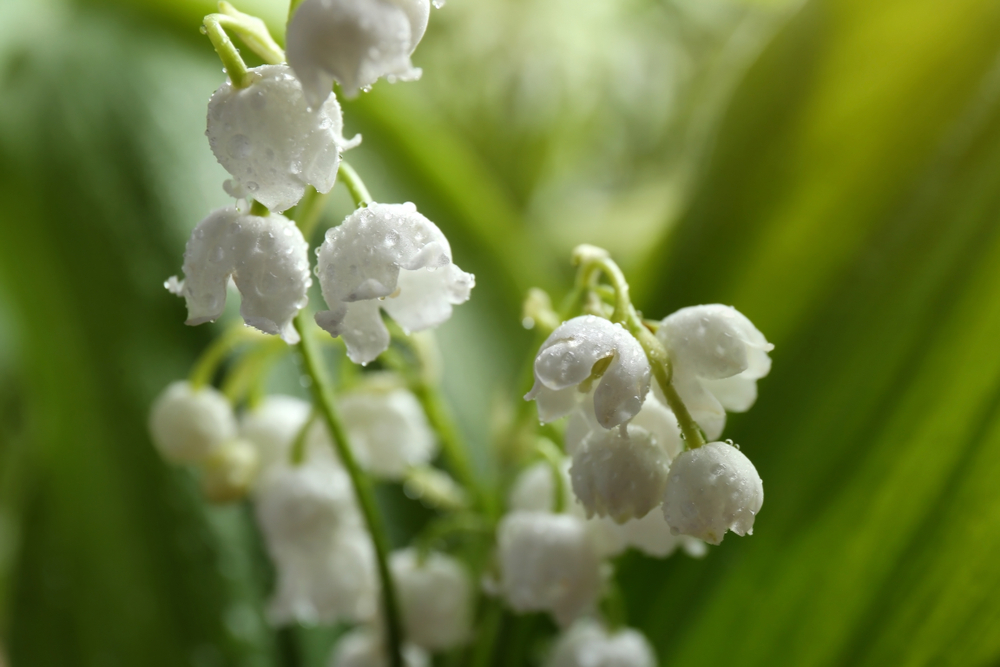
The ideal time to plant lily of the valley is early spring or fall. If you bought potted lily of the valley stems for May Day, you can replant them in your garden the same day. Dig a hole for each lily plant you want to transplant, making sure it’s deep enough to accommodate the roots. Place the lily stem in the hole and backfill with soil. Water thoroughly.
Maintaining lily of the valley is easy!
Lily of the valley requires little maintenance once planted. It should, however, be watered regularly, especially in summer when the weather is hot and dry. Keep the soil moist, but not soggy. You can also add a layer of mulch to retain soil moisture.
Lily of the valley spreads easily and can quickly become invasive. To prevent this, you can divide the clumps every 3 to 4 years. Dig around the clumps, being careful not to damage the roots, and replant them in a new spot in your garden.
How to cut lily of the valley so it regrows next year?
If you want your lily of the valley to keep growing and blooming each year, it’s important to cut it correctly. When picking lily of the valley, it’s best not to cut all the stems at the base, but rather to leave a few green and healthy leaves above the soil. This way, the plant will be able to continue photosynthesis for its growth.
It’s also important not to pick too much lily of the valley at once, as this can weaken the plant and make it less likely to bloom the following year. Finally, make sure not to damage the lily of the valley rhizomes (roots) when cutting the stems. Use scissors or a sharp knife to gently harvest the lily stems, being careful not to injure the base of the plant.
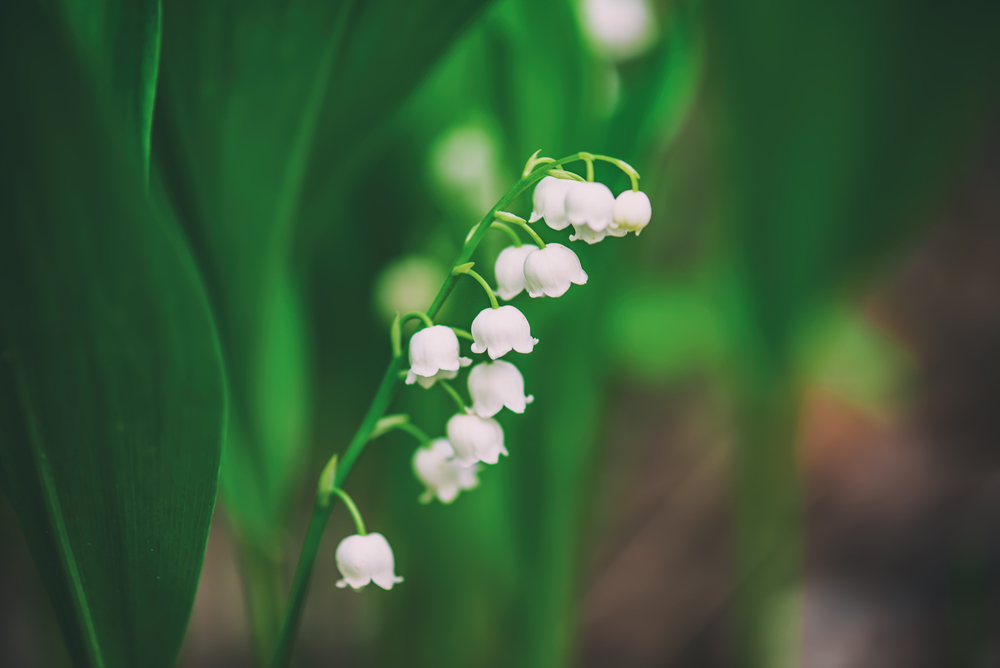
Note: Although lily of the valley is a lovely and popular plant, it is toxic to humans and animals. All parts of the plant, including the flowers, leaves, and berries, contain cardiac glycosides that can cause heart irregularities, nausea, vomiting, and headaches if ingested. It is therefore important to keep lily of the valley out of reach of children and pets, and to wash your hands after handling the plant. If ingested, contact a doctor or poison control center immediately.

Ethan Hartwell
I break down everyday products to understand what they truly contain and what they imply. My goal is simple: make information clear and useful so people can make more responsible choices without complexity or unnecessary noise.