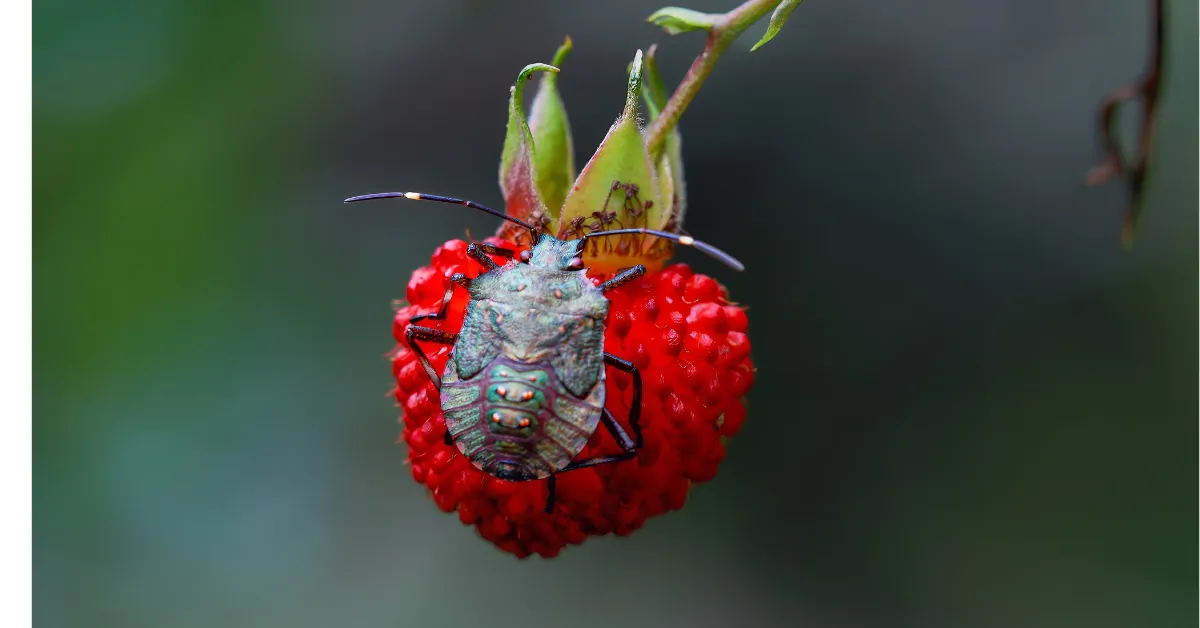
Encouraging predatory bugs in the garden means giving biodiversity a place to thrive while helping your crops resist pests. Some hunt aphids, thrips, or small caterpillars. Others target mites and whiteflies, those tiny whiteflies that colonize leaves.
However, not all bugs play the same role. Here’s how to identify these garden auxiliaries and provide them with a welcoming garden, without confusing allies and pests.
Qu’est-ce qui suit
- Which predatory bugs are useful in the garden?
- What do predatory bugs eat?
- How to attract them to the vegetable garden and orchard?
- What refuges to keep in autumn?
- Frequently asked questions
Which predatory bugs are useful in the garden?
The word “punaise” (bug) refers to insects with very different lifecycles. Some species are phytophagous: they feed on plants. Others are predatory and capture small animals.
Predatory bugs are among the beneficial organisms used in biological control. Several families include them, notably the Anthocoridae, Miridae, and Nabidae.
Color alone isn’t enough to identify a useful bug. Some predatory species are green, while brown species can also feed on plants. The silhouette, size, and behavior provide clues, but identification sometimes requires a close-up photograph.
The clouded and diabolical bugs should not be lumped in with these little hunters. The diabolical bug can, in particular, damage fruits and vegetables.
What do predatory bugs eat in the garden?
Among predatory species, the mobile juvenile stages, often called larvae or nymphs, and adults can hunt. Eggs, by contrast, do not feed.
These insects use a piercing-sucking rostrum to extract the contents of their prey. Many are generalists: their menu varies by species and available prey.
Their effectiveness also depends on temperature, their abundance, and garden conditions. There is no universal daily consumption target for aphids or mites.
The Anthocorids: small hunters, including Orius
The Anthocoridae include genera Anthocoris and Orius. Orius are indeed part of this family: they are not outsiders.
Usually only a few millimeters long, these bugs frequent flowers, leaves, trees, and shrubs. Depending on the species, they eat thrips, aphids, psyllids, mites, or insect eggs.
Psyllids are tiny piercing-sucking insects that can be problematic in orchards. Some Anthocoris species help regulate them.
The Mirids: auxiliaries to identify by species
The Miridae family includes pests, but also useful predators. It would therefore be misleading to label all its representatives as auxiliaries, or to judge them broadly as ineffective.
For example, Macrolophus pygmaeus is used in biological control against crop pests, notably greenhouse whiteflies. Other Mirids eat aphids, mites, or psyllids.
Some species, however, have a mixed diet and also take sap. In cases of high population pressure or a lack of prey, these feedings can cause damage.
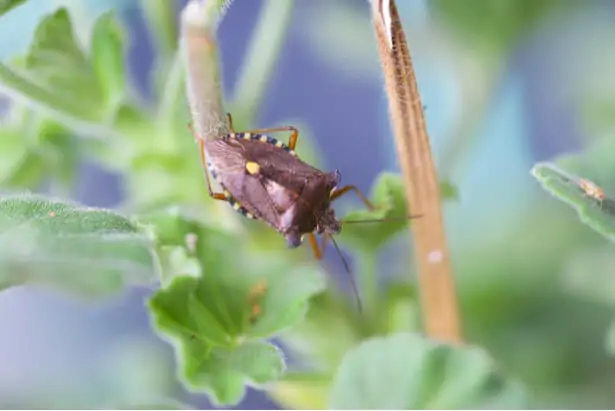
The Nabids: generalist predators in vegetation
Nabids, especially the genus Nabis, typically have elongated bodies. Their front legs help them grasp their prey.
These hunters frequent herbaceous vegetation. They consume various small insects, including aphids. They are not exclusively ground-dwellers, nor are they all specialized on a single prey.
How to attract predatory bugs to the garden?
An auxiliary insect will establish itself long-term only if it finds food, a place to reproduce, and shelter. The challenge is to create a favorable environment, rather than waiting for an immediate pest reduction.
Limit treatments and observe before acting
Pesticides can affect pests as well as their natural enemies. Avoid blanket sprays, especially when you already see auxiliaries on the plants.
Home-made preparations require caution as well. Black soap, decoctions, and manures used in the garden do not have the same uses or effects. Their natural origin does not guarantee their safety.
Before intervening, identify the pest and assess the damage. A few aphids on a healthy plant do not necessarily justify treatment.
Install flowering strips and keep spontaneous herbs
A diversified plant border provides supports, food resources, and prey for auxiliaries. Place it near the vegetable garden, without letting competing plants smother your vegetables.
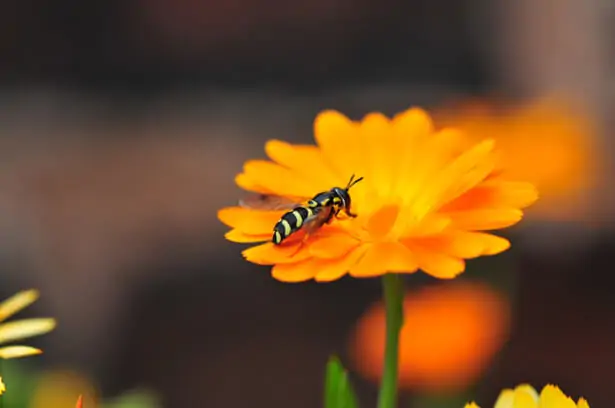
Calendulas can host certain Miridae, such as Macrolophus. Cornflowers are attractive to Anthocorids. Geraniums and erodiums can also serve as host plants for some species.
No single plant guarantees their establishment on its own. Choose several species suited to your soil and climate. Stagger blooming and keep a small area lightly unmowed.
Plant a diversified hedge near the orchard
A hedgerow provides shelter and resources at different times of the year. Some predatory bugs find prey there when those prey are still scarce in the crops.
Hazel, black elder, or the Judas tree can contribute to this function. The benefit, however, depends on the chosen species, the auxiliaries present, and the pests in the orchard.
Tailor your hedge to the space available and local conditions. A diversified composition is more valuable than a uniform planting designed around a single species.
In autumn, keep refuges while not inviting bugs into the house
At the end of the season, avoid cleaning every corner of the garden. Fallen leaves, bark, and preserved vegetation areas can provide winter refuges for various bugs.
Keep these small habitats away from thresholds and windows. Welcoming biodiversity to the garden remains compatible with protecting your home.
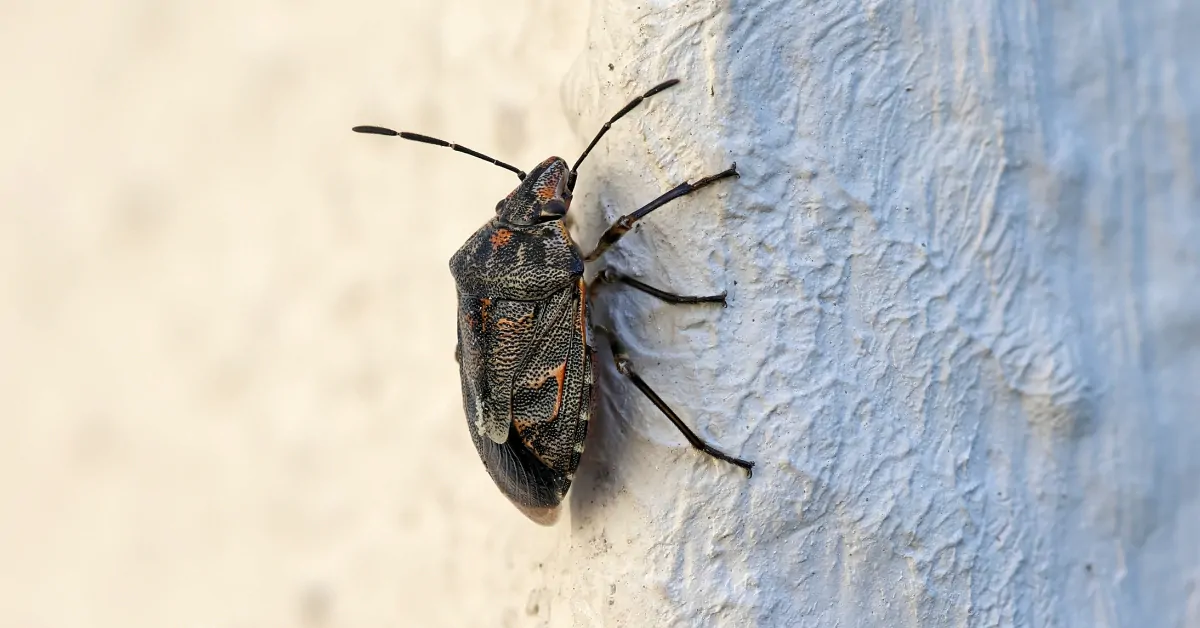
Some species do seek shelter in buildings when temperatures drop. Learn why predatory bugs enter houses in autumn.
To limit intrusions, opt for screens and fix gaps. Our guide explains how to block the arrival of bugs at the doors of the house. Never seal vents necessary for ventilation.
Predatory bugs: Frequently asked questions
Should you buy auxiliary bugs for your garden?
In a family garden, start by favoring species already present. Releases of auxiliaries are best suited to specific situations, especially under glass.
The choice depends on the pest, the crop, and the development conditions. Seek advice before purchasing: a species effective in a greenhouse may not establish well outdoors.
Do all green bugs damage plants?
No. Some green species are phytophagous, while others can be predatory or have a mixed diet. Identify the insect before deciding to intervene.
Are garden bugs bed bugs?
No. Bed bugs feed on blood and require specific treatment. The auxiliaries described here live in vegetation. To understand this difference, see our article on bed bugs and how to get rid of them.
In the garden, the right approach remains simple: observe, identify, and preserve the allies present. You’ll help natural regulations operate through the seasons.
What to remember
- Some bugs regulate pests, while others feed on crops.
- Anthocorids, certain Mirids, and Nabids are among the interesting auxiliaries.
- Diverse vegetation, flowering strips, and refuges encourage their presence.
- Avoid systematic treatments: a homemade preparation isn’t necessarily harmless to helpful insects.
How to deter wood-boring bugs from the house without killing them