
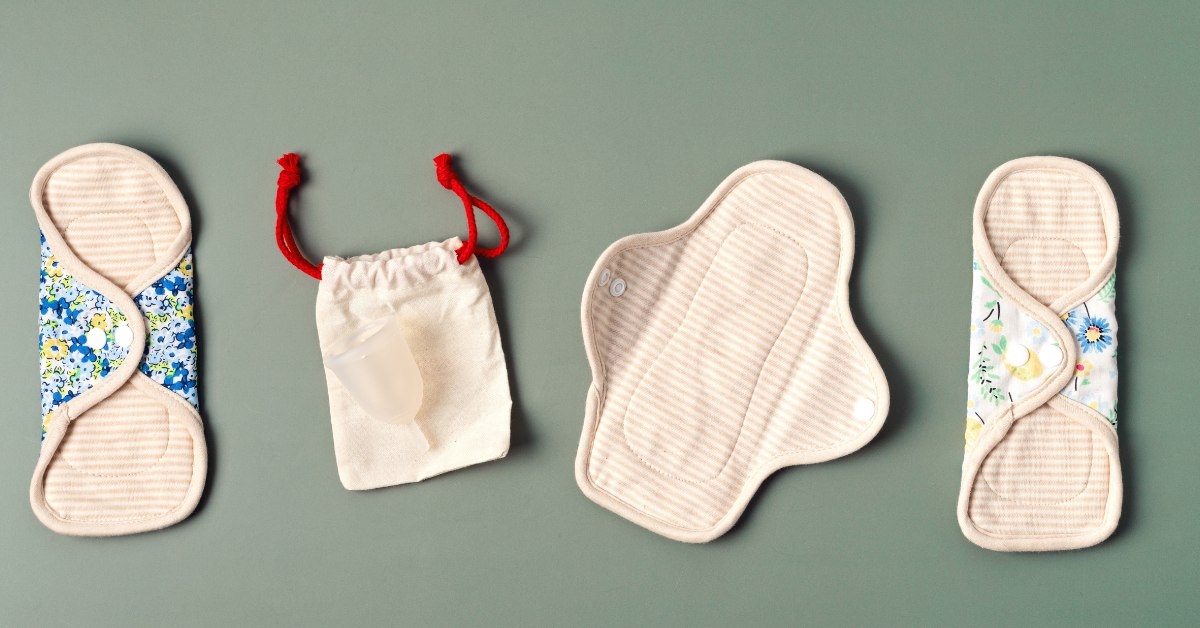
This historic measure, 60% covered by the national health system, aims to fight period poverty while encouraging more environmentally friendly practices.
Reusable period products: a healthcare and social revolution within reach
After three years of delays and unmet government promises, reusable period protections will finally receive reimbursement from health insurance starting in the 2026 academic year. This historic measure, announced jointly on April 16, 2026 by the Health Ministry and the Ministry for Equality Between Women and Men, marks a milestone in the fight against period poverty, which affects nearly one in three women in France.
The system, formalized by Decree No. 2026-288 published in the Official Journal on April 18, 2026, specifically targets women under 26 as well as beneficiaries of Solidarity Health Coverage, regardless of age. This dual approach aims to protect simultaneously the most economically exposed populations: young women in education and people facing social precarity.
A targeted reimbursement scope for durable products
Eligible reusable period protections cover four main categories of devices. Washable sanitary napkins, primarily made from organic cotton, constitute the first category of products eligible for reimbursement. These durable alternatives can be used for several years with proper care, drastically reducing environmental impact compared with disposable protections.
Menstrual cups, silicone medical-grade devices designed to collect the menstrual flow, represent the second reimbursed category. Their exceptionally long lifespan, potentially spanning up to ten years of use, makes them a particularly advantageous long-term investment. Menstrual underwear, incorporating absorbent zones directly into the undergarment, round out this innovative offering.
Finally, menstrual discs, cousins of cups but with a distinct design, are also among the covered devices. All of these products must be sold in pharmacies to qualify for reimbursement, ensuring proper pharmaceutical guidance and optimal health traceability. This measure aligns with ongoing efforts to improve access to menstrual protections, as illustrated by the new composition obligations for period products.
Substantial but partial support
The reimbursement rate set at 60% by the health insurance leaves 40% to be borne by the insured, a split that can nevertheless be optimized through supplementary health plans. Under the Solidarity and Responsible Health Plan, this remaining portion can be fully covered, effectively offering complete free coverage for beneficiaries of solidary health coverage. This financial arrangement represents a significant public investment, touching nearly 6.7 million people who could potentially qualify. For students, whose average monthly budget for period protections ranges from $5 to $8, this coverage amounts to a substantial relief over the course of an academic year.
Manufacturers are currently advocating for a reference price set at 23 euros per product, a level slightly below the average prices charged in major retailers. This pricing alignment, to be specified by ministerial order within three months following the decree’s publication, will condition the overall economic balance of the program.
Toward an environmental revolution in feminine hygiene
Beyond its social implications, this measure carries a major environmental mission by encouraging the shift away from disposable protections. A woman uses an average of 11,000 period products over her reproductive lifetime, generating approximately 5.5 kg of non-recyclable waste. The widespread adoption of reusable alternatives could reduce an individual’s ecological footprint by about 20x.
Washable cotton pads, for instance, do require water for upkeep, but their overall carbon footprint remains substantially more favorable than conventional protections. This transition aligns perfectly with public environmental goals focused on reducing plastic waste.
The collective impact could be substantial if the program gains the expected traction. With 6.7 million potential beneficiaries, the annual reduction in menstrual waste could reach several thousand tons, making a meaningful contribution to protecting ecosystems and fighting plastic pollution.
Free period protections: check your eligibility
Despite its groundbreaking nature, the measure has drawn criticism for some limitations. The Student Union specifically condemns the age restriction under 26, arguing that it effectively excludes many low-income women who are beyond that threshold. This ceiling raises questions about the universality of access to menstrual care.
The restriction to beneficiaries of Solidarity Health Coverage also raises concerns, leaving out impoverished individuals who do not qualify. According to advocacy groups, nearly 2 million women experiencing menstrual precarity will not be able to access the program because of these criteria. This issue echoes concerns raised in our previous articles about free menstrual protections for students.
Furthermore, the limit of two reimbursed products per year, calculated on a rolling-year basis, may be insufficient for some users. This administrative constraint requires pharmacists to track rights carefully, complicating day-to-day dispensing.
An example for other European countries to follow?
The exclusivity granted to community pharmacies until December 31, 2028 creates a temporary commercial opportunity for these health professionals while ensuring expert support for users. Beyond this cutoff, expanding distribution channels could further democratize access to these products.
Training for healthcare professionals appears crucial to maximizing the impact of this measure. Pharmacists will need to acquire specialized expertise on these devices to advise patients effectively and to encourage the adoption of durable alternatives.
This French initiative could also set a precedent at the European level, with several countries watching the results of this experiment closely. The European Union is currently studying similar proposals, positioning France as a trailblazer on this emerging health and social issue.