

Every day, as we traverse urban landscapes, we often forget what matters most: nature is all around us, and it plays a key role in our balance. It nourishes us, soothes us, and directly influences our physical and mental health.
Yet, in a daily life paced by screens and constraints, this connection drifts apart. The good news: it’s possible to rediscover it without leaving the city or upending your lifestyle.
Getting Outdoors More: An Underestimated Health Habit
In the era of smartphones and streaming, we spend more and more time indoors. And this sedentary lifestyle has real consequences: lower mood, increased fatigue, sleep problems.
Spending time outdoors, even a few minutes each day, significantly improves well-being. Exposure to natural light helps regulate the biological clock, while contact with nature reduces stress and anxiety.
Green Mobility: Move Differently
Prioritizing walking or cycling for everyday trips helps you reconnect with your surroundings while taking care of your health.
Beyond the ecological aspect, these modes of transportation offer a rediscovery of daily life: a park you’ve been overlooking, a tree-lined street, the sound of birds… countless micro-experiences that are often invisible from a car.
Grow Your Own, Even in the City
Whether you have a garden or a simple balcony, starting a vegetable garden is a great way to reconnect with natural cycles.
Planting, watering, harvesting: these simple acts recreate a tangible connection with the earth. Even a few herbs are enough to feel that sense of satisfaction.
Exploring Nature Oases in the City
Even in big cities, nature finds its place. Parks, community gardens, greened vacant lots, or even some cemeteries are precious refuges.
These spaces allow you to slow down, breathe, and observe. They play a crucial role in urban quality of life and biodiversity.
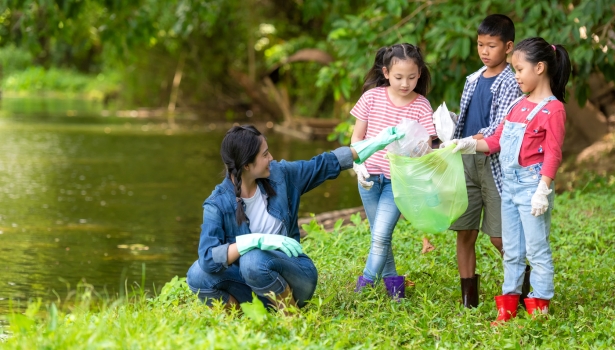
A Simple Habit: Pick Up One Litter Item Each Day
Adopting the habit of picking up a litter item during walks turns a simple stroll into a meaningful action.
The plogging, born in Sweden, combines jogging and litter collection. A concrete way to act for the environment while staying active.
Composting to Close the Loop
Composting is a powerful lever for reducing waste. It helps valorize organic scraps and naturally enrich the soil.

In cities, more and more solutions exist: communal composters, vermicomposters or shared bins.
Toward a Simpler, More Sustainable Lifestyle
Reducing waste also means making more thoughtful consumption choices: prioritize quality, repair rather than throw away, avoid the superfluous.
Every item reused or repaired is a resource preserved. It’s these repeated acts that build a sustainable way of life.