
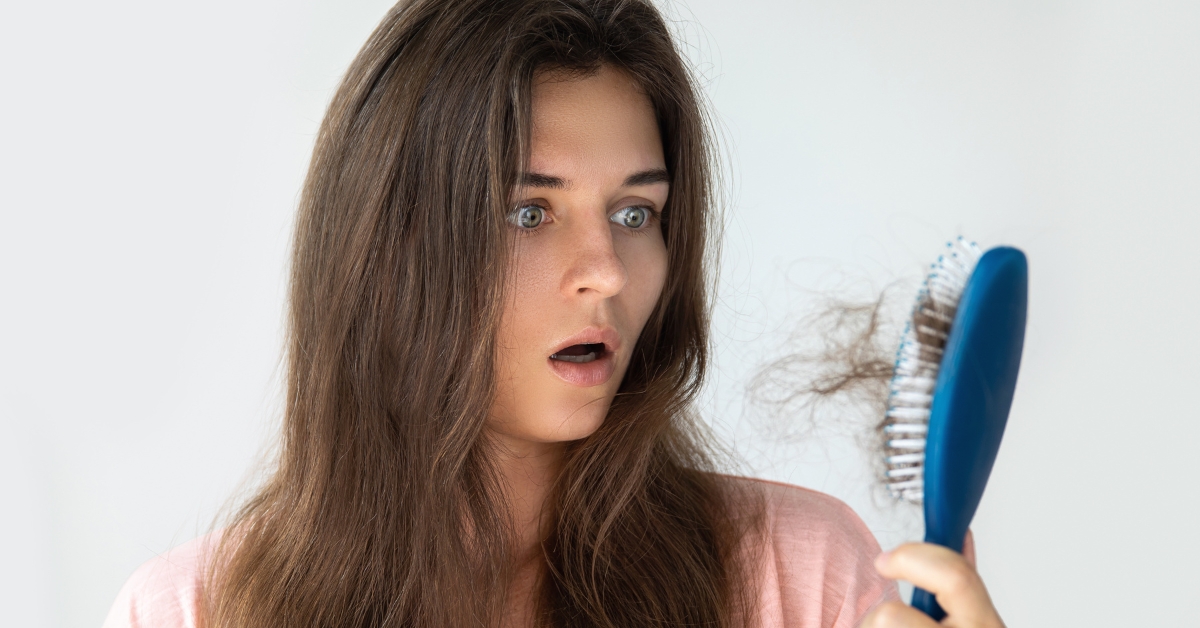
To prevent spring hair shedding, a phenomenon often observed due to seasonal changes, hormonal fluctuations, or nutritional gaps, there are several strategies to incorporate into your daily routine.
Seasonal hair shedding, particularly in spring, is a fairly common phenomenon. This time of year can lead to an increase in hair loss, linked to climatic and hormonal changes or nutritional deficiencies. Good news: this shedding is usually temporary—provided you adopt the right habits.
Why do we lose more hair in spring?
Like animals that molt, our bodies follow biological cycles influenced by light and the seasons. In spring, the shedding phase (telogen) can intensify. Added to this are:
- fatigue accumulated over winter,
- vitamin deficiencies (notably D and B),
- stress or hormonal changes.
Nutrients, water, and gentleness!
A balanced diet is essential: vitamins (A, B, C, D, E), minerals (iron, zinc, magnesium) and proteins are indispensable for hair health. Consider plenty of fruits, vegetables, legumes, nuts, and whole grains.
Drinking enough water is just as important. Proper hydration helps keep hair supple and resilient.
Homemade recipe: fortifying anti-shed serum
To stimulate growth and slow shedding, here is a simple natural care routine you can make at home:
- 1 tablespoon castor oil
- 1 tablespoon coconut oil
- 5 drops rosemary essential oil (optional)
Mix the ingredients, then apply to the scalp while massaging gently. Leave on for 30 minutes to 1 hour before washing. Do this 1–2 times per week.
Regular scalp massage
A daily massage of a few minutes stimulates blood circulation and promotes hair growth. It also helps improve the absorption of treatments like castor oil.
The massage also helps to eliminate toxins and cleanse the scalp, creating a favorable environment for growth.
Hair shedding: time to unwind!
Stress is a major aggravating factor. Practices like yoga or meditation can help limit shedding linked to tension.
Proper hair care
Opt for gentle, sulfate-free shampoos, limit heat-styling devices, and avoid harsh coloring. If you have a deficiency, supplements like biotin, zinc, or vitamin D can be helpful (after medical advice).
Stop mistreating your hair

Avoid hairstyles that are too tight (ponytails, braids), which stress the hair shaft and promote shedding.
When should you worry?
Seasonal shedding typically lasts between 4 and 8 weeks. If it lasts longer, or if shedding is heavy and persistent, consider seeing a healthcare professional to check for an underlying cause (severe deficiency, hormonal disorder…).
Spring hair loss is often temporary, but it deserves your attention. By adopting a gentle routine, an appropriate diet, and some natural care, you can quickly regain stronger, more resilient hair.

